
 Μake us preferred on Google
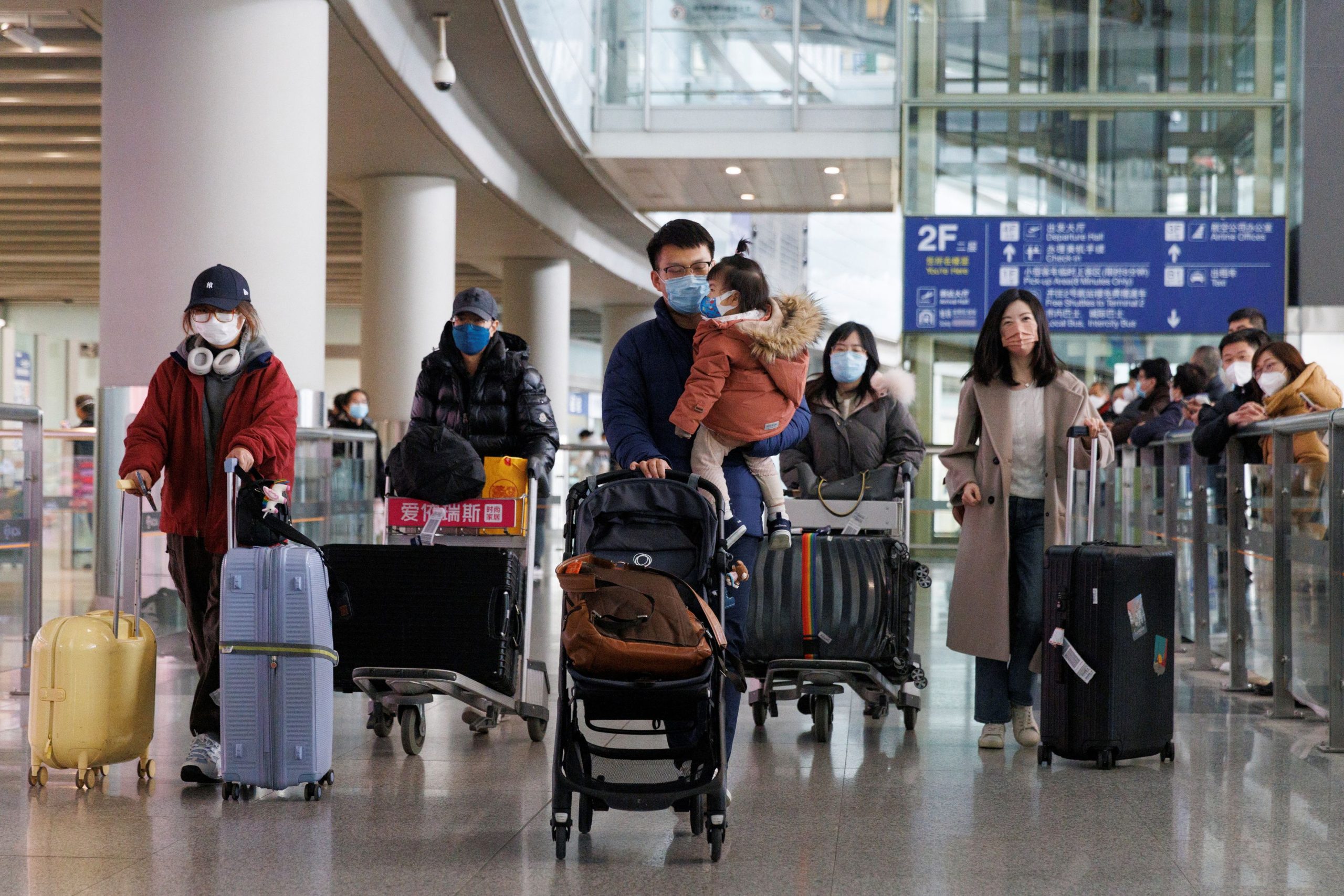
 Chinese customs officials have screened 600 million inbound travelers at international ports over the past five years for infectious diseases, detecting more than 180,000 cases, authorities said on Monday. The measures reflect Beijing’s continued commitment to stringent disease prevention protocols developed during the zero-COVID era.
Deputy Director General Zhao Zenglian told a news conference that 300 million vehicles and vessels were also screened, and 5.25 million disease vectors intercepted, preventing the entry of over 30 types of vector-borne illnesses. Zhao did not specify all the diseases under surveillance, though China has previously highlighted the risks of imported mosquito-borne viruses such as chikungunya and Mpox, a viral infection with flu-like symptoms and skin lesions.
“Quarantine defenses at ports of entry have become more robust,” Zhao said. “Health and disease control departments have coordinated to build a ‘closed-loop’ management system: from overseas, to the border, and then to the home.”
China’s zero-COVID measures, in effect from early 2020 until December 2022, had effectively sealed the country off from international travel. Incoming travelers were subjected to swab testing, quarantine in designated facilities, and further isolation in a controlled system before returning home.
Despite the easing of many pandemic restrictions, Australia and Britain continue to warn travelers about possible medical checks upon entering China. Authorities are balancing ongoing disease controls with efforts to revive tourism and attract foreign investment to support the recovering economy.