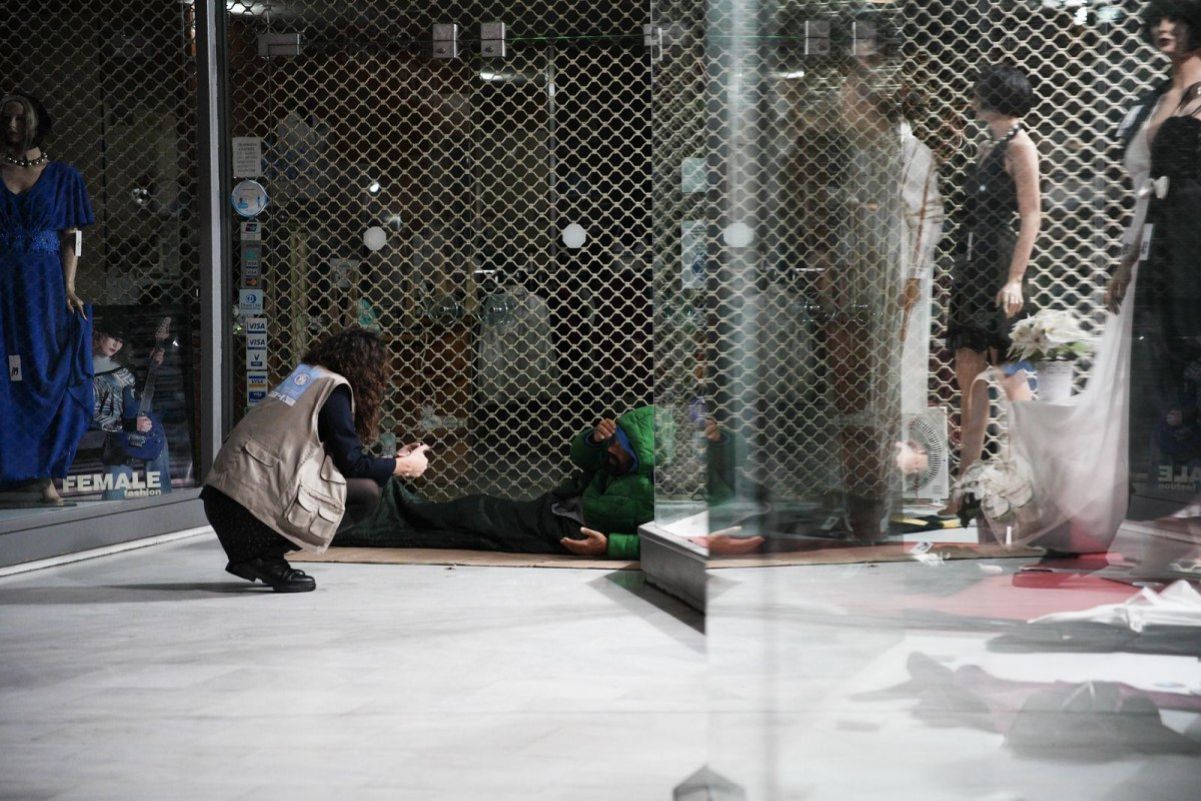
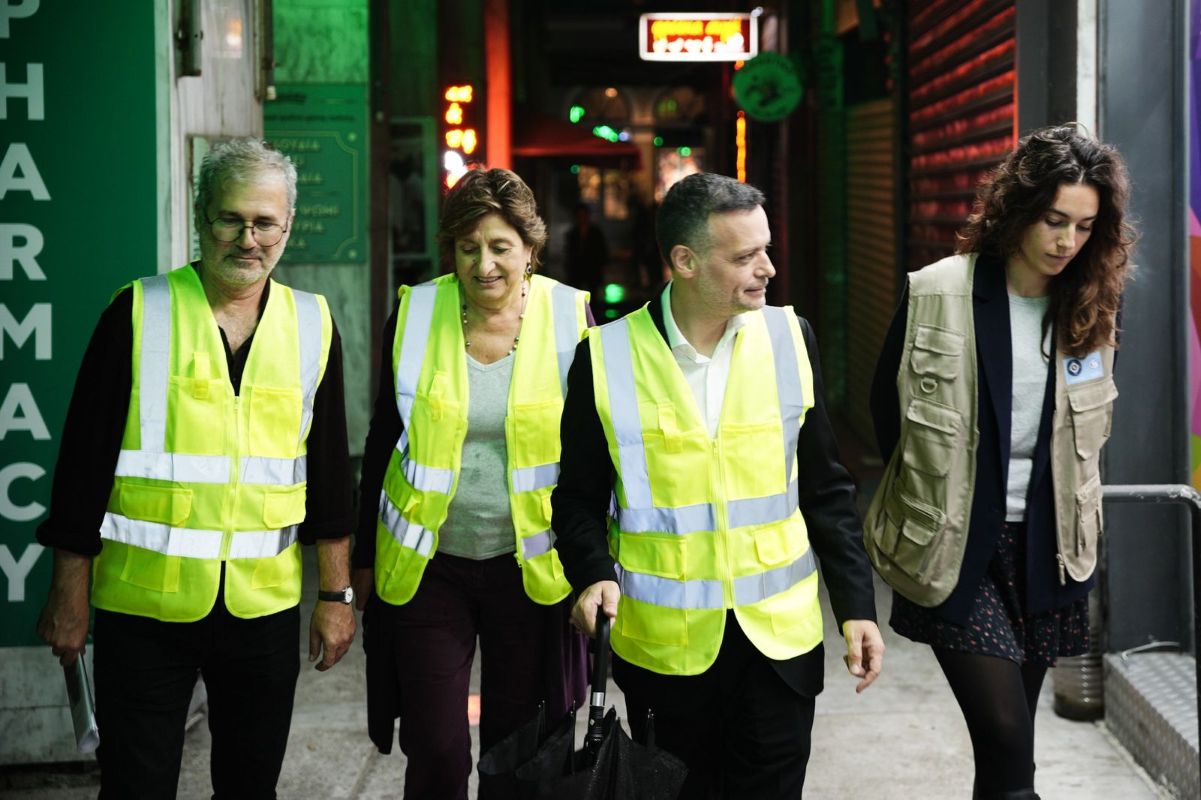
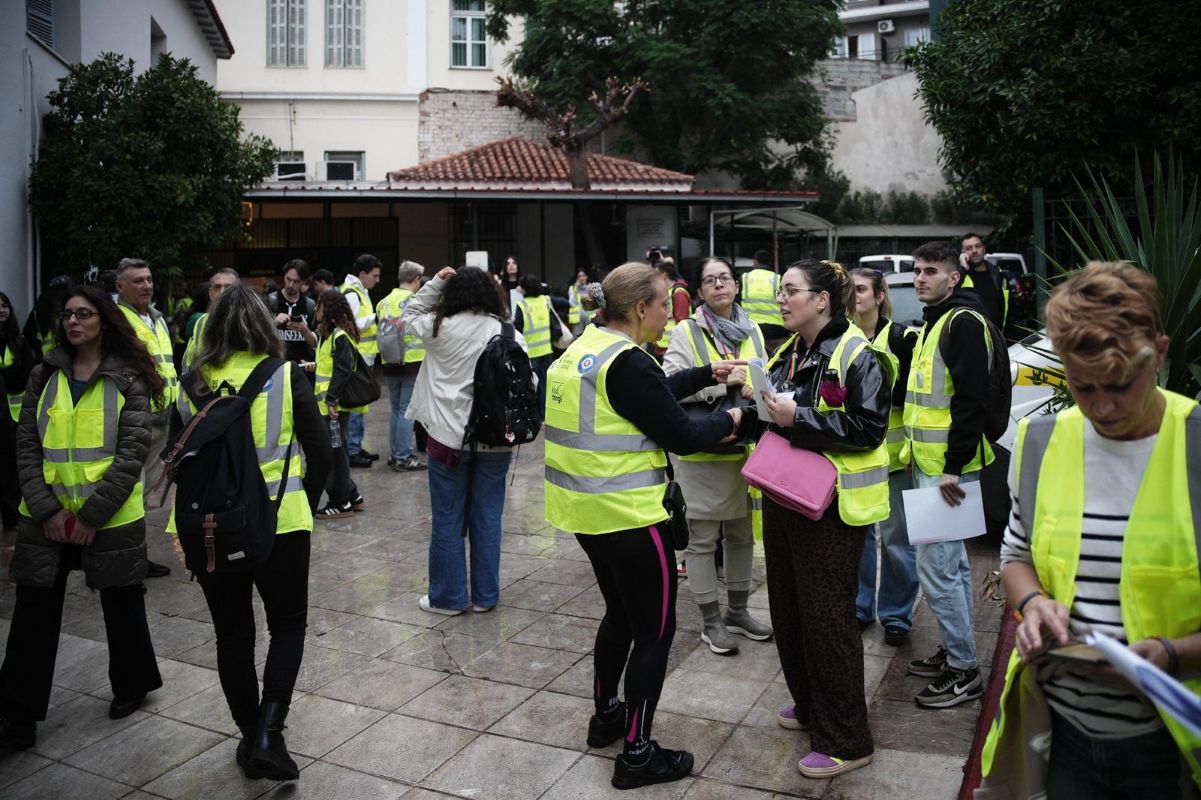
On Monday night, October 20, Athens conducted its first census of the homeless in seven years, in collaboration with Panteion University. The survey aimed to capture, in a single moment, the complex and shifting reality of life on the streets. At 7:30 p.m. sharp, social workers and volunteers spread across the city’s neighborhoods, marking where each person without shelter could be found—offering a snapshot of homelessness in the capital.
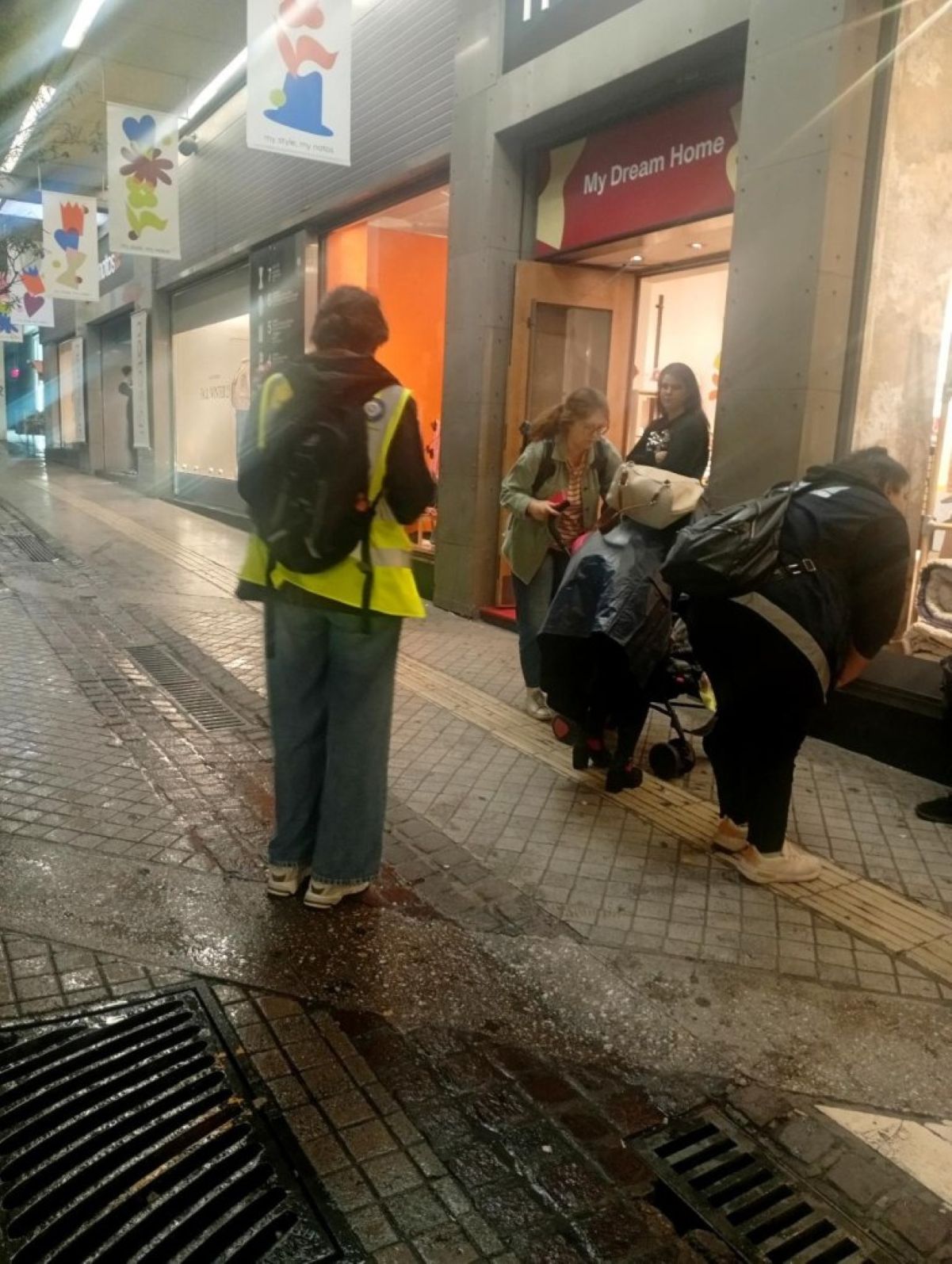
This large-scale initiative, part of a European program funded by the EU and developed by Belgium’s University of Leuven, took place simultaneously in 35 cities across the continent. Athens Mayor Haris Doukas joined dozens of volunteers from the city’s registry of active citizens who regularly participate in social initiatives.
Rising Numbers, Shifting Causes
Preliminary impressions suggest a rise in homelessness since the last count in 2018, when 700 people were recorded. Social services now estimate the number may exceed 1,000, driven largely by an increase in drug addiction and the lack of stable housing for those with long-term dependencies. At the city’s Polydynamic Homeless Center, 200 people currently find shelter—many elderly, sick, or unable to reintegrate into society.
Women’s Hidden Homelessness
While most visible homeless individuals are men, social workers note that women often experience what they call “hidden homelessness.” Few sleep on the streets alone. Many find temporary refuge in precarious and exploitative arrangements, trading their safety and dignity for a place to stay. Their absence from public spaces conceals a deeper social issue that remains largely uncounted.
Barriers to Shelter
For those who do seek official accommodation, bureaucracy often stands in the way. Admission to municipal shelters requires a series of medical and psychiatric checks to ensure safety and compatibility with other residents.
Such prerequisites, introduced by ministerial decree in 2016, can leave people stranded outdoors overnight. City officials have requested permission to adopt a “Safe Haven” model, allowing immediate entry to anyone who is unarmed and substance-free—a system used widely across Europe.
When Shelters Become Substitutes
Athens’s facilities are overstretched and often serve as substitutes for non-existent state institutions. Without adequate nursing or psychiatric support, transitional shelters have become long-term refuges for the elderly and chronically ill.
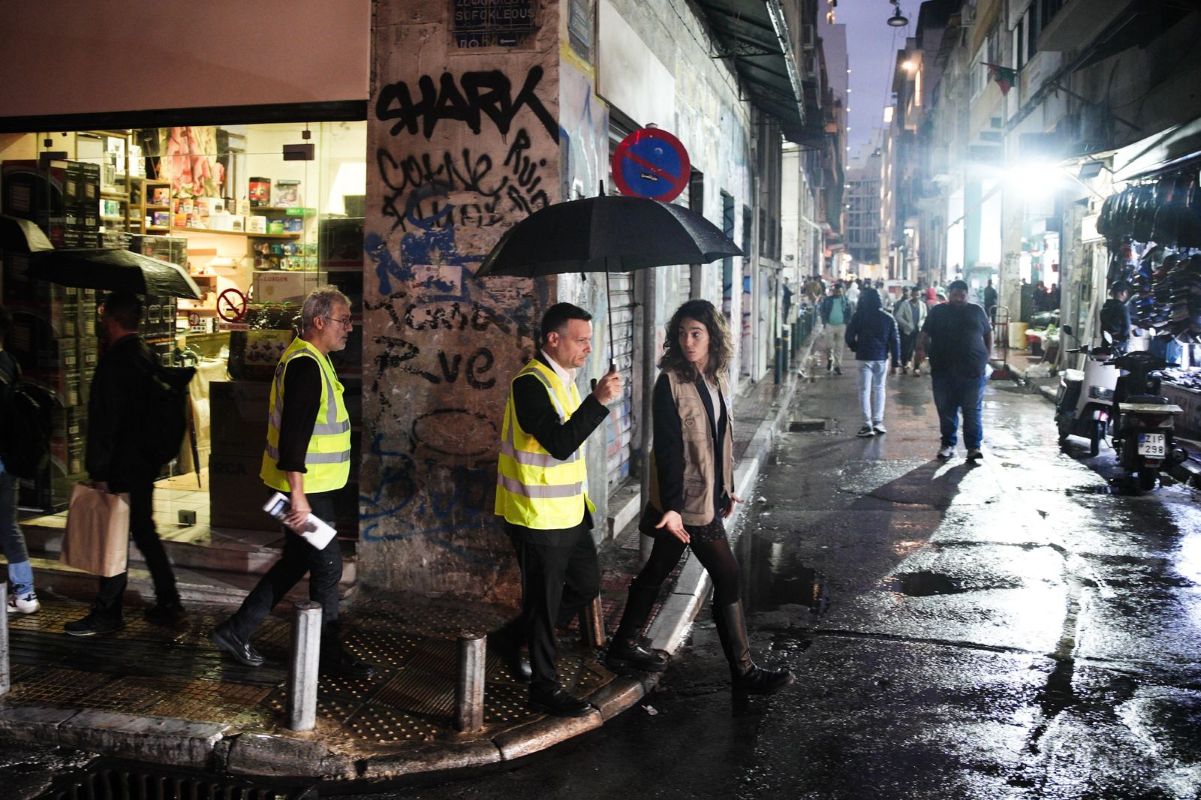
As social workers canvassed central streets like Aiolou, Stadiou, and Panepistimiou, they were reminded that homelessness in Athens extends far beyond what can be seen—into arcades, suburbs, and forgotten corners of the city where survival itself becomes an invisible act.