
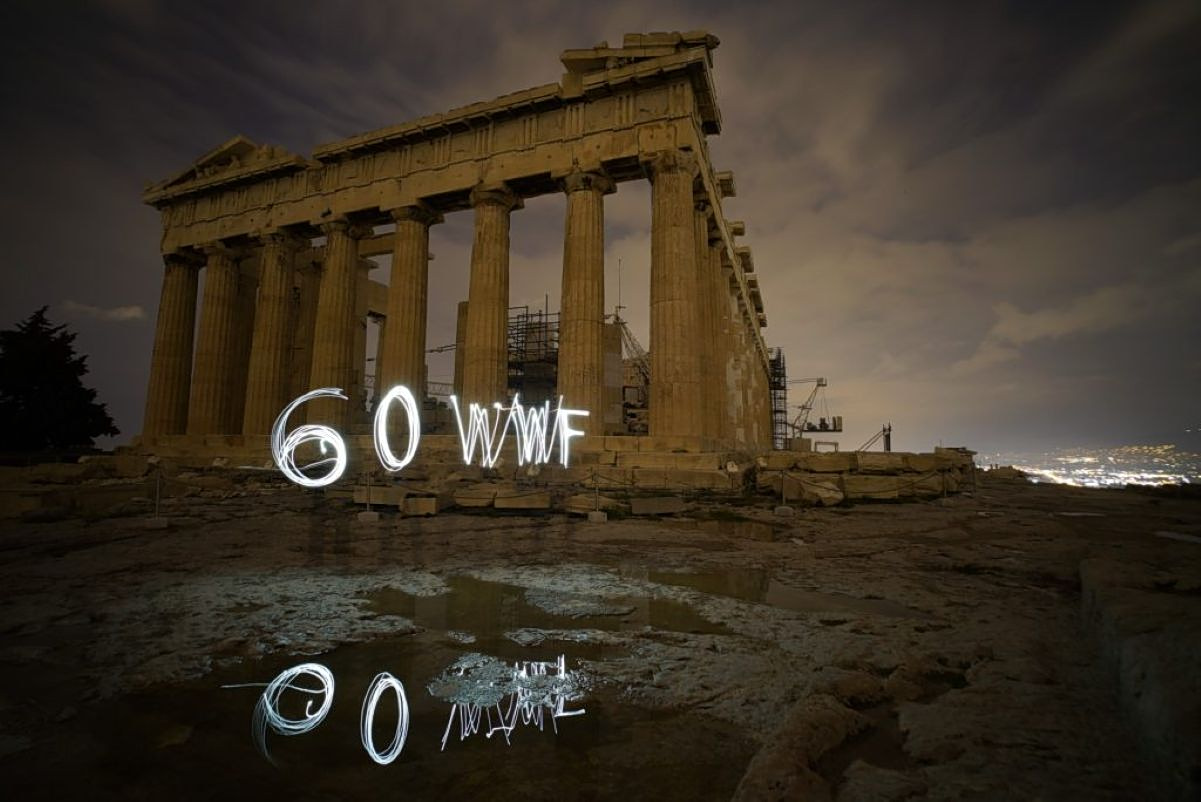
Every year on March 28, millions of people around the world participate in Earth Hour, a symbolic initiative launched by the World Wide Fund for Nature (WWF) in 2007. At 8:30 p.m., iconic landmarks, businesses, and households switch off their lights for one hour, raising awareness about environmental issues and the urgent need to tackle the climate crisis.
Beyond symbolism, the campaign underscores the importance of energy conservation and responsible environmental stewardship, encouraging individuals, communities, and organizations to unite in reducing energy consumption.
The stakes have never been higher. WWF’s Living Planet Report 2024 reveals a dramatic 73% decline in wildlife populations worldwide in recent decades. Freshwater species have suffered the steepest losses, plummeting by 85%, followed by terrestrial species at 69% and marine species at 56%. Regional disparities are stark: Latin America and the Caribbean experienced a staggering 95% drop, Africa 76%, and the Asia-Pacific region 60%.
Europe, Central Asia, and North America show milder declines, reflecting earlier conservation efforts before global monitoring began in 1970.
Habitat loss and degradation, largely driven by unsustainable food production, remain the primary threats to wildlife. Overexploitation, invasive species, and diseases further compound the crisis, while climate change and pollution intensify pressures on ecosystems. Declining wildlife populations serve as a warning signal, highlighting the rising risk of species extinction and the collapse of healthy ecosystems.
The report identifies critical planetary tipping points with global consequences. Deforestation in the Amazon could release vast amounts of carbon, while widespread coral reef destruction threatens fisheries and the livelihoods of millions in coastal regions. These crises extend far beyond local boundaries, impacting global food security and survival systems.
Locally, catastrophic events such as the recurring wildfires in Greece and other parts of the Mediterranean act as immediate tipping points, destroying ecosystems and altering human and natural landscapes alike. Earth Hour, though brief, reminds the world that collective action, even in small measures, is essential to safeguard the planet’s future.