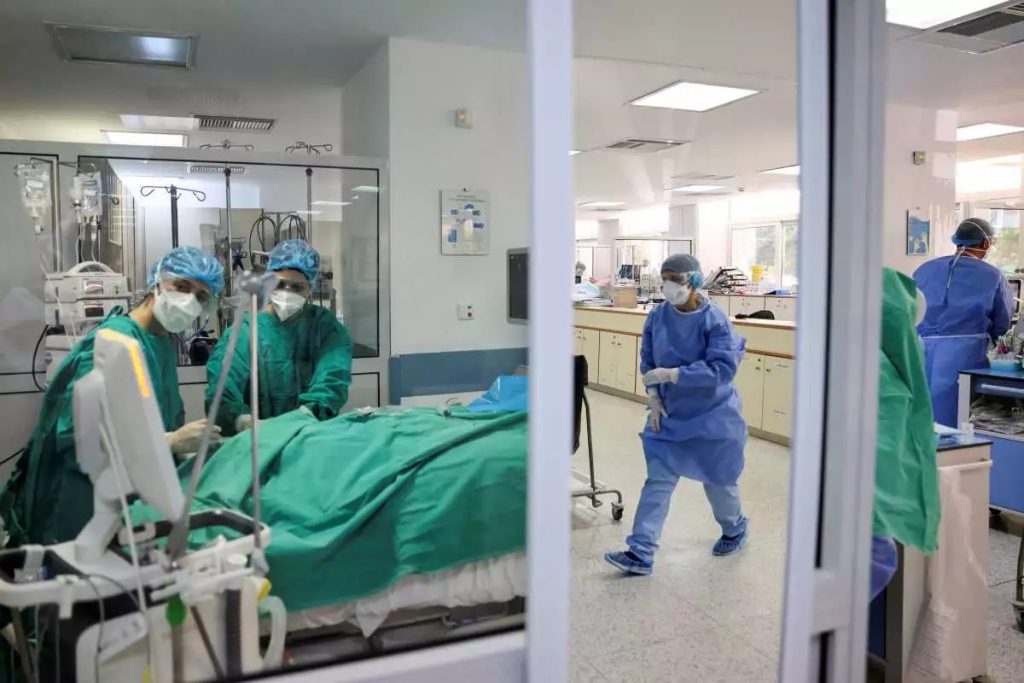
A tragic incident on the Greek island of Aegina has sparked renewed scrutiny of local healthcare services. On Friday afternoon, a 79-year-old woman collapsed at Agia Marina beach and died while waiting for an ambulance to take her to the island’s health center.
The woman initially lost consciousness in the water and was rescued by a lifeguard, who placed her in a recovery position. She briefly regained consciousness after receiving CPR from a private doctor on-site but suffered another cardiac arrest shortly afterward. During the roughly one hour and 20 minutes she remained conscious, bystanders repeatedly contacted the health center requesting an ambulance.
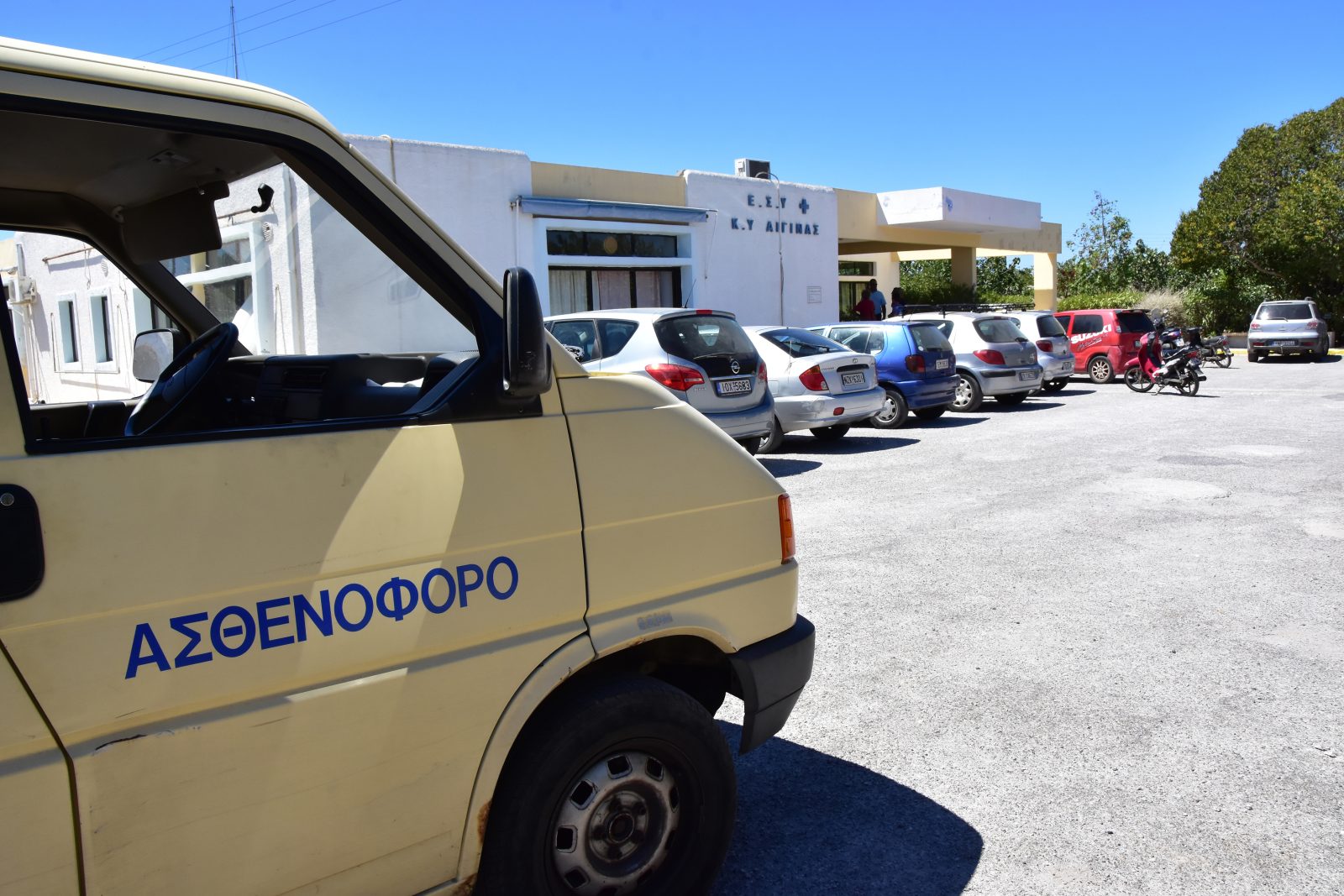
According to reports, the on-duty doctor informed them that no ambulance drivers were available at the time. The health center has three active drivers out of six positions, leaving gaps in coverage, particularly during busy afternoons when both residents and tourists are present. The estimated travel time from the health center to Agia Marina is 20–25 minutes, potentially critical for the patient’s survival.
The incident has prompted an official administrative inquiry, with a representative from the regional health authority expected to investigate the circumstances.
The Greek Medical Association (EINAP) highlighted chronic staffing shortages. Mary Agrogianni, a board member, noted that the three available ambulance drivers cannot cover a month’s shifts without working continuously. The shortage is exacerbated during summer, when Aegina’s population swells with tourists.
Recent administrative decisions have also drawn criticism. According to EINAP, a neurosurgeon was transferred from a major hospital to the Aegina health center, leaving first-line services understaffed. These moves, coupled with missing personnel, mean the island sometimes lacks ambulance coverage during peak hours.
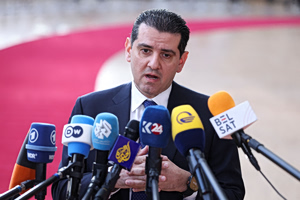
Response from the Health Ministry came from Minister Adonis Georgiadis, who acknowledged the incident and stated that an investigation has been launched. In a public statement, he confirmed that the deceased was without a pulse when discovered and that efforts by the lifeguard and private doctor could not save her. Georgiadis pledged that if any responsibility is found at the health center, it will be addressed with the full legal measures available. He also clarified that the matter is not linked to the national ambulance service (EKAB), as the response falls under the local health center.
The tragic case has reignited debate over healthcare readiness on tourist-heavy islands, emphasizing the critical need for adequate staffing and timely emergency response to prevent future losses.