Farmers on the Greek island of Lesvos have launched a large-scale blockade of the main port in Mytilene, bringing ferry operations to a standstill and escalating a growing agricultural crisis that they say is pushing their livelihoods to the brink.
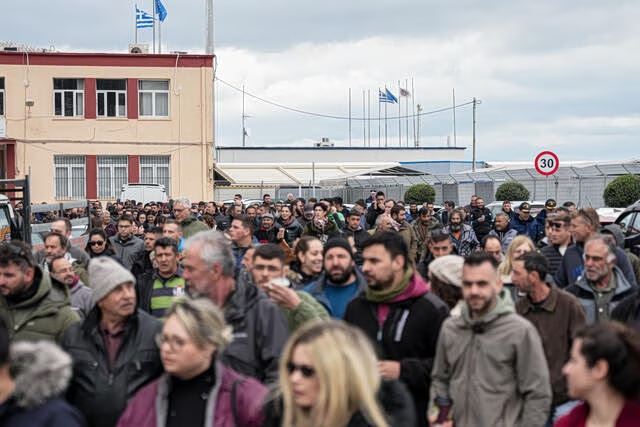
Around 120 livestock producers have occupied the port area, effectively imposing an unofficial shutdown on maritime traffic. The protesters say they are determined to prevent any loading or unloading of vessels until their demands are addressed, warning that their action will continue indefinitely.
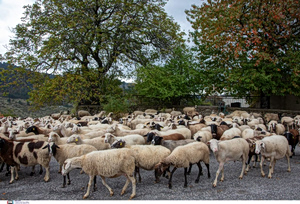
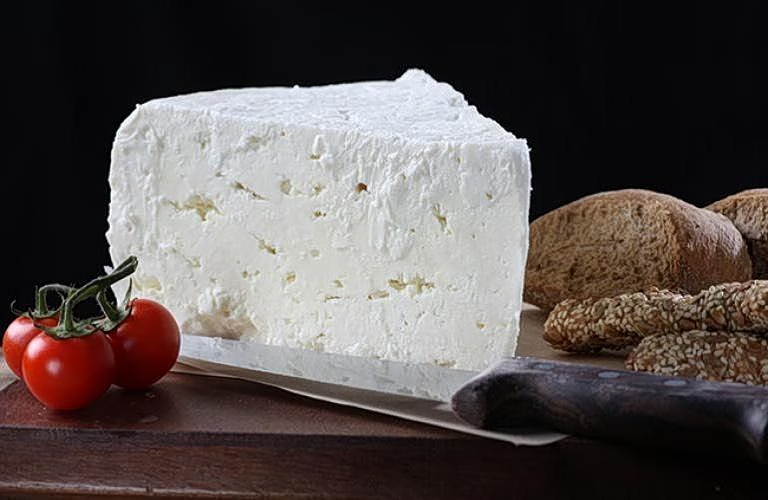
The farmers argue that a severe livestock disease outbreak has devastated production, leaving them unable to sell milk or properly maintain their herds. Many report being forced to discard large quantities of milk due to the collapse of distribution channels, while animals remain unfed in rural holdings as their owners remain at the protest site.
Farmers demand emergency support and veterinary staff
The protesting agricultural groups are calling for immediate financial compensation for animals that have been culled, as well as urgent solutions for milk collection and payment. They are also demanding that livestock producers be compensated based on last year’s production levels in cases where milk cannot be distributed.
Among their key requests is the hiring of additional veterinarians to contain the disease outbreak, which they say is essential to restoring stability in the sector. They are also calling for a suspension of loan repayments and contributions to social insurance and agricultural funds until the crisis is resolved.
Port blockade disrupts travel and tourism
The blockade has also caused significant disruption to travel and tourism. Ferry suspensions have led to cancellations of scheduled visitors, including around 300 tourists expected from nearby international routes. Some travelers holding short-term entry permits face uncertainty as their visas approach expiration.
Dozens of visitors are also reported to be stranded, including pilgrims who had traveled to the island for religious events, as well as hundreds of passengers who were unable to board return ferries.
Local authorities have warned of wider ripple effects on the island’s tourism sector, as ferry cancellations and port restrictions continue.
Partial port access for dairy exports
In response to the escalating situation, the regional governor of the North Aegean has ordered a limited reopening of the port for the export of dairy and related products, subject to strict biosecurity protocols. The measure is intended to prevent total destruction of remaining production while easing pressure on the local economy.
However, the protesting farmers remain in place and have announced plans for further island-wide mobilization, insisting that without immediate government intervention, the crisis could deepen further and threaten the viability of livestock farming on the island.