 Μake us preferred on Google
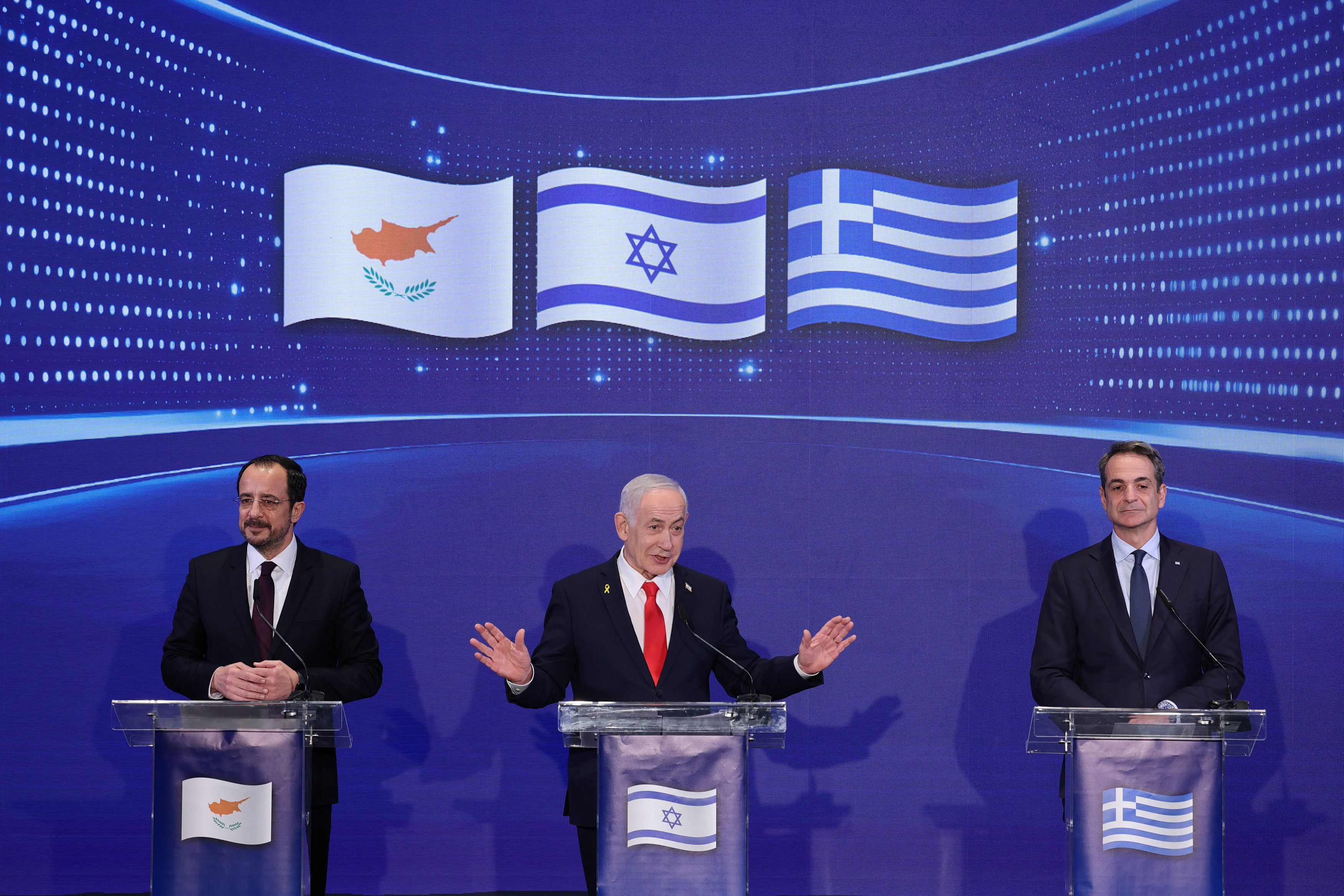
 Athens is stepping up preparations for the upcoming “3+1” energy cooperation summit, scheduled for June 9-11 in Washington, D.C., as regional tensions and competing geopolitical agendas continue to rock the Eastern Mediterranean.
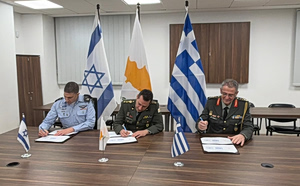
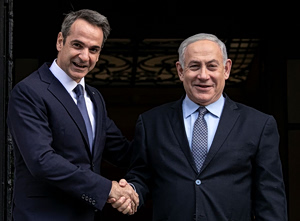
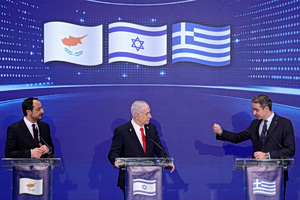
The “3+1” format, which brings together Greece, Cyprus, Israel and the United States, has emerged as a key platform for energy coordination. While Washington is increasingly investing in the initiative, Ankara continues to denounce the trilateral partnership as hostile toward Turkey and destabilizing for the wider region.
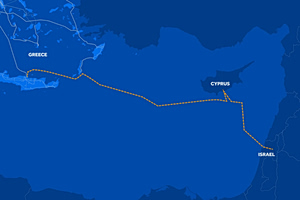
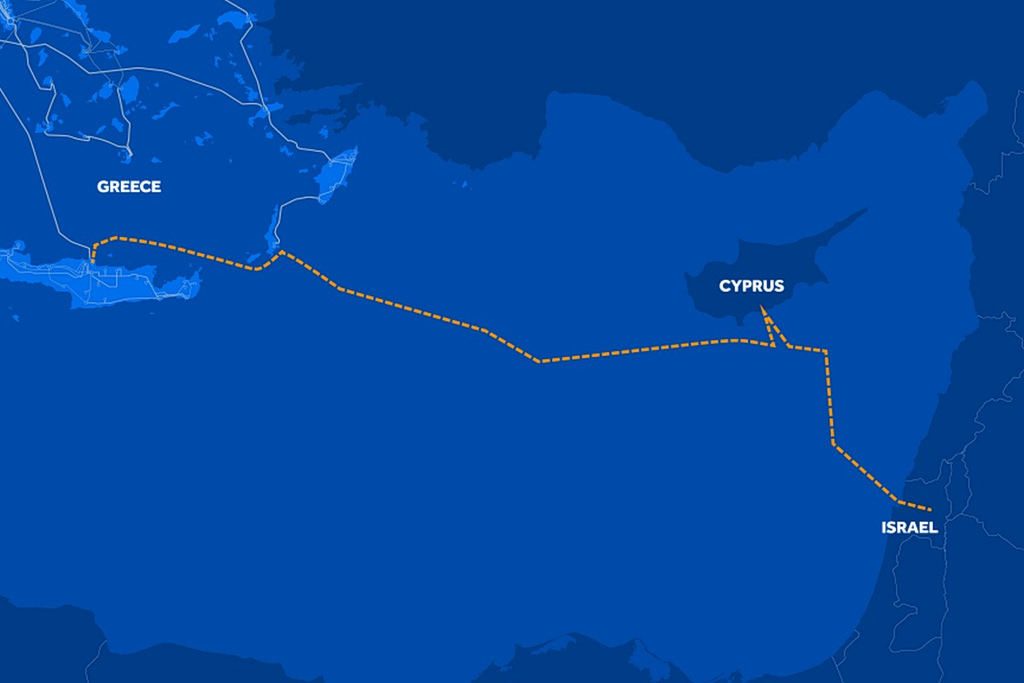
A central priority for the ministers attending the June summit will be to translate the strategic goals that were outlined at the previous meeting in Athens last November into concrete commitments and clear timelines. Particular emphasis is expected on several energy and connectivity projects, including the Greece-Cyprus-Israel Interconnector (GSI), the EastMed pipeline and the India-Middle East-Europe Economic Corridor (IMEC). These projects have been affected by shifting geopolitical dynamics and competing regional interests.
The four countries are also expected to broaden cooperation into sectors such as artificial intelligence, while working toward a new regional energy architecture. The stated goal is to reduce dependence on “malign actors” and strengthen coordination to protect critical energy infrastructure in line with international law, a pointed reference to Turkey.
For Athens, continued U.S. support for the “3+1” framework is seen as a clear endorsement of the stabilizing role played by the Greece-Cyprus-Israel partnership and a rejection of Turkish claims that the cooperation fuels instability or conflict. All four countries, with U.S. backing, are working toward establishing a more permanent platform for cooperation — one designed to operate under conditions recognized by international commercial and energy stakeholders. Greek officials present this effort as a direct counterpoint to Turkey’s stance in the region, pointing in particular to recent statements by Turkish Foreign Minister Hakan Fidan criticizing the Greece-Cyprus-Israel partnership
Diplomatic outreach to Libya
At the same time, Greek officials are preparing for a new mission to Tripoli, following a recent visit to Benghazi. The trip could take place as early as April and comes amid ongoing discussions about maritime boundary delimitation.
According to diplomatic sources, Greek and eastern Libyan officials are in close contact to finalize the visit, during which both sides are expected to address the timeline for technical talks on maritime zones.
The planned outreach follows a recent report by the European Parliament’s Foreign Affairs Committee, which criticized Turkey for obstructing key energy projects such as EastMed and the GSI. The report also called on Ankara to respect the U.N. Convention on the Law of the Sea and withdraw its maritime memorandum with Libya.
During a recent one-on-one meeting between Greece’s foreign minister George Gerapetritis and Boulos, the two sides exchanged views on progress in Libya’s political process as well as migration flows. Both were aware of Turkey’s increasing presence in the region, noting Turkey’s growing presence in the region and what Greek officials describe as efforts by Ankara to exert pressure through migration.
Monitoring Ankara’s moves
Athens is closely watching developments in Turkey, particularly in the context of the Antalya Diplomacy Forum (April 17-19), where regional leaders are gathering. Recent meetings by Turkish President Recep Tayyip Erdogan with North Macedonia’s president, Gordana Siljanovska-Davkova, and Turkish Cypriot leader Tufan Erhurman have drawn attention in Athens.
Greek officials say they are preparing for all possible scenarios, including the unlikely event of potential escalation by Ankara, especially as Turkey’s broader foreign policy initiatives appear to face challenges. Erdogan’s recent remarks on Cyprus — warning against a permanent foreign military presence on the island and emphasizing Turkey’s readiness to defend Turkish Cypriots — are seen as reflecting Turkey’s limited room for maneuver.