 Μake us preferred on Google
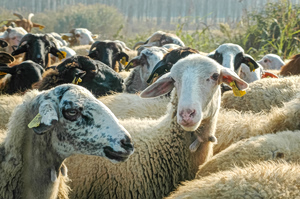
 After nearly two months of protests that disrupted highways, border crossings and regional roads, protesting farmers and livestock breeders across northern Greece are beginning to gradually return to their fields and farms. The shift comes despite recent polling showing strong public backing for both the farmers’ demands and the tactics they used, reflecting a broader unease over the pressures facing Greece’s agricultural sector.
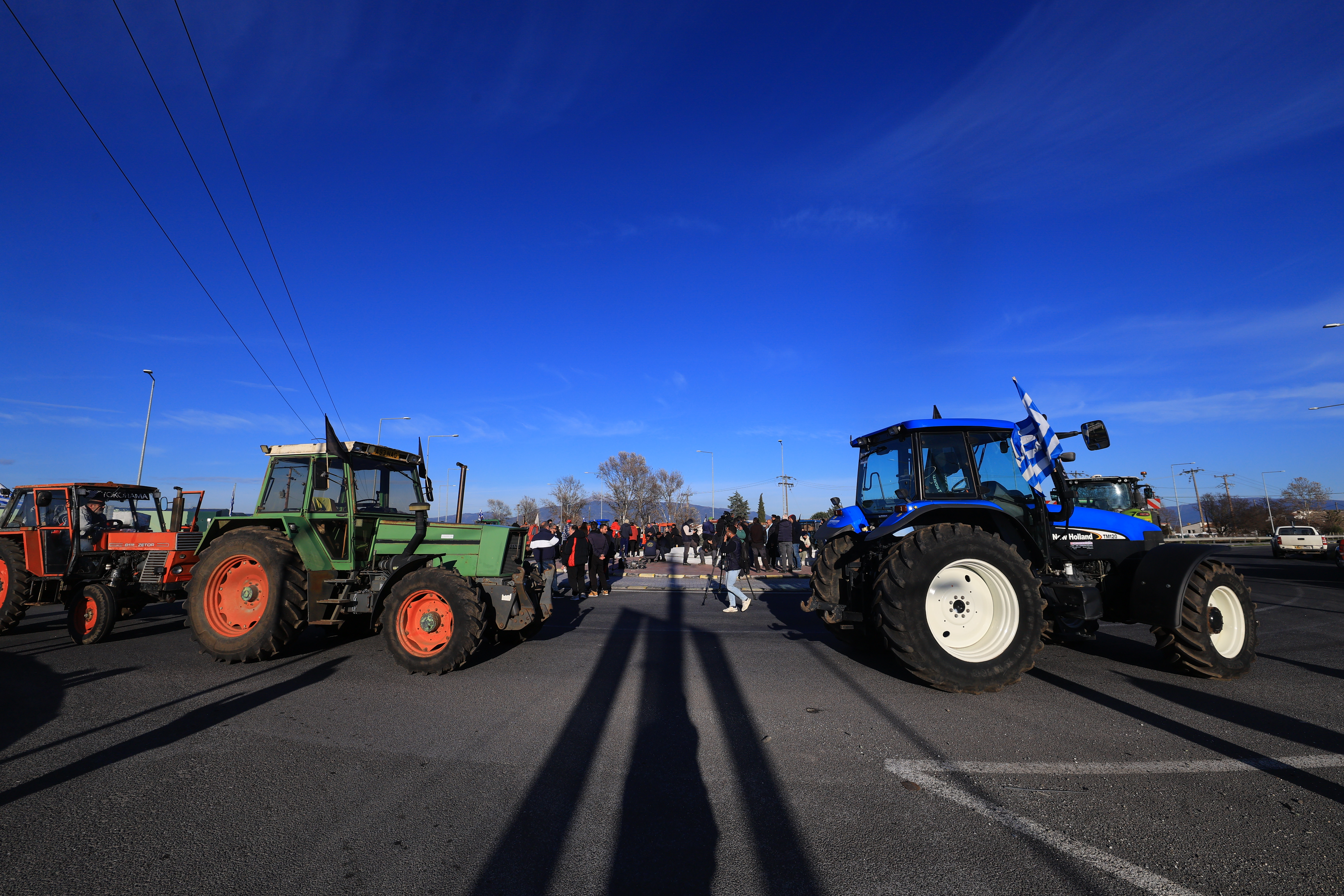
The decision to dismantle the roadblocks was taken through local assemblies of farmers’ groups, signaling a coordinated albeit cautious pause in one of the country’s most widespread rural mobilizations in recent years. Tractors that had lined key transport routes are being withdrawn, restoring traffic in large parts of northern and northeastern Greece.
The protests, which began in early winter, saw farmers block major highways linking Thessaloniki, Greece’s second-largest city, with Athens and other regional centers, as well as routes leading to neighboring Balkan countries. Border checkpoints and toll stations were also affected, amplifying the economic and symbolic impact of the demonstrations.
Most roadblocks are being dismantled today, following withdrawals that began in recent days across northern Greece. Farmers’ groups in Central, Western and Eastern Macedonia have been removing tractors from highways, regional roads and border crossings, reopening key transport routes, including the country’s main east–west motorway. In several areas, producers marked their departure with short, organized vehicle convoys through nearby towns before returning to their farms.
A Tactical Pause, Not an End
Despite the clearing of roads, farm leaders stress that the protests are far from over, but they will be changing form and tactics. A nationwide coordinating body of farmers’ groups is expected to convene again in early February to assess next steps, including the possibility of a large rally in Athens.
Discussions are also expected to focus on planned actions during Agrotica, Greece’s major agricultural trade fair, which was postponed from late January to mid-March because of the protests.
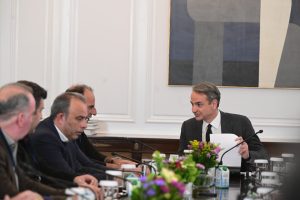
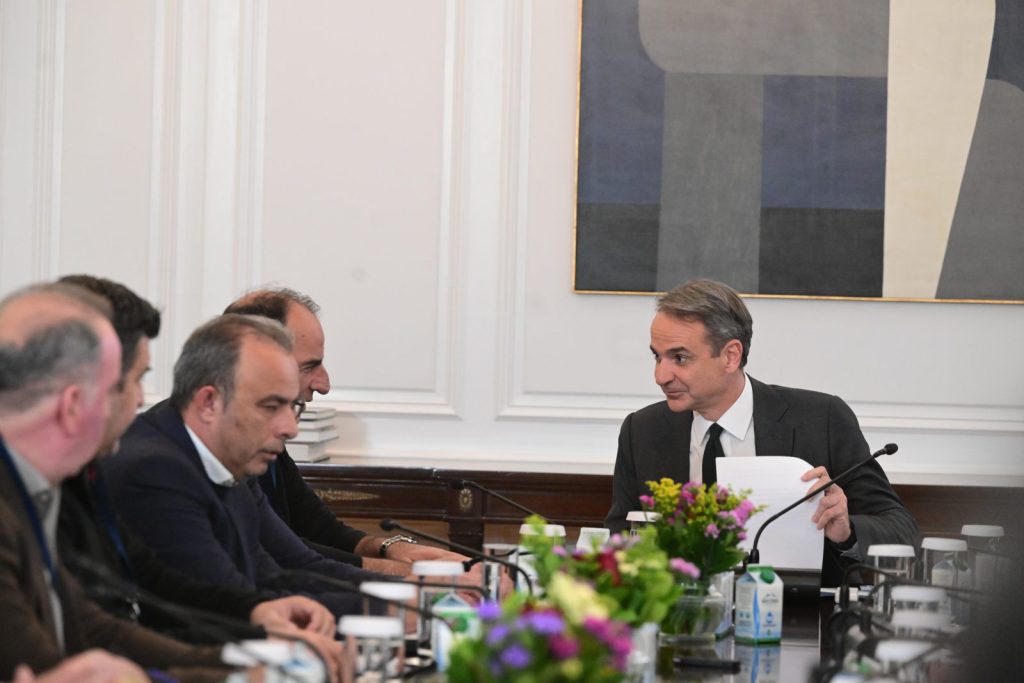
Farmers say they intend to continue talks with government officials, seeking clearer commitments and more detailed measures to address the challenges facing Greece’s primary production sector. While some meetings have already taken place, producers argue that many local and sector-specific issues remain unresolved.
Poll Shows Broad Public Backing
As tractors roll off the highways, new polling suggests that public sympathy for the farmers remains high.
According to a nationwide survey by Metron Analysis, conducted for the television network Mega, three out of four respondents — 75% — described farmers’ demands as “fair.” Only 23% said they were “excessive,” while 2% expressed no opinion. Although support has dipped slightly from an earlier reading, when approval stood at 81%, it remains strong by any measure.
Support cuts across much of the political spectrum. Respondents identifying with the left and center-left expressed overwhelming agreement with farmers’ demands, while even among those on the right, a clear majority viewed the claims as justified.
Public opinion was also broadly favorable toward the tactics used. Asked specifically about road closures and blockades, 63% of respondents said the measures were justified, compared with 36% who viewed them as unjustified. Both figures were virtually unchanged from previous polling.