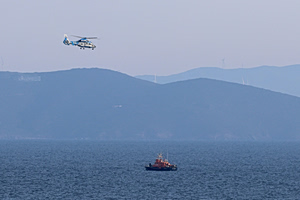
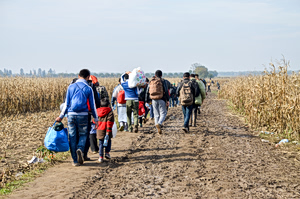
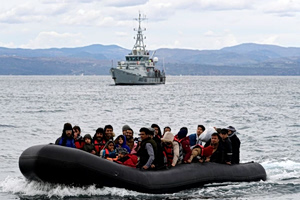
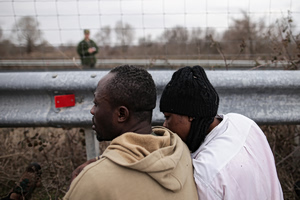
Athens is closely monitoring developments as they evolve day by day, following the arrival of hundreds of migrants on Greece’s southern shores from Libya, particularly from Tobruk in the eastern part of the divided North African country, which is under the control of Field Marshal Khalifa Haftar.
The Greek government has made it clear that it will not tolerate the entry of thousands of migrants into its territory during the summer months. The islands of Gavdos and Crete are expected to bear the initial burden of managing the phenomenon, prompting Greek authorities to seek assistance from both the European Union and Libya itself. In recent months, Libya has been cooperating in this area through the training of its coast guard in close coordination with Greece.
Beyond the firm messages Athens continues to send in all directions regarding the issue, authorities have already discussed a range of response measures centered on return policies and the detention of migrants until their asylum claims are examined. The longer-term objective remains the accommodation of migrants, by 2027, in refugee camps expected to be established on African soil.
At the same time, there are those who see a Turkish role behind the renewed pressure on Greece caused by the growing number of migrant arrivals from Libya. They suspect that Ankara may be influencing developments as the anticipated “Blue Homeland” bill approaches. According to reports, the proposed legislation could include provisions related to the disputed Turkey-Libya maritime memorandum, which Greece considers legally baseless.
While the submission of the Turkish bill for parliamentary approval is still pending—and according to reliable information will not take place during June due to lengthy procedural requirements—it is considered certain that the next round of technical talks between Athens and Tripoli will be finalized within the coming weeks, most likely by July. The discussions will focus on negotiations for an agreement on the delimitation of the continental shelf and Exclusive Economic Zones (EEZs).
At a critical geopolitical moment, Athens appears determined to close as many outstanding gaps as possible with neighboring countries, openly pursuing dialogue, diplomatic rapprochement and the resolution of long-standing disputes rather than allowing them to remain unresolved.
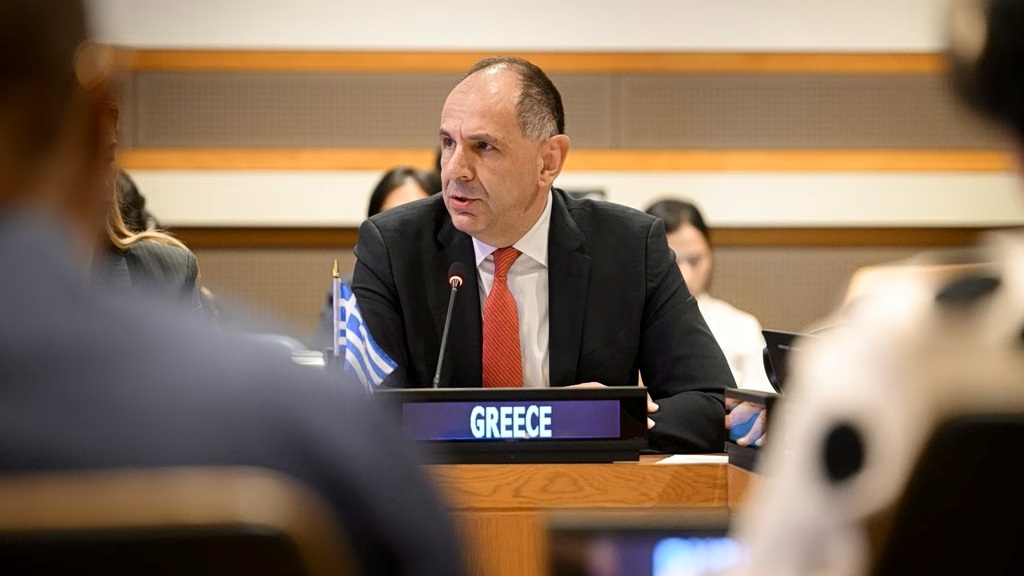
Particularly with Libya, Greece—and specifically Foreign Minister Giorgos Gerapetritis—has maintained open channels of communication with both sides of the country’s political divide. Over the past year, he has already undertaken two diplomatic missions to Tripoli and Benghazi. The Greek side remains committed to building bridges and addressing issues that, if left unresolved, could not only grow more complicated but also eventually be addressed by others.
The United States remains a significant factor in the Greece-Libya-Turkey triangle through major American energy companies promoting energy projects in the region. Other influential regional players, including Israel and Egypt, also continue to play an important role, with Egypt in particular exerting considerable influence over developments concerning Libya.