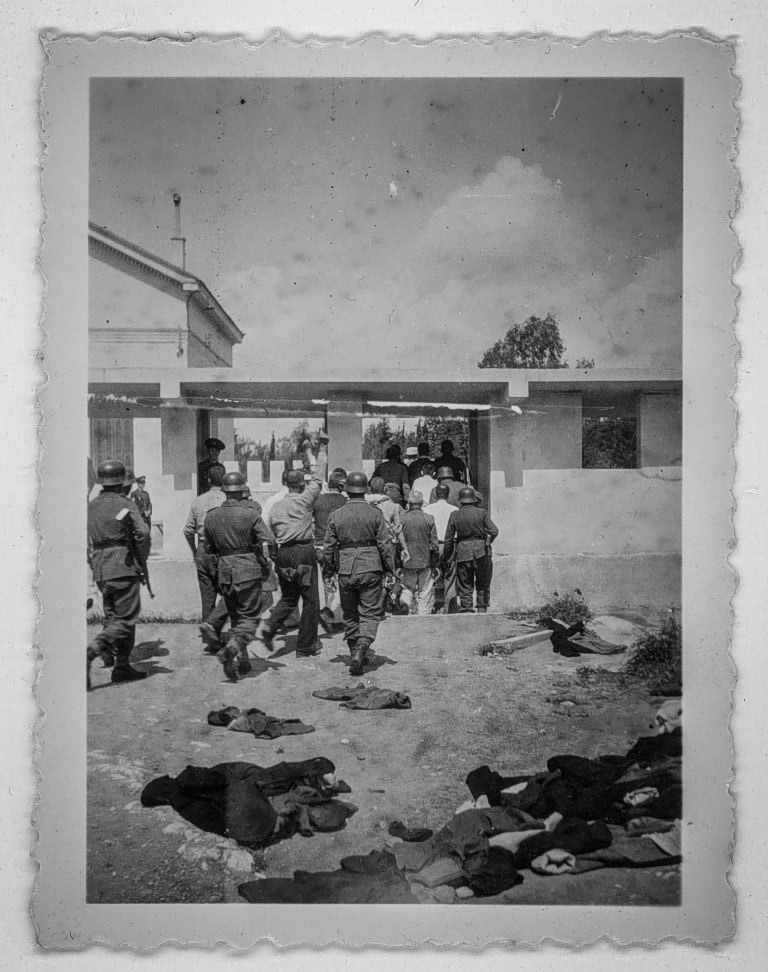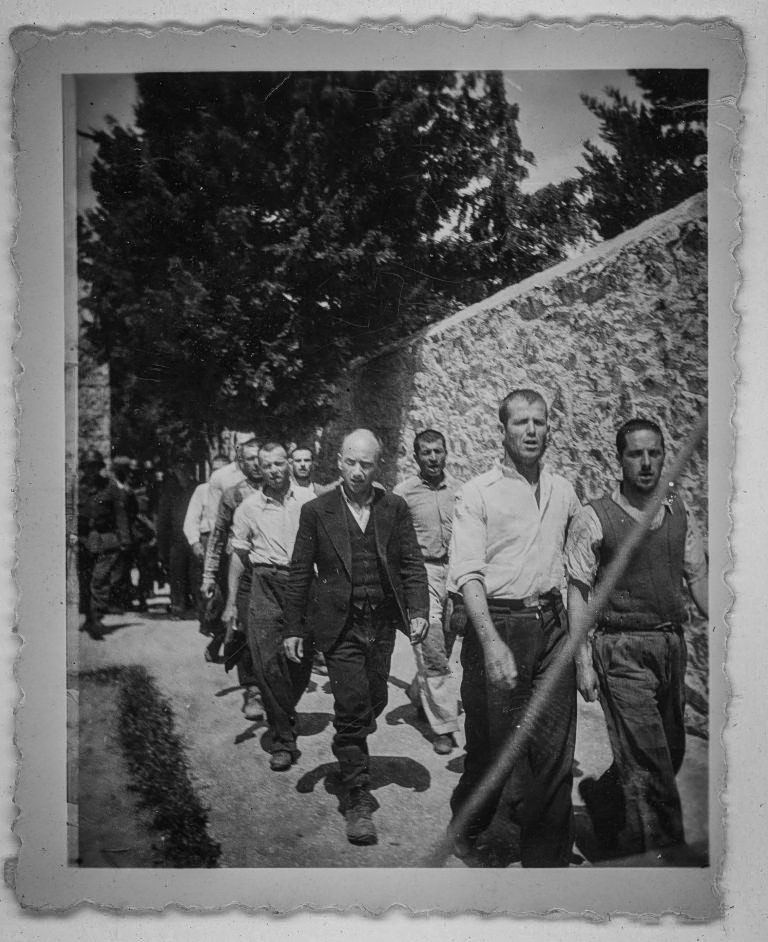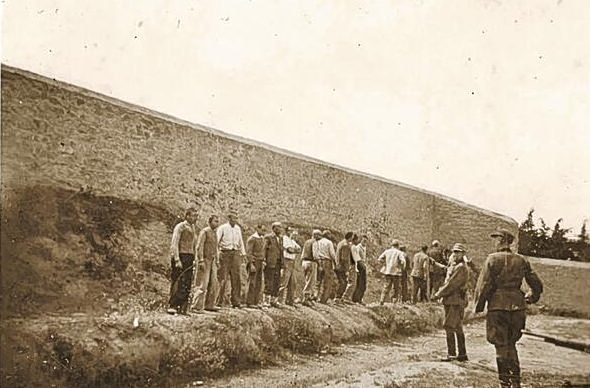
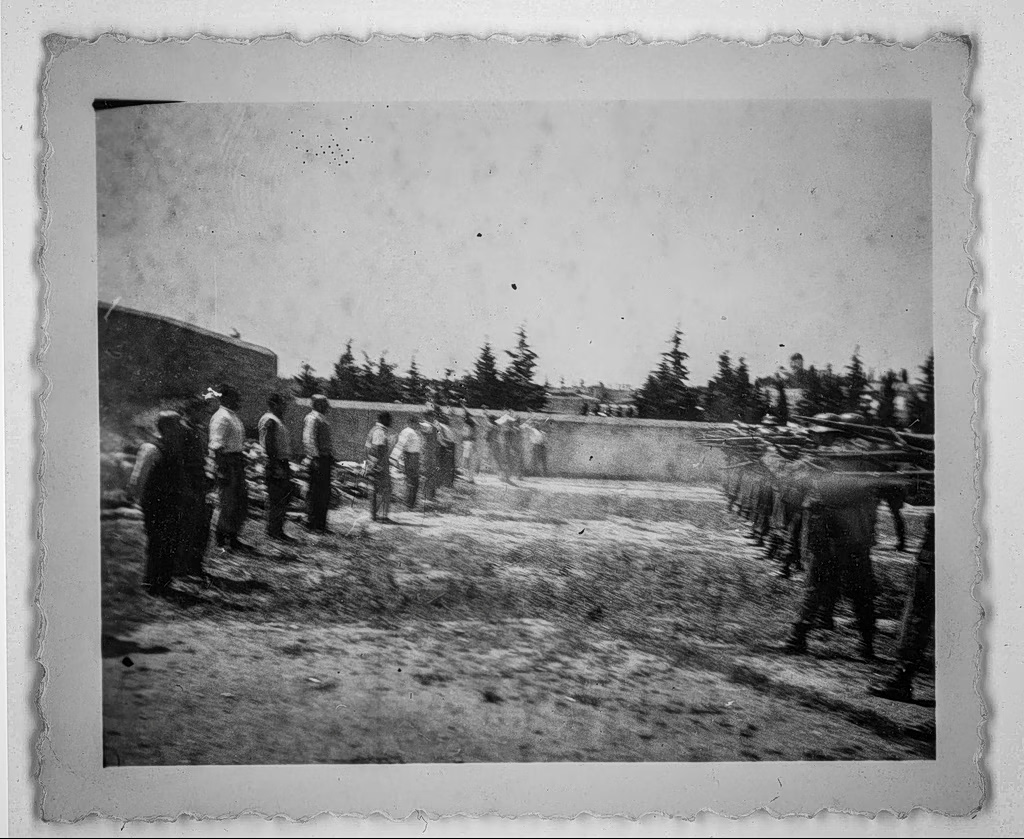
Greece’s culture ministry on Thursday presented a now emblematic collection of scores of photographs and documents showing scenes from a war crime conducted by Nazi occupation forces in Greece only months before Axis forces withdrew from the country during WWII: the execution of 200 prisoners on May 1, 1944, at the Kaisariani shooting range.
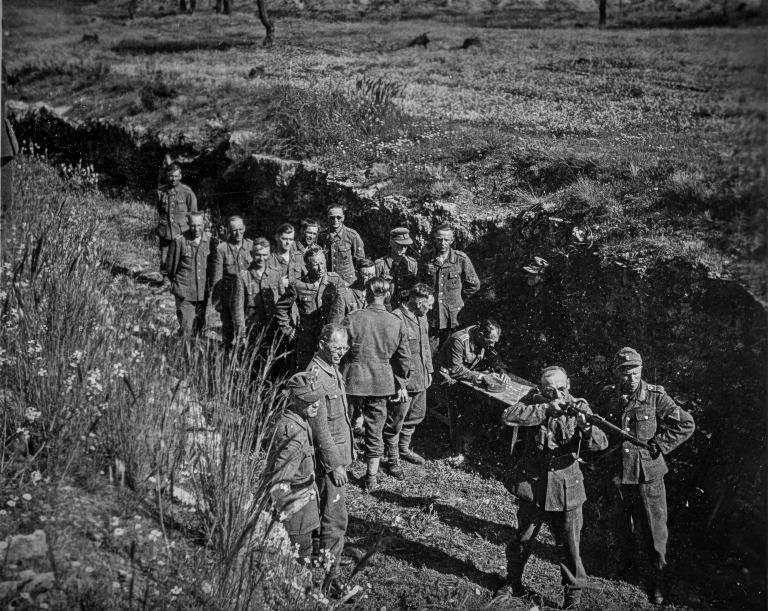
The haunting photographic cache was returned from Belgium and a collector of wartime memorabilia after being purchased by the Greek state. In total, 262 historical items were authenticated and now form an integral part of national collective memory.
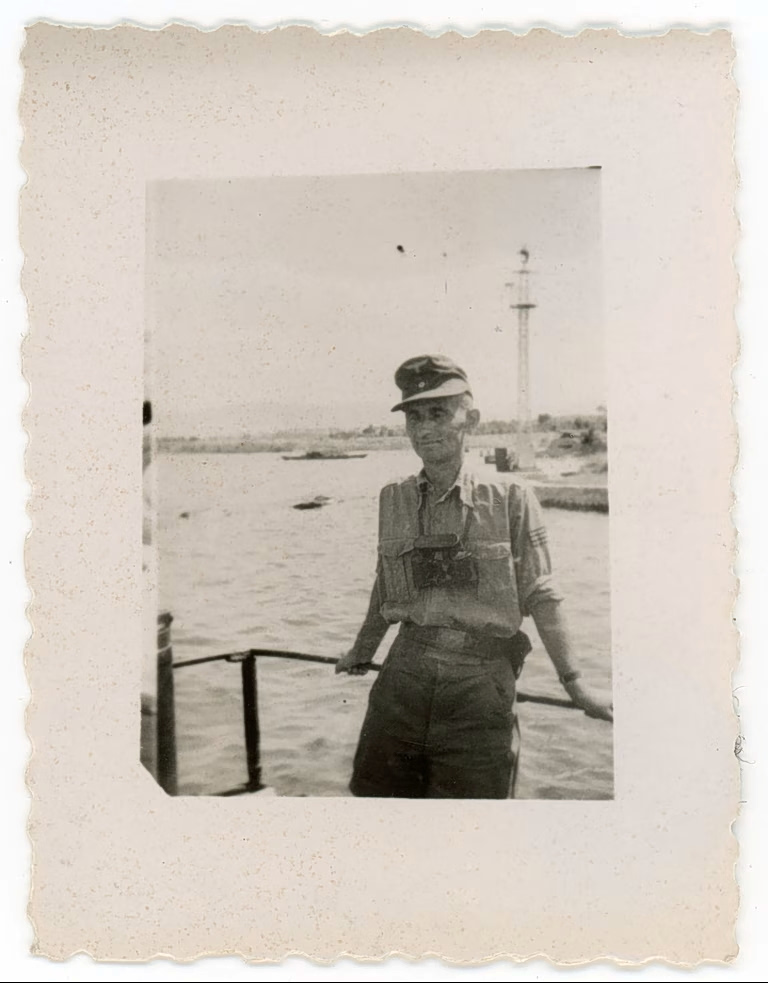
@HEUER. Sgt. Hermann Heuer at the Corinth Canal, where his unit was stationed. His camera can be seen hanging from his neck. From an analysis of the photographs, even the model of the camera he used was identified.
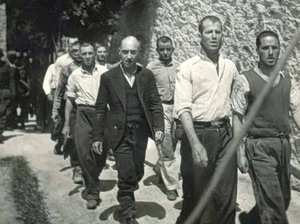
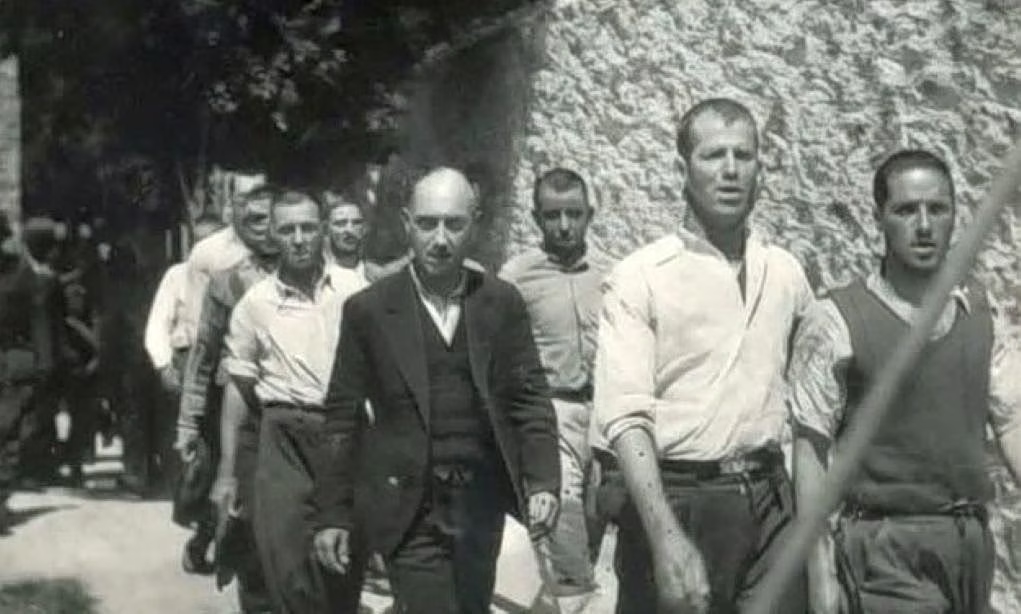
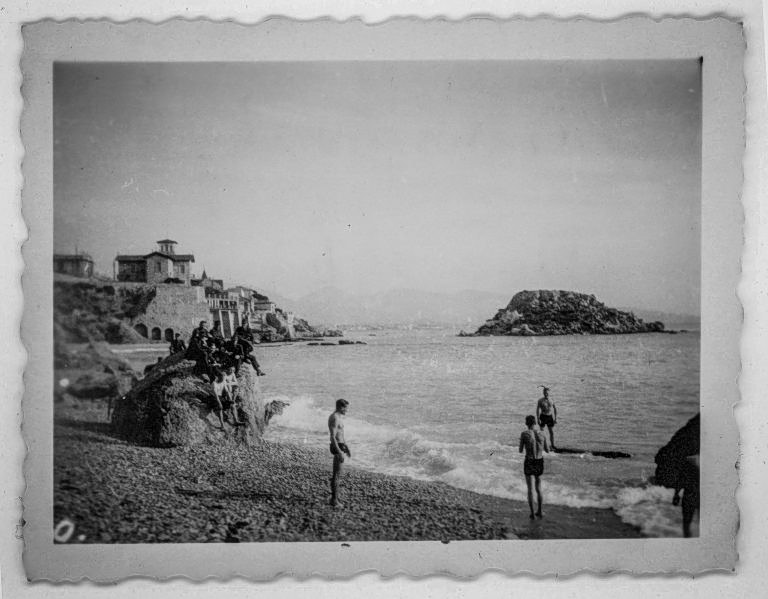
The entire Heuer collection, ostensibly named for the German NCO who took the photographs and possessed them, features historic photographs of the 200 executed men, mostly communists held in prisons for years.
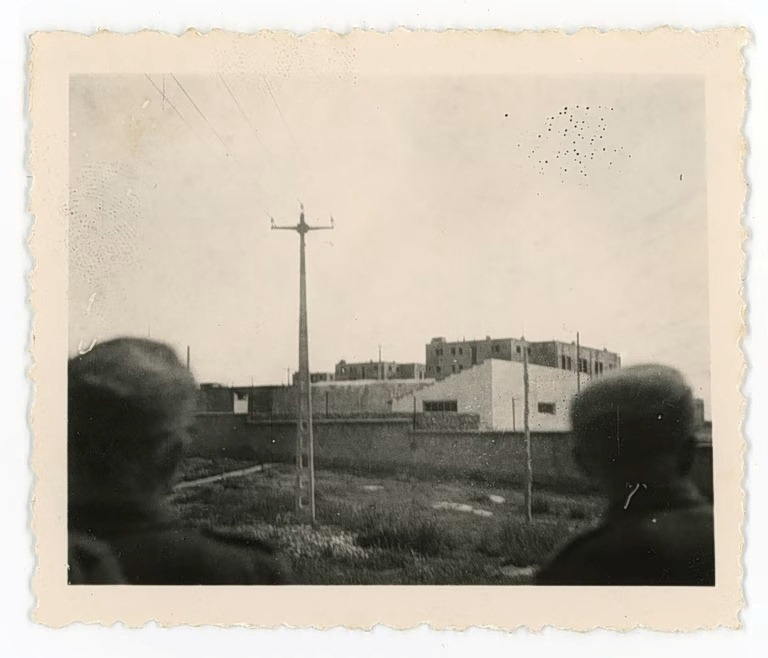
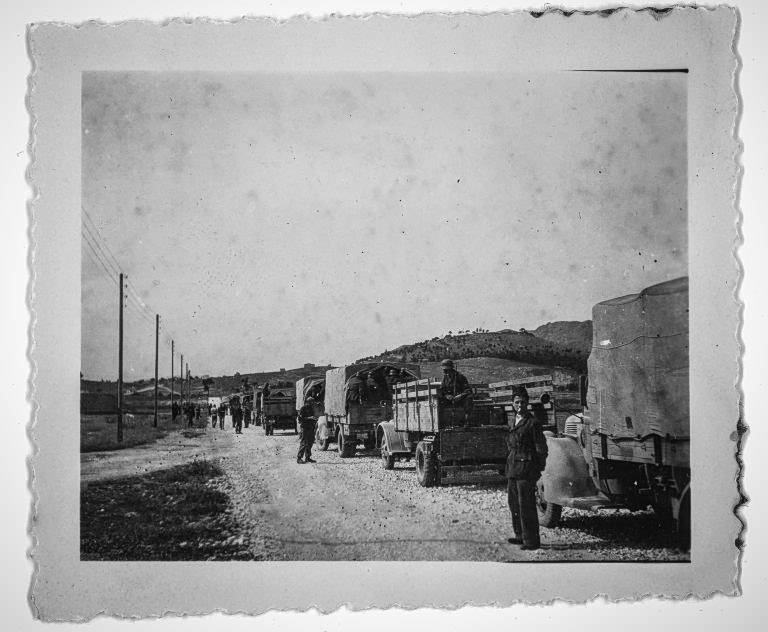
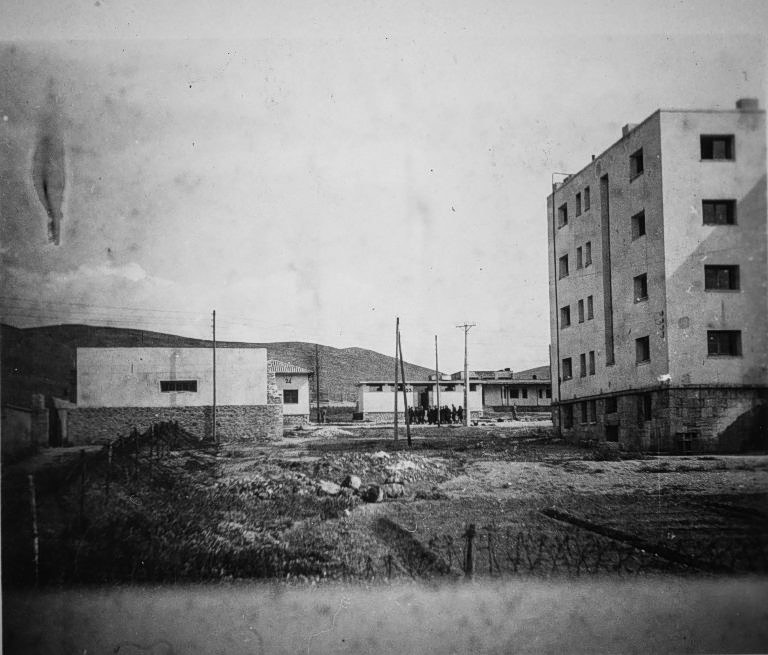
@HEUER. The reputed photographer of the photographs, Wehrmacht sergeant, Hermann Heuer, takes part in the transport of the Greek patriots from the Haïdari lockup to the Kaisariani shooting range, as he appears on top of a truck. In the background is the Haidari prison camp, at the moment when the convoy of trucks departs from Haïdari, southwest of downtown Athens, for Kaisariani, in the foothills beneath Mt. Hymettus, in east Athens.
The collection was unveiled in Athens on Thursday during a special event and press conference, with Culture Minister Lina Mendoni presenting specialists and researchers who studied the images and documents.
With raised fists five meters from the Nazi executioners
Among the items in the collection, perhaps the most noteworthy is a photograph depicting the condemned men standing resilient before members of a firing squad at the moment they look death in the face. The German soldiers executed them from a distance of five meters, while many of the prisoners have their fists raised, just moments before they fall dead.
From eBay to repatriation to Athens
These unique historical documents were initially located when they were put up for auction on eBay by the Belgian collector Tim de Craene.
The Greek government was informed and reacted immediately, managing—with the assistance of the Greek embassy in Belgium—to complete procedures for acquiring the archive in short order.
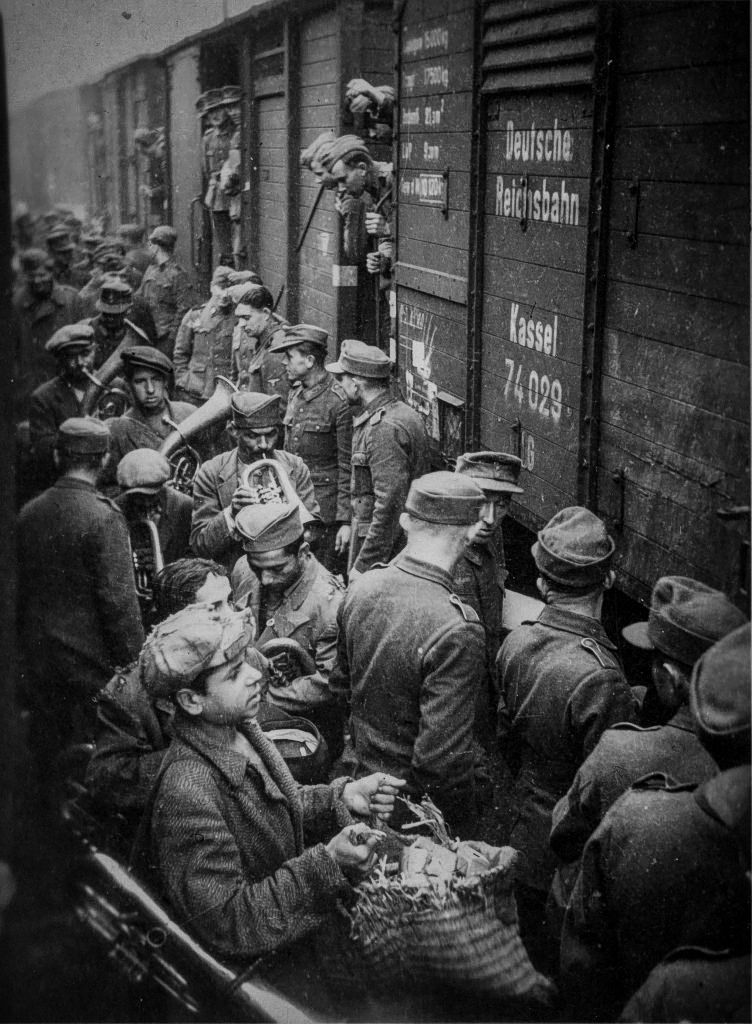
In total, the Greek state took possession 262 photographs, 16 documents, and four occupation-era banknotes.
This collection constitutes an invaluable historical record that sheds light on the final moments of the heroes of Kaisariani and strengthens the country’s national historical memory.
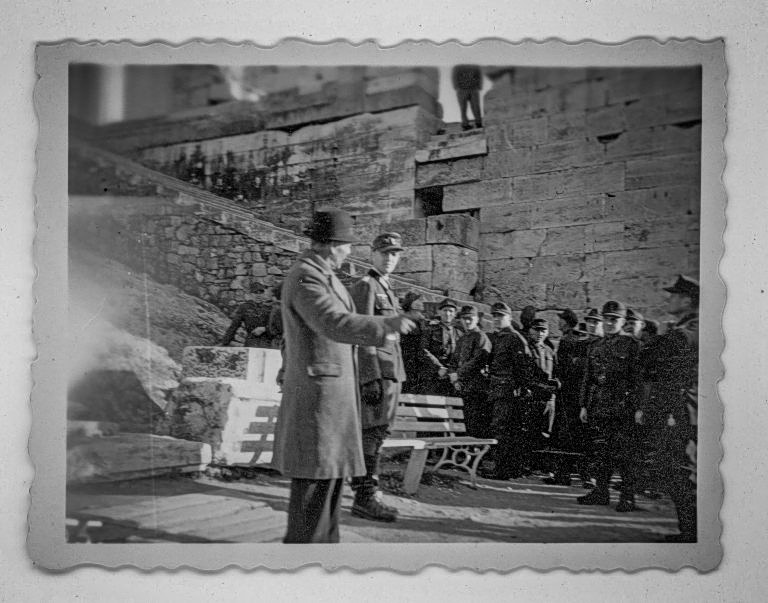
@HEUER. A group of German soldiers, along with a tour guide, visit the Acropolis in central Athens during the first days after Heuer’s unit arrived in the Greek, in early December 1943, during a period when German forces were being pounded back west on the Eastern Front and Italy had been invaded by the Allies.
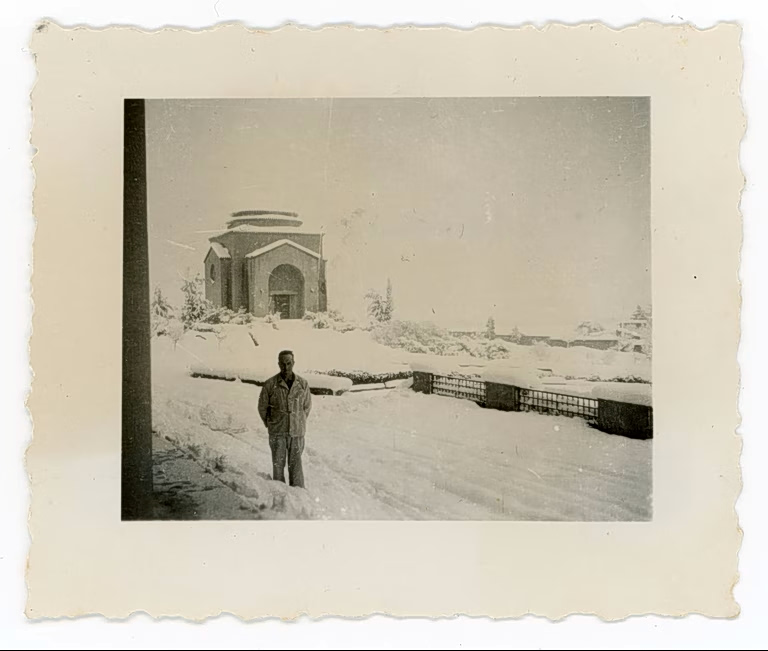
@HEUER. A photograph reportedly shows Heuer in front of the chapel of St. Anastasia on the snow-covered grounds of the private Arsakeio all-girls school in the Psychiko district of Athens. The caption accompanying the photograph reads “Winter 1944”, which is probably wrong, as German occupation forces evacuated Athens and mainland Greece in the first half of October 1944.