
 Μake us preferred on Google
 Greece enters a critical phase of extreme weather from Monday, July 21, as a powerful heatwave pushes temperatures above 40°C for at least five consecutive days. The country is effectively on red alert, with the government mobilizing its full emergency response apparatus in anticipation of dangerous conditions.
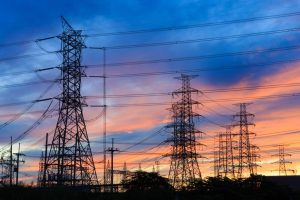
The civil protection mechanism has been activated at all levels. Fire services remain on high alert, while the Armed Forces are conducting patrols and keeping heavy machinery on standby. Regional and municipal authorities, the Forestry Service, the Greek Police, the Coast Guard, the Greek Electricity Distribution Network Operator, the Independent Power Transmission Operator, and the National Center for Emergency Care are all operating under heightened readiness.
Several ministries—including the Ministries of Interior, Health, Labor and Social Affairs, and Tourism—are also involved in the coordinated response.
The Ministry of Health has already initiated emergency measures to safeguard workers in the private sector from heat-related health risks, particularly focusing on vulnerable populations such as the elderly, infants, pregnant and breastfeeding women, individuals with chronic illnesses, and those working in high-temperature environments.
Heat stress—also referred to as thermal strain—is the body’s physiological response to elevated external temperatures. Common symptoms include headaches, dizziness or fainting spells, profuse sweating, nausea, vomiting, and a rapid, weak pulse. If left unaddressed, it can escalate to serious health conditions, including heatstroke.
Experts emphasize the importance of prevention. Proper hydration is considered essential, while dietary recommendations include high-water-content foods such as fruits and vegetables. Fatty foods should be avoided, as should caffeine and alcohol due to their diuretic effects. Protective measures such as wearing hats, applying sunscreen, and avoiding direct sun exposure during peak hours are strongly advised.