Greece is preparing a new package of measures to contain rising fuel costs, including subsidies and discounts aimed at limiting the price of heating oil when it goes on sale on October 15.
The government is seeking to bring the retail price of heating oil down to between €1.50 and €1.60 per liter, according to available information. Even at that level, however, the fuel would be about 36% more expensive than at the start of last year’s heating oil season.
Heating oil began selling on October 15, 2025, at €1.09–€1.10 per liter, the lowest starting price in five years, according to the government and oil companies at the time.
Subsidies and refinery discounts
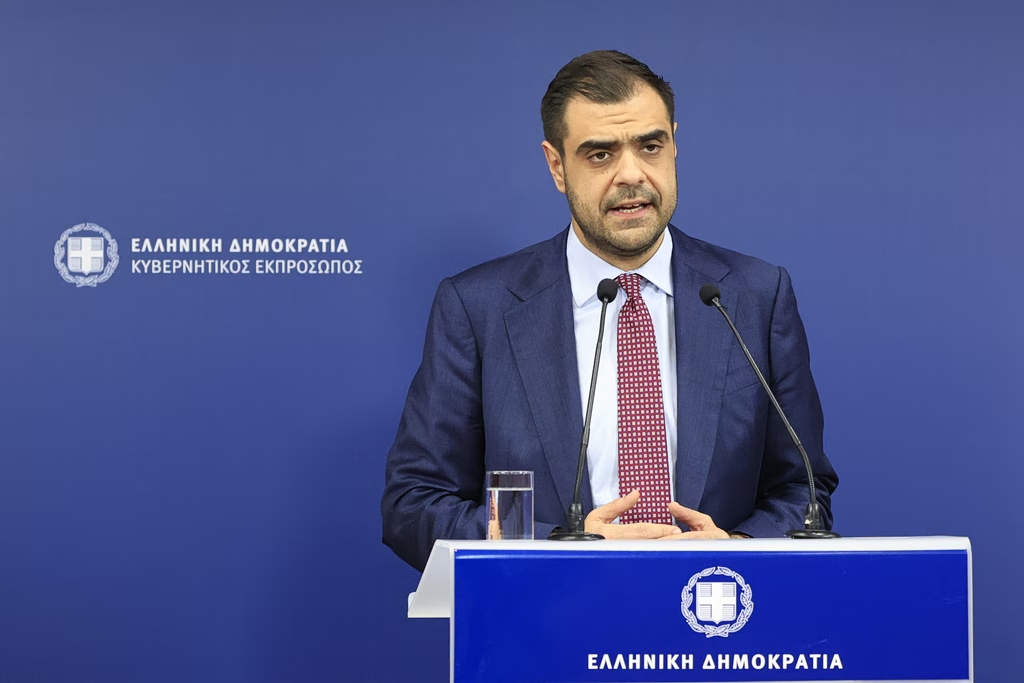
The government’s economic team is expected to announce measures next week, following Prime Minister Kyriakos Mitsotakis’ comments on Wednesday.
The package is expected to include a substantial state subsidy and significant discounts from refineries at the pump. The measures aim to reduce the current price of heating oil, which is around €2 per liter, by €0.40 to €0.50 per liter.
The size of the government subsidy will also depend on the level of support provided by refineries.
The government is also set to benefit from the established reduction in the Special Consumption Tax on heating oil, which will fall to €0.28 per liter from €0.41.
Despite the measures, heating oil is expected to remain at unusually high price levels, placing additional pressure on household heating costs.
Heating allowance to increase
Mitsotakis has also announced an increase in the heating allowance, with the largest amounts expected to go to areas that experience particularly low winter temperatures.
The allowance is available not only to households using heating oil but also to those using natural gas, electricity, firewood, wood pellets, liquefied petroleum gas and district heating.
Further support for diesel
The government is also preparing additional measures for diesel, which has an average retail price of €2.15 per liter, despite existing state subsidies and refinery discounts.
Mitsotakis said the subsidy policy for diesel will continue in October, with the government supporting the price at the pump. Refineries may also continue providing discounts to petroleum product marketing companies.
The measures come as high diesel prices put pressure on private motorists, professionals and businesses.
Total government support for transportation fuels has already exceeded €400 million.
Profit margin cap to return
The Finance Ministry’s economic team is also expected to reintroduce a cap on profit margins in the petroleum market.
There is currently no new information on the size of any additional support for unleaded gasoline.
Mitsotakis also said the government could reduce the Special Consumption Tax, but only if this is permitted by the European Union’s fiscal rules.