A growing number of Greek islands are facing severe water shortages, prompting authorities to declare states of emergency and accelerate the installation of desalination units in an effort to secure supplies during the busy tourist season.
The crisis is being driven by a combination of reduced rainfall, rising summer demand, growing tourist populations, and weaknesses in local water infrastructure. As a result, islands are increasingly struggling to maintain adequate water reserves.
Recent government decisions have placed islands such as Alonnisos, Tinos, and Meganisi under emergency status for three-month periods, while extensions have also been approved for others already affected. The measures aim to speed up administrative processes and enable urgent water projects.
Emergency Measures and Local Responses
Local officials across multiple islands report that desalination plants and groundwater wells are now essential to daily water management. However, infrastructure gaps and delays in project implementation continue to challenge efforts to stabilize supply.
In Alonnisos, authorities describe a widespread water shortage affecting the entire island, not isolated areas. The municipality has expanded its water capacity in recent years by activating additional wells and adding desalination facilities. Despite this, officials say declining rainfall and increased summer consumption are placing severe pressure on resources.
Local leaders also note that planned desalination units—already funded in some cases—have faced delays due to administrative and local obstacles, slowing the response to the crisis.
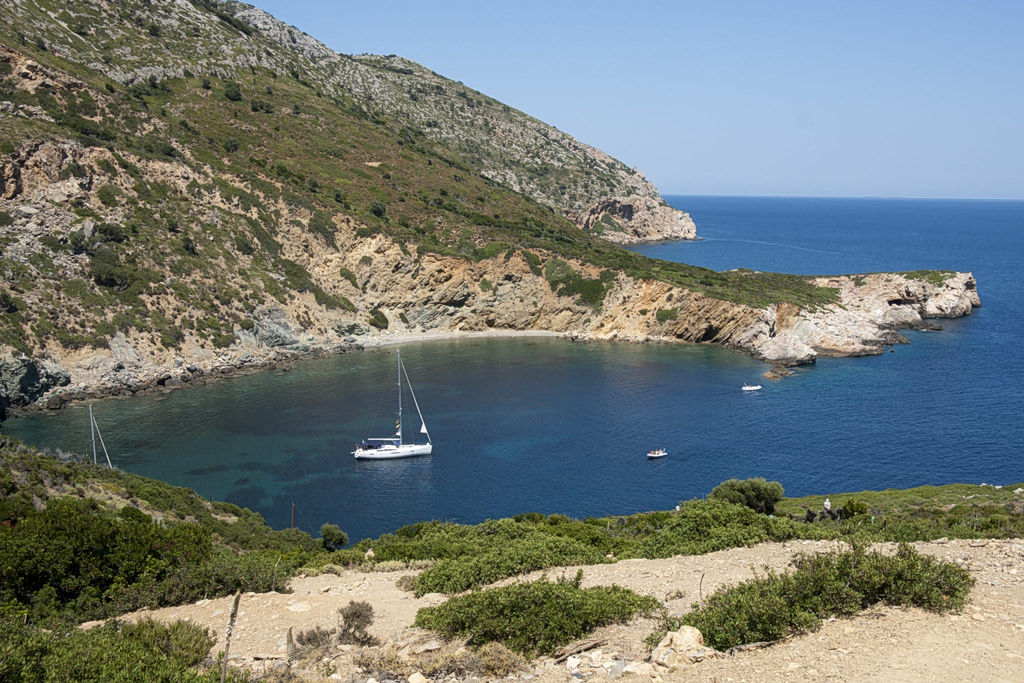
On Tinos, officials emphasize that emergency status is primarily being used as an administrative tool to fast-track desalination leasing and deployment during the tourist season. They stress that while supply is currently stable, additional capacity is needed to meet peak summer demand.
Managing Demand and Infrastructure Gaps
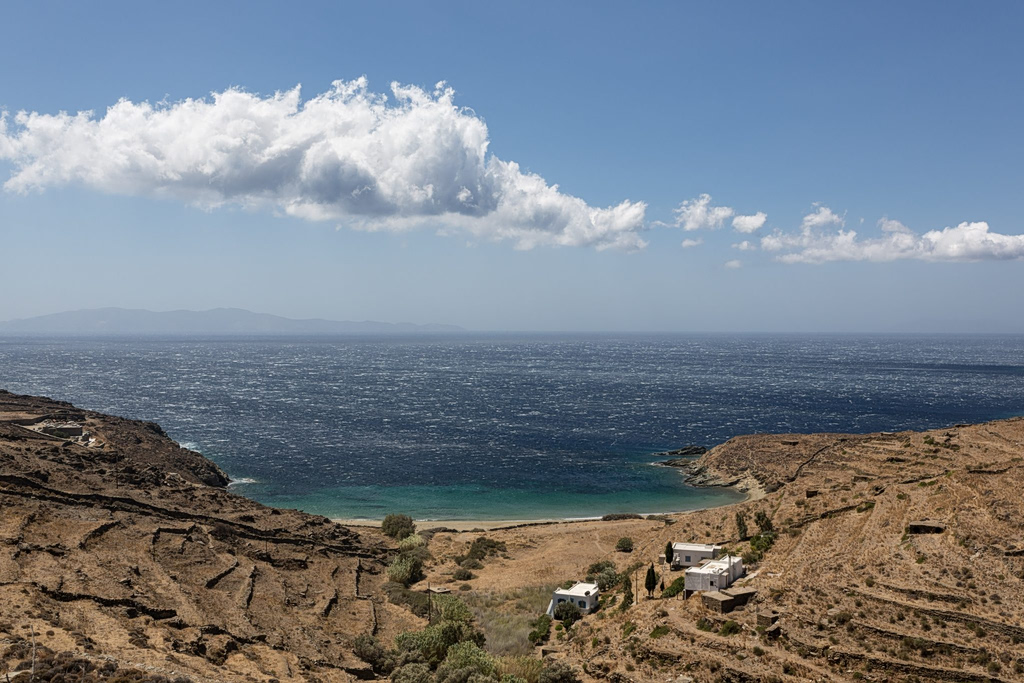 On Meganisi, water shortages have been a long-standing issue, with residents previously relying on scheduled water cuts during nighttime hours. A newly installed desalination unit is expected to significantly reduce disruptions, although officials acknowledge that demand rises sharply during the summer months due to tourism.
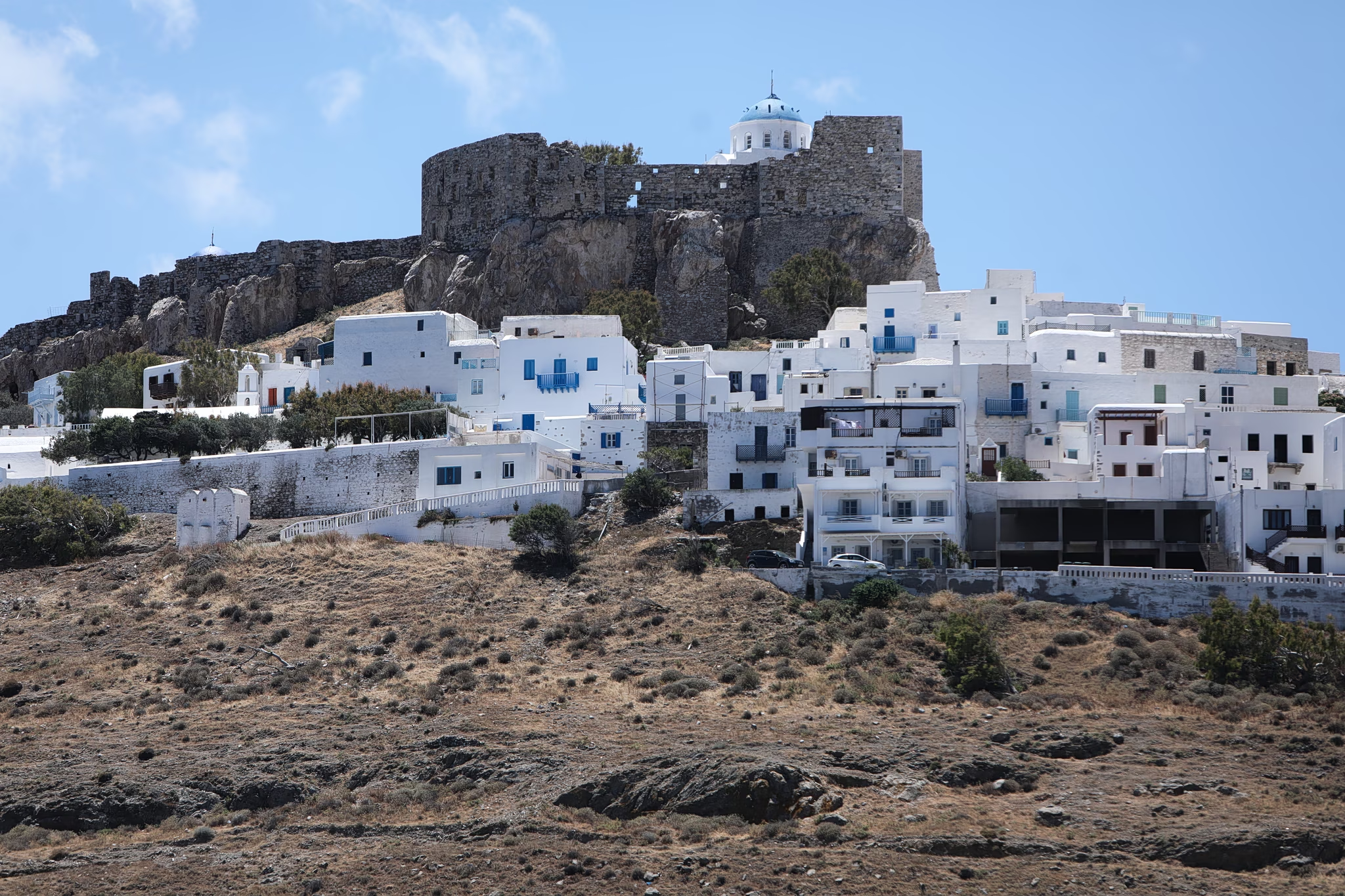
Meanwhile, in Astypalea, emergency measures have helped accelerate desalination installation, with officials saying that the system will soon support water distribution alongside existing reservoirs. The island aims to manage reserves more effectively heading into autumn.
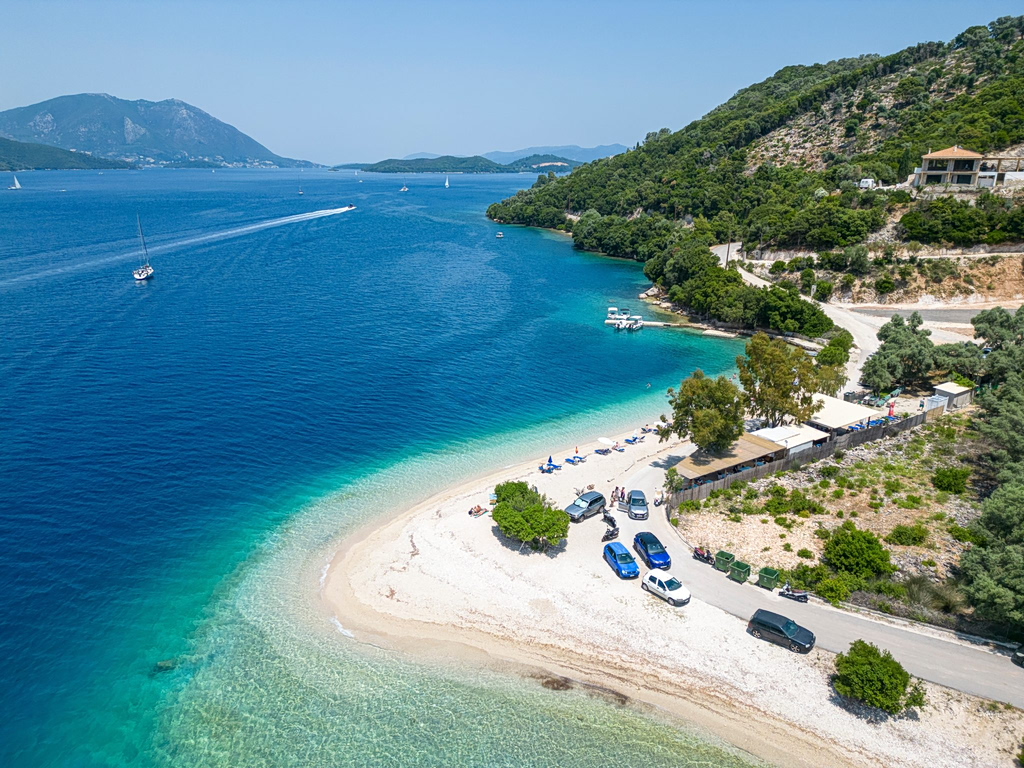
Climate Pressure and Infrastructure Losses
Experts highlight that reduced rainfall and changing weather patterns are intensifying the problem, with water often running off into the sea before it can be absorbed into underground reserves.
However, officials also point to ageing and damaged distribution networks as a critical issue. In some cases, significant volumes of treated water are lost through leaks in municipal pipelines before reaching consumers.
Authorities argue that repairing and upgrading local water networks is essential, alongside expanding desalination capacity. They warn that without urgent infrastructure improvements, long-term water security on the islands will remain under threat.
As the tourist season reaches its peak, island municipalities are racing to complete water projects and prevent shortages from worsening. While desalination technology is offering short-term relief, officials acknowledge that broader infrastructure reforms will be necessary to ensure sustainable water supply in the years ahead.