 Μake us preferred on Google
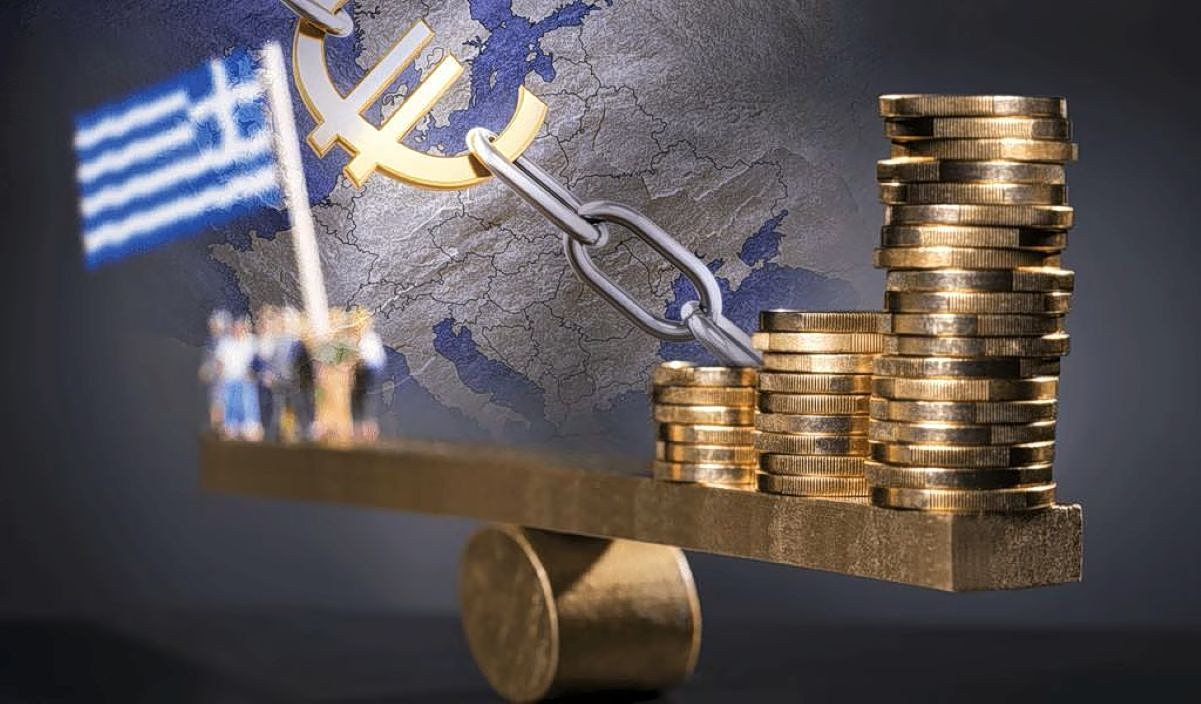
 Greece is accelerating its strategy of early public debt repayments, with two additional repayments worth a combined 4.7 billion euros scheduled before the end of 2026, following an initial transaction completed on June 15. The government’s objective is to further improve the country’s debt profile, reduce future financing needs, and speed up the decline of the debt-to-GDP ratio.
Athens is also aiming to shed its position as the European Union’s most indebted country, with projections suggesting Italy could overtake Greece by the end of this year.
According to reports, the first of the two planned transactions involves the early repayment of 2.5 billion euros in loans from the European Financial Stability Facility (EFSF), which is expected to be completed by the end of October. This will be followed on December 15 by the redemption of a 2.2 billion euros bond held by Greece’s four systemic banks that matures on that date.
These two operations will conclude this year’s early repayment program, while the government is expected to formulate its strategy for similar debt management initiatives beginning in 2027.
So far, the Greek state has raised approximately 7.75 billion euros from the markets this year, while its cash reserves are projected to exceed 30 billion euros by the end of 2026. Government officials believe the planned repayments will further strengthen Greece’s credibility among international investors and could help lower future borrowing costs.
At the same time, Greece’s public debt is forecast to fall to 136.8% of GDP by the end of 2026, down from 146.1% at the end of 2025, according to the country’s Medium-Term Fiscal Strategy submitted to the European Union by the Ministry of National Economy and Finance.
Looking further ahead, the next major milestone will be reducing public debt below 100% of GDP, a target now expected to be achieved between 2033 and 2034. Greece’s latest debt sustainability analysis also remains positive even under a highly adverse scenario in which long-term economic growth slows to between 0.4% and 0.8%, underscoring the resilience of the country’s fiscal outlook.