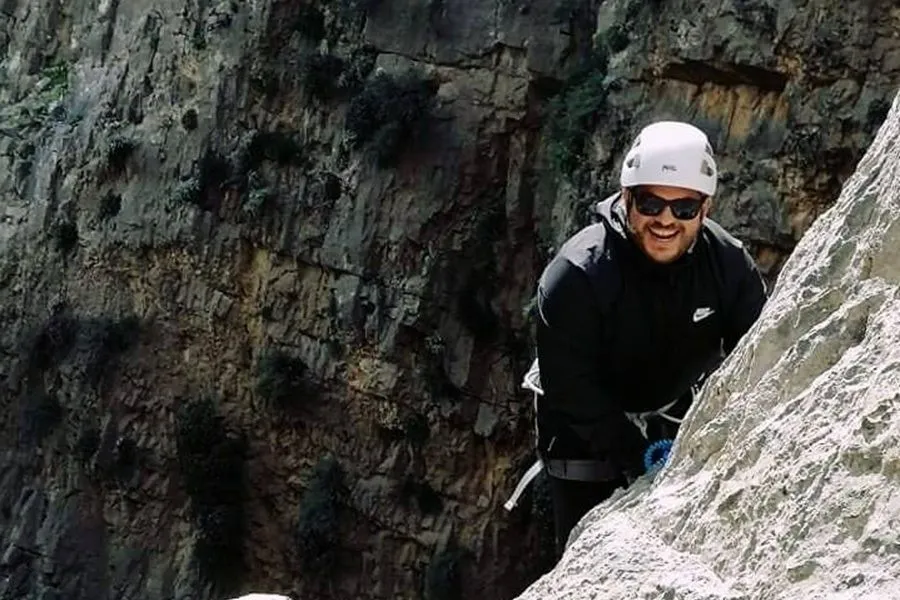
A 37-year-old man from Crete lost his life during a solo hike in a remote mountainous area after a complex rescue operation that lasted more than a day. The hiker, identified as Stelios, had been exploring the rugged Asterousia Mountains on Sunday when he was injured while descending the steep Amba Gorge. Members of the rescue team saying he may have survived had help reached him earlier. Stelios, collapsed in the hands of rescuers after suffering serious injuries.
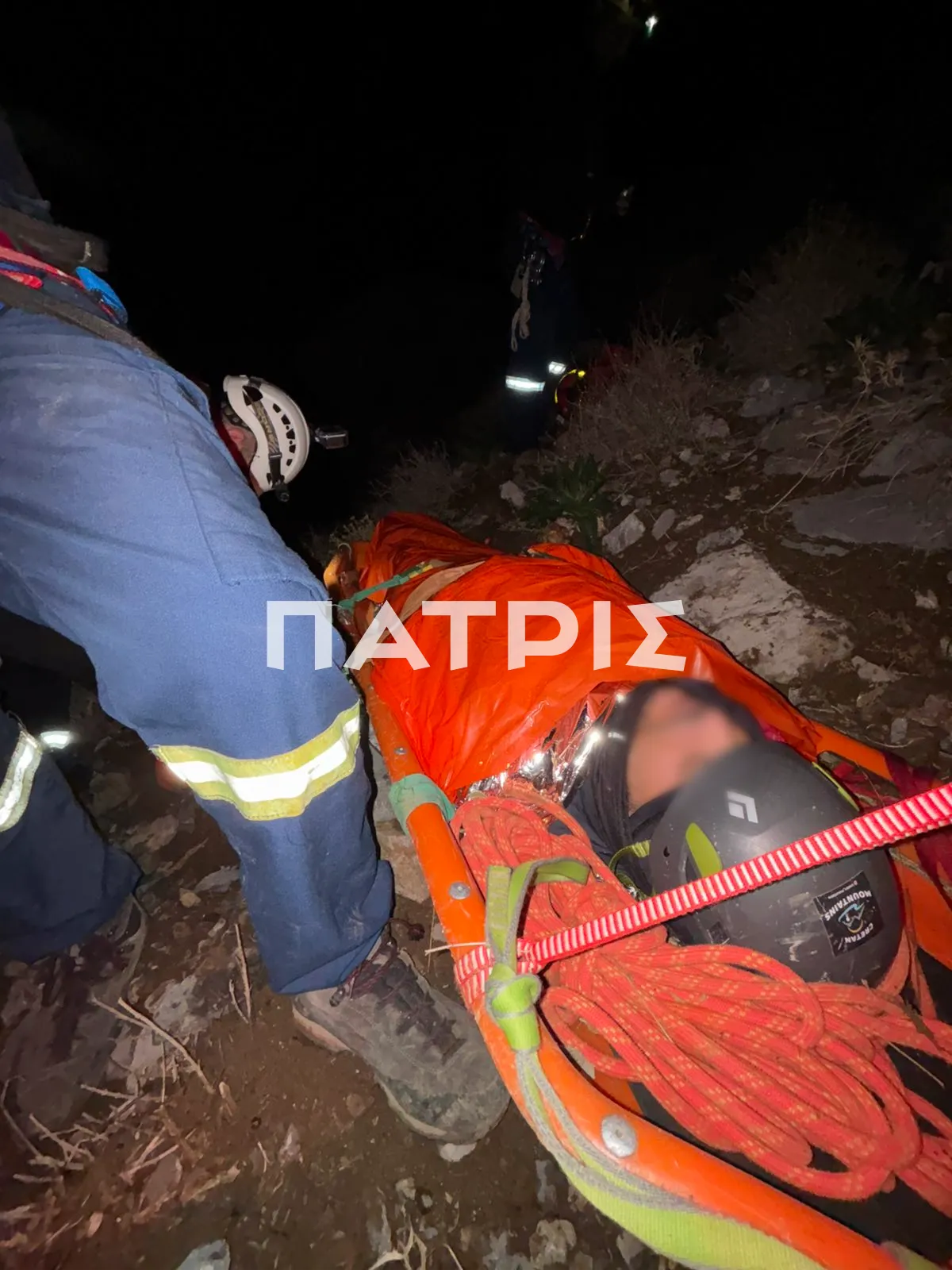
The incident occurred on Sunday, when Stelios, an experienced nature lover, became injured during a canyon descent. He managed to call emergency services, reporting intense pain in his ribs, kidneys and legs, as well as severe cold. Rescue teams launched a major operation that stretched from Sunday afternoon to Monday evening.
Rescuers Struggled to Reach Him
According to emergency responders, the initial information received by authorities was inconsistent, complicating efforts to locate him quickly. At first, they were told he had died; later, that he was unharmed. Incorrect location details also reportedly contributed to the delay.
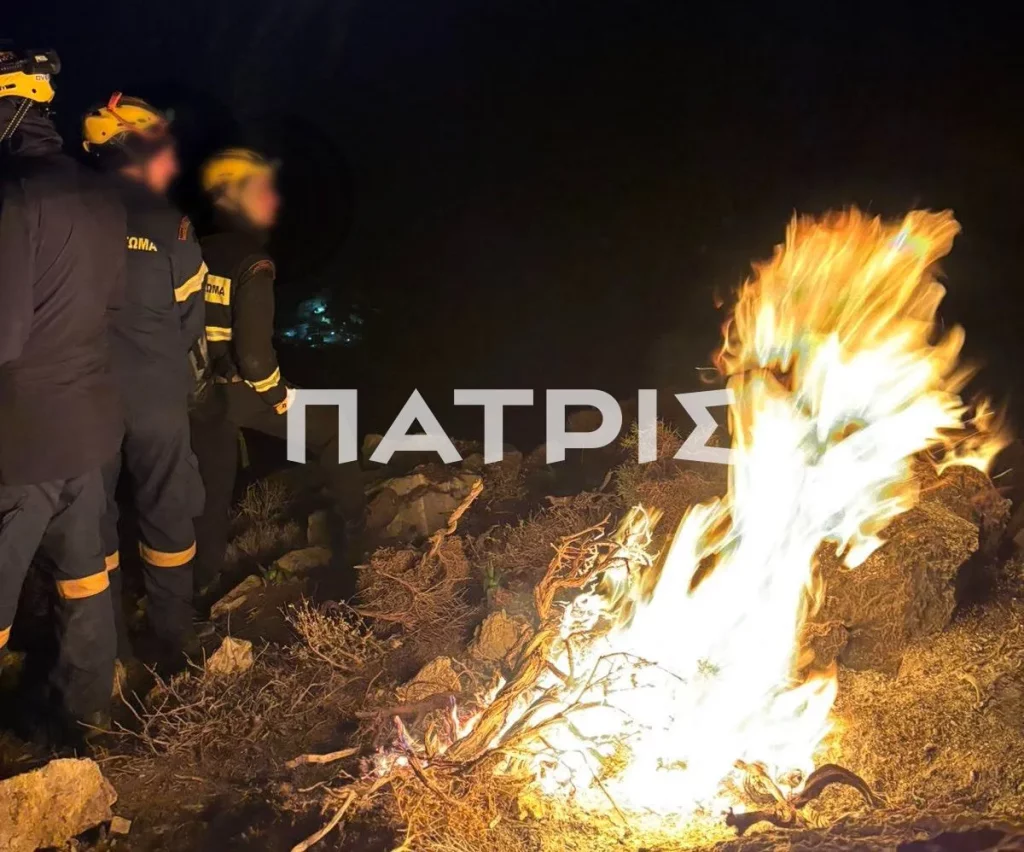
By the time the first crews reached him, Stelios was still conscious but in visible distress. Rescuers lit a fire to warm him, wrapped him in blankets and attempted to keep him responsive. They administered CPR and encouraged him to keep fighting, but he repeatedly said he was cold and in pain.
Helicopter Support Came Too Late
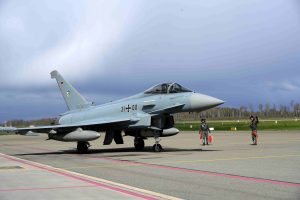
A Super Puma rescue helicopter was requested early on, but it did not arrive at the initial stages of the operation. Rescuers later said that if air support had reached the area sooner, the man might still be alive. When the aircraft eventually attempted to approach the site on Monday morning, the gorge’s harsh terrain made access impossible.
Ground teams from the fire service, a specialized mountain rescue unit and forest commandos spent hours navigating the narrow and treacherous gorge before finally retrieving him. When they brought him to an accessible point for ambulance transport, he showed no signs of life.
Community in Mourning
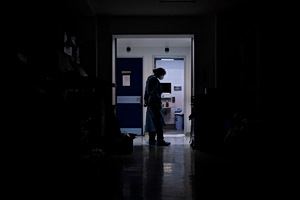
The death of the 40-year-old, who was reportedly working as a school nurse, has deeply shaken the local community, as well as the rescuers who fought to save him. Many expressed sorrow—and frustration—over the possibility that he “could have been alive” had the operation unfolded differently.
The tragedy has reignited concern over the challenges of emergency response in Crete’s rugged wilderness, where rescue efforts often hinge on difficult terrain, limited access and swift coordination.