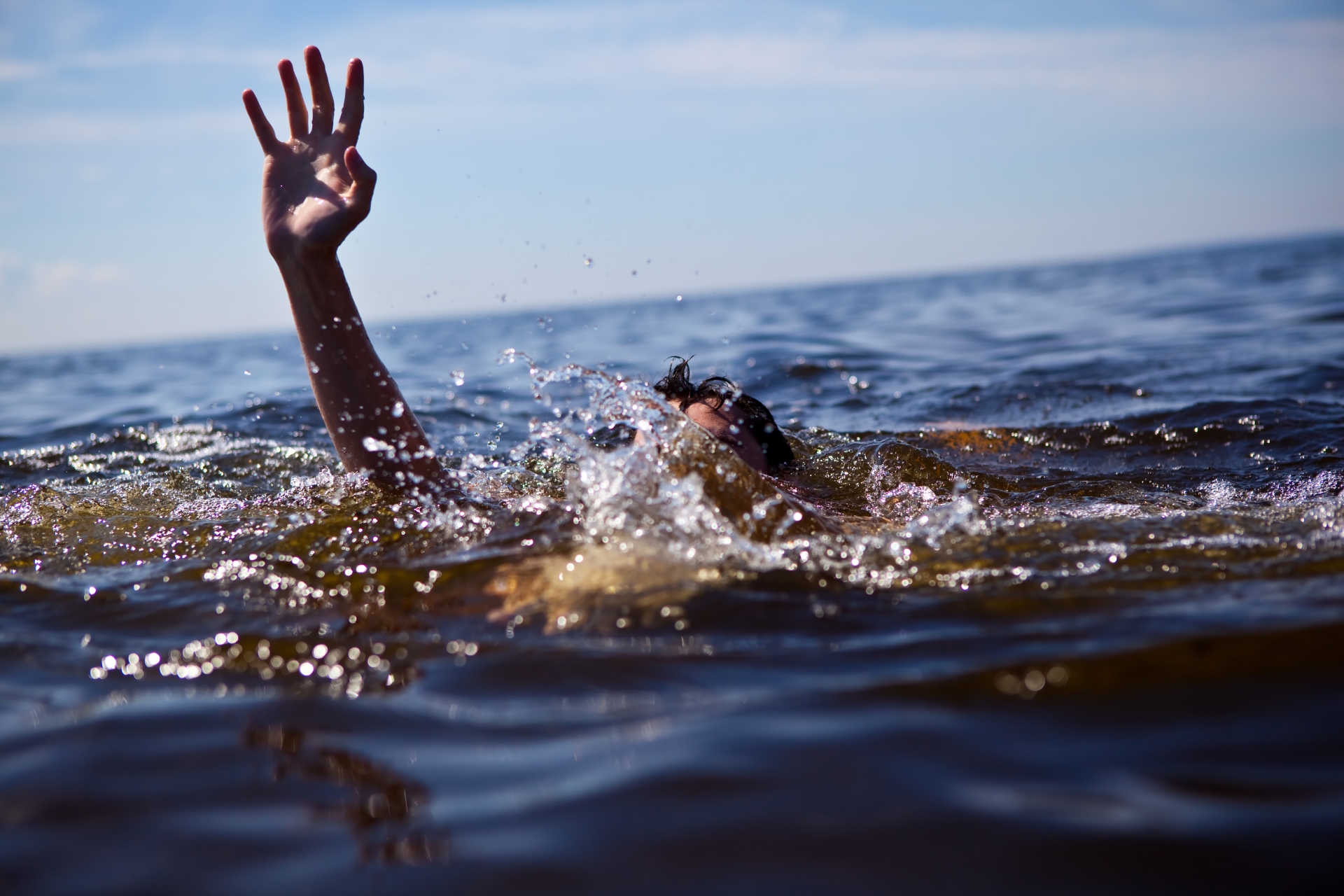
Despite the peak of the summer season and beaches across Greece drawing thousands of visitors, a significant portion of the country’s coastline remains without lifeguard coverage. Three out of ten designated lifeguard positions are currently vacant, with the shortage sparking growing concern among professionals and local authorities. Tragically, 137 people have already lost their lives in Greek waters since the start of 2025.
Understaffed Beaches Amid Tourist High Season
The President of the Hellenic Lifeguard Schools Association, Marios Myronakis, revealed that lifeguard coverage across Greece currently stands at around 70% of allocated positions. This figure does not refer to the number of beaches, but to the 930 lifeguard posts required based on beach size and visitor traffic. Some beaches may need only one post, while others require 15 or more, depending on their characteristics.
While there has been some improvement since last month, many popular destinations remain under protected. Examples include the northern and central regions of Corfu and the area of Marathonas in Attica, where lifeguard operations only began this week. As for Karpathos island, it’s still unclear whether proper contracts or staff placements have been secured.
Alarming Number of Drownings
Of the 137 deaths at sea this year, 63 have been confirmed as drownings. An additional five were attributed to health-related causes, while investigations are ongoing for 69 cases. Among the victims, 86 were Greek nationals and 51 were foreign visitors. Most victims were aged 70 and over (89 cases), followed by those aged 18 to 59 (31 cases), and 60 to 69 (16 cases). One case remains unidentified.
These statistics underscore the critical need for comprehensive beach safety measures, particularly as tourism and beach activity intensify during the summer months.
Mobile Phones and Lack of Vigilance
Beyond staffing issues, behavior at the beach plays a crucial role in safety outcomes. According to Nikos Giovanidis, Director of the Hellenic Lifeguard Academy, many swimmers fail to follow basic safety rules. One major factor contributing to preventable drownings is distraction—especially from mobile phones.
Speaking on MEGA TV, Giovanidis stressed that “the mobile phone is our biggest enemy when it comes to observation. People stop paying attention to those around them.” He added that most drownings occur within the first 6 to 7 meters from the shore—areas where lifeguards or alert companions could potentially intervene.
A Call for Action
With lifeguard coverage still insufficient and fatalities mounting, experts and local communities are urging faster action. Ensuring that all designated posts are filled and encouraging swimmers to remain vigilant and follow safety rules are now top priorities.
In a country with some of Europe’s most visited coastlines, the combination of under preparedness and complacency poses a growing risk. Authorities are being called upon to not only address immediate gaps in lifeguard staffing, but also to promote awareness about personal responsibility and the hidden dangers of the sea.