Travel activity for the May Day holiday is proving subdued, according to data from travel agencies affiliated with Greece’s Federation of Travel and Tourist Agencies (FedHATTA). The market is showing no unified momentum, with significant differences depending on destination and type of trip.
Industry representatives report that the cautious sentiment seen during the Easter period is continuing, with travelers becoming more selective—particularly when it comes to longer trips or those with higher overall costs.
Mainland destinations gain ground
Domestic travel trends are mixed, but some travel agencies are recording a noticeable increase in bookings compared to last year, in some cases reaching up to +44%. This growth is largely concentrated in mainland destinations, where travelers are favoring road-accessible and more budget-friendly options.
Popular choices include the mountainous villages of Zagorochoria, the Tzoumerka region, as well as the towns of Nafplio and Preveza. These locations are attracting visitors seeking shorter, more manageable getaways without the added cost and complexity of island travel.
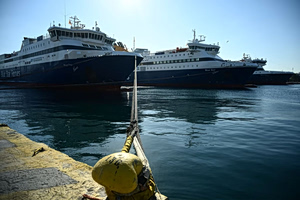
A key factor influencing this shift is the limited ferry schedule during the period, which makes short island trips less convenient and increases overall travel expenses.
Island and overseas trips under pressure
While some domestic destinations are performing better, overall mobility within Greece remains modest. Rising prices and household budget constraints are keeping demand in check across many areas.
Travel abroad is showing an even sharper slowdown. Some agencies report a decline of up to -30% compared with the same period last year. Despite this drop, interest persists for selected European destinations, including the French Riviera, Scotland, Croatia, Alsace, and northern Italy’s lake region. Istanbul also remains a popular option, along with road trips to Lake Ohrid.
Industry outlook
FedHATTA president Lysandros Tsilidis described the market as “careful and selective,” noting that travelers have not stopped planning trips but are clearly adjusting their behavior.
He pointed to rising costs, international uncertainty, and the fact that the holiday does not create a uniform long weekend for everyone as key factors limiting demand. According to Tsilidis, mainland and road-accessible destinations are benefiting from greater flexibility and more controlled expenses, while international travel remains more restrained as the industry awaits clearer signals for the summer season.