 Μake us preferred on Google
 There is something almost defiant about the way Greeks celebrate the first of May. Not the labor movement’s May Day, though that is observed too, with its annual demonstrations and political rallies. But the older celebration, rooted not in politics but in the simple fact that spring has arrived and winter is retreating.
Across Greece, you will find groups of people, old and young, on any patch of greenery they can find. To pick wildflowers and weave them into a wreath.
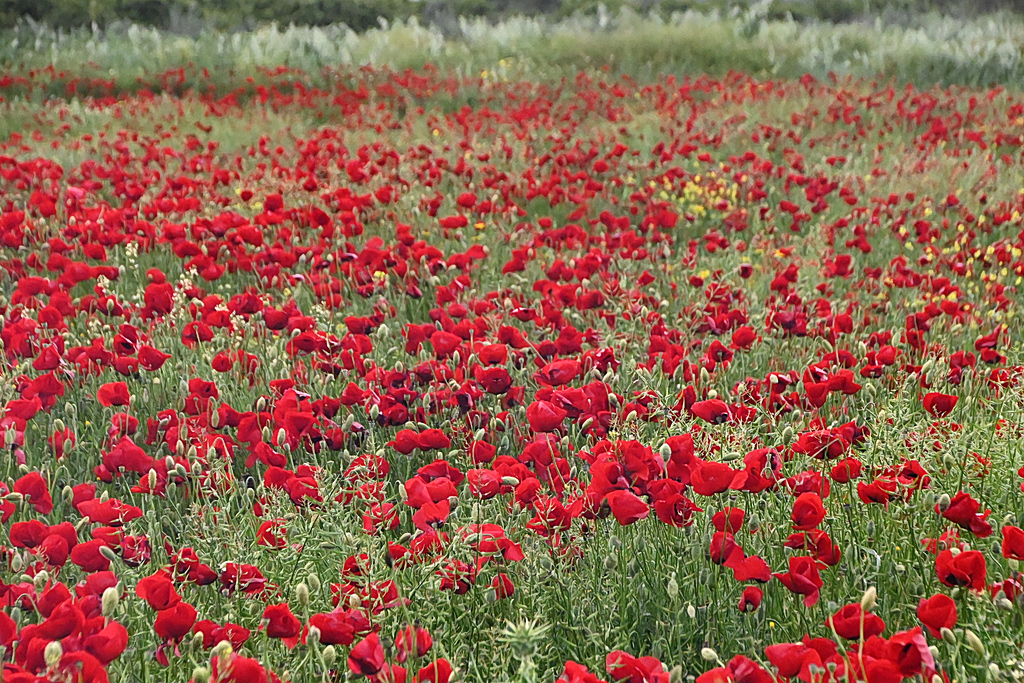
The May wreath, known as the stefani, starts simply enough: a pliable branch of grapevine or cornelian cherry wood, bent into a circle and threaded with whatever is blooming — chamomile, daisies, the red poppies that cover the Greek countryside every spring. It is hung on the front door or balcony wall, where it stays until June 24, the feast of St. John the Baptist, when tradition demands it be burned.
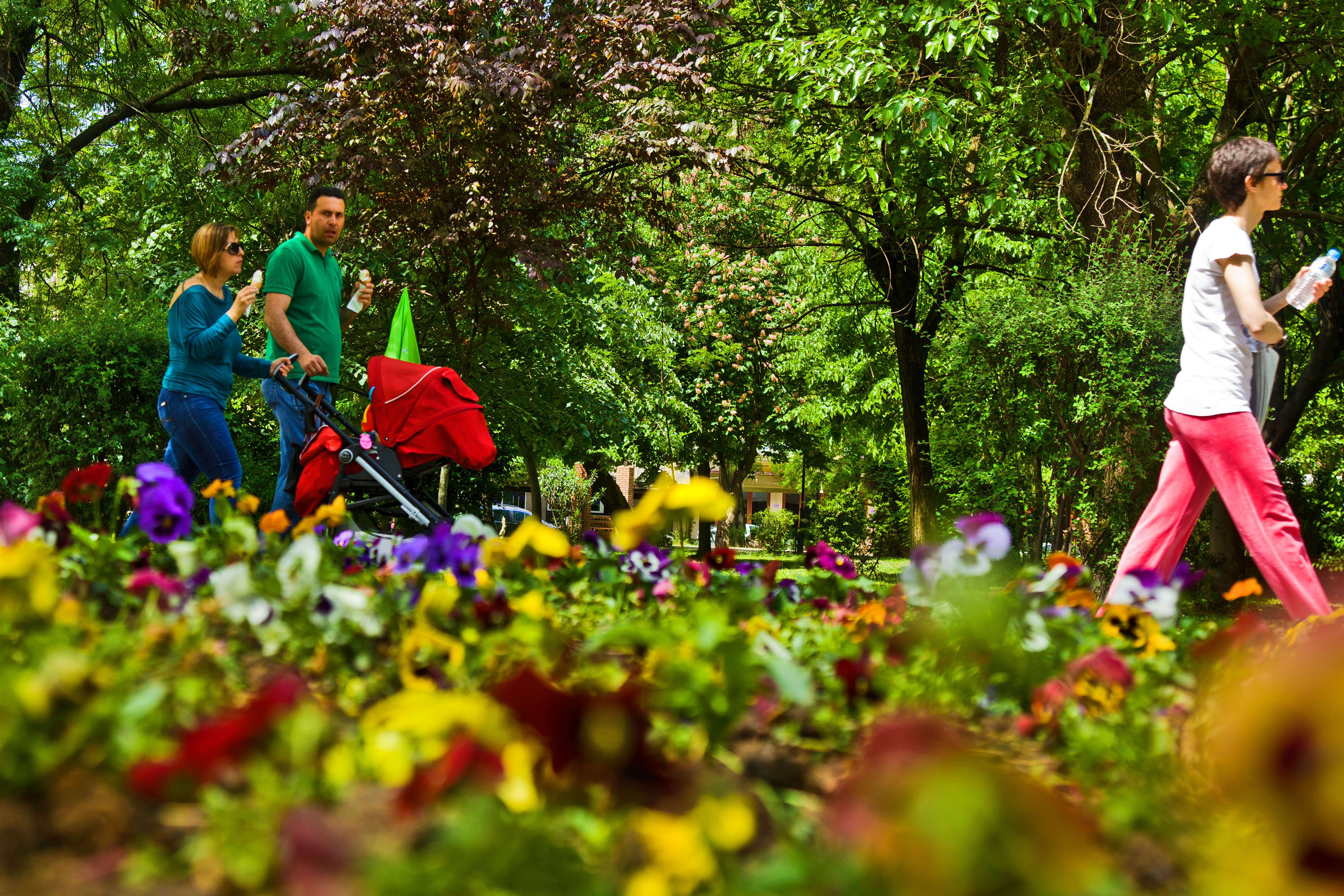
May Day – Springtime snapshots in Argolida, (Vasilis Papadopoulos / Eurokinissi)
It is one of the oldest continuous folk traditions in the country, and one of the few with no connection to the Orthodox Church. At its core, the May wreath has always represented the victory of life over death, of summer over winter; a declaration, woven in green and color, that the cold and the dark have been beaten.
What goes into the wreath
In rural Greece, where these customs have changed little over centuries, the flowers in the wreath were almost incidental. What mattered was everything else woven alongside them: branches from almond, fig and pomegranate trees for abundance; wheat and barley stalks for a good harvest; garlic and onion to ward off the evil eye. On Serifos, nettles. In communities with roots in Asia Minor, a thorn for enemies and a sprig of grain for a full season.
Regional variations abound. On Lesvos, in the hill village of Agiasos, a wild herb called demonaria is added — its stated purpose being to bewitch future sons-in-law. In the Dodecanese, a flower called anoichtomatis, meaning “open-eyed,” is woven in for luck and health. On Corfu, the wreath gives way to the Magioxilo — a cypress trunk decorated with flowers, ribbons and seasonal fruit, still carried through the villages on May morning by youngsters in white shirts, singing.
The long roots
In the ancient month of Thargelion — roughly equivalent to May — Greeks celebrated the Thargelia, a festival honoring Apollo and the Hours, goddesses of the seasons. At its center was the eiresione: a green branch hung with figs, small loaves, and flasks of wine, oil and honey, carried in procession and then fixed to the doors of temples and homes for the rest of the year. Early Greek May wreaths were made not with flowers but with fruit-tree branches hung with onions and garlic — the eiresione carried forward, almost unchanged, into the Christian era.
Others trace the celebration to the Anthesteria, festivals of renewal tied to the myth of Persephone, who descended to the underworld each winter and returned each spring to bring the earth back to life. The cycle of her departure and return is, in essence, what the wreath commemorates.
What persists
In parts of Western Macedonia, children still gather oak branches at dawn and dance on the hillsides to “catch the May.” Women collect medicinal herbs and a white clay believed to treat skin ailments. In Florina, locals climb a hill at sunrise, weave wreaths on the spot, and invoke St. Jeremiah to clear their homes of snakes and mice. In certain villages, the night before May Day is marked by bonfires lit at sunset, with women circling in traditional dances before carrying embers home.
The May wreath has outlasted the gods it was made for and several centuries of a Church that tried, with limited success, to absorb it into the Christian calendar. That it survives at all is answer enough.
So gather the flowers, bend the vine, hang it up. You don’t have to burn it in June. It looks just as good on a balcony wall well into the summer.