According to a bulletin by the country’s statistical authority (ELSTAT), the rally of food prices continued in September, with Greeks compelled, in some cases, to pay up to 50% more to put some meat on the table compared to last year.
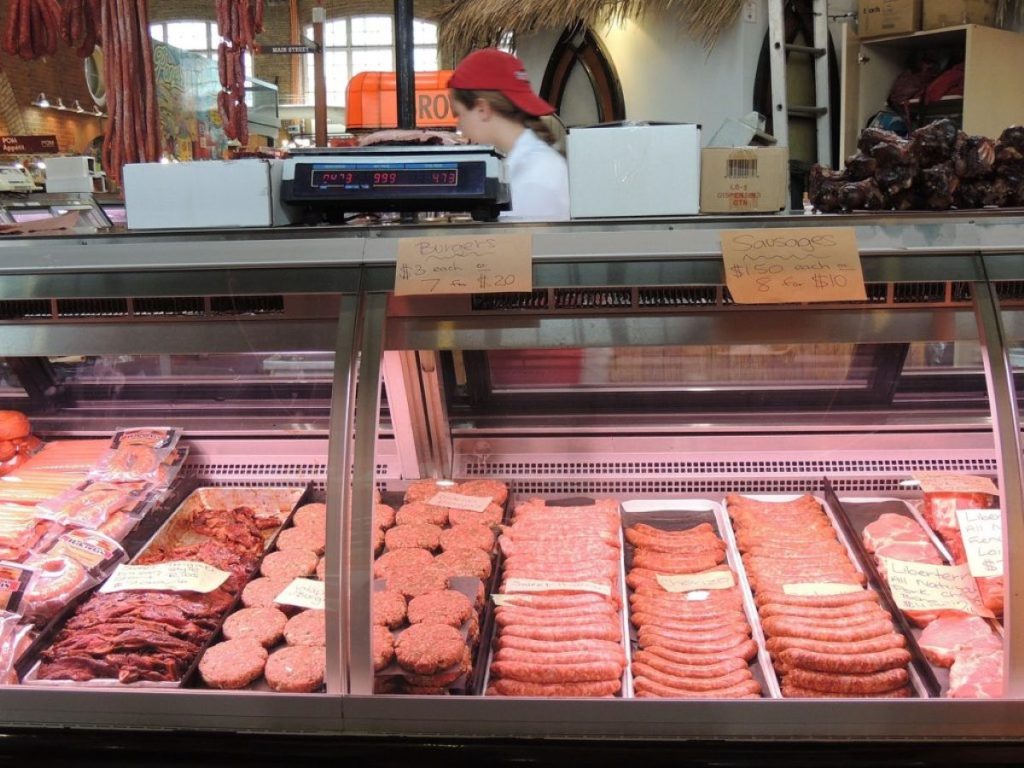
Trying to explain the reasons for the exorbitant rise in the cost of meat, a butcher with a large following on social media zeroed in on three main causes. Speaking to Mega TV, he stated that a combination of a sharp decline in livestock farming, a rise in demand for beef, a larger number of the younger generation turning their back on farming, and a lack of a targeted plan by the state resulted in rising costs.
“There were no serious efforts by the Greek state to support farming and animal husbandry, which resulted in less beef being produced,” he said.
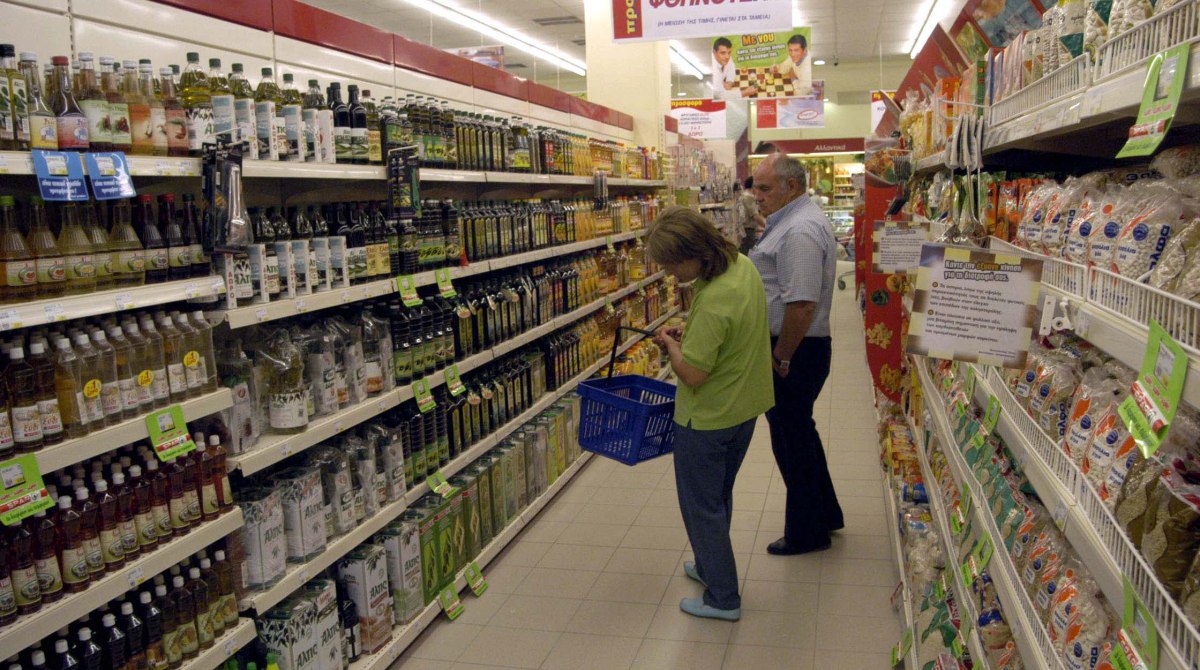
According to the head of the Research Institute of Grocery Retail Consumer Goods (IELKA), supermarket prices in Greece rose by 1% in a year, noting that while this might seem negligible at first glance, Greeks were feeling the “pain” more than the average European consumer, considering the large income disparity.
Based on the latest Consumer Price Index (CPI) data, the headline inflation rate for September fell to 1.9% year-on-year, down from a 2.9% increase recorded in September 2024. Compared with August 2025, the index rose by 0.8%, compared to a 1.8% monthly increase during the same period last year.
Despite the overall decline in inflation, food prices continued to climb sharply. Meat prices rose by 8.4%, fresh fish by 6.2%, dairy products and eggs by 3.9%, and fruit by 2.9%. The most dramatic increase was seen in chocolate and related products, which surged by 22.2%.