 Μake us preferred on Google
 Mykonos is often known worldwide for its vibrant nightlife and bustling party scene, but the island offers much more than just entertainment. Combining a cosmopolitan atmosphere with rich history, natural beauty, and genuine local experiences, Mykonos invites visitors to explore its lesser-known sides.
A Blend of Tradition and Modern Life
The main town, commonly called Chora, lies on the island’s western coast. Famous for its lively nightlife, Chora is also home to a growing number of restaurants and gourmet venues. This evolution means that Mykonos now attracts not only partygoers but also families seeking high-quality services and a welcoming environment.
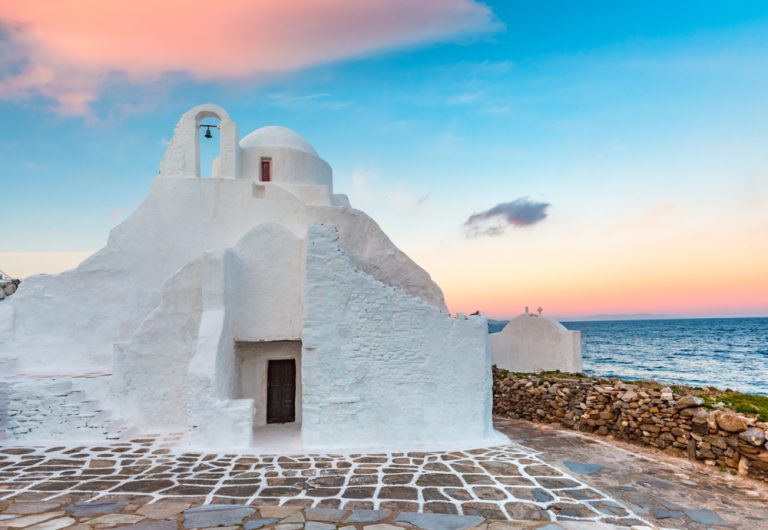
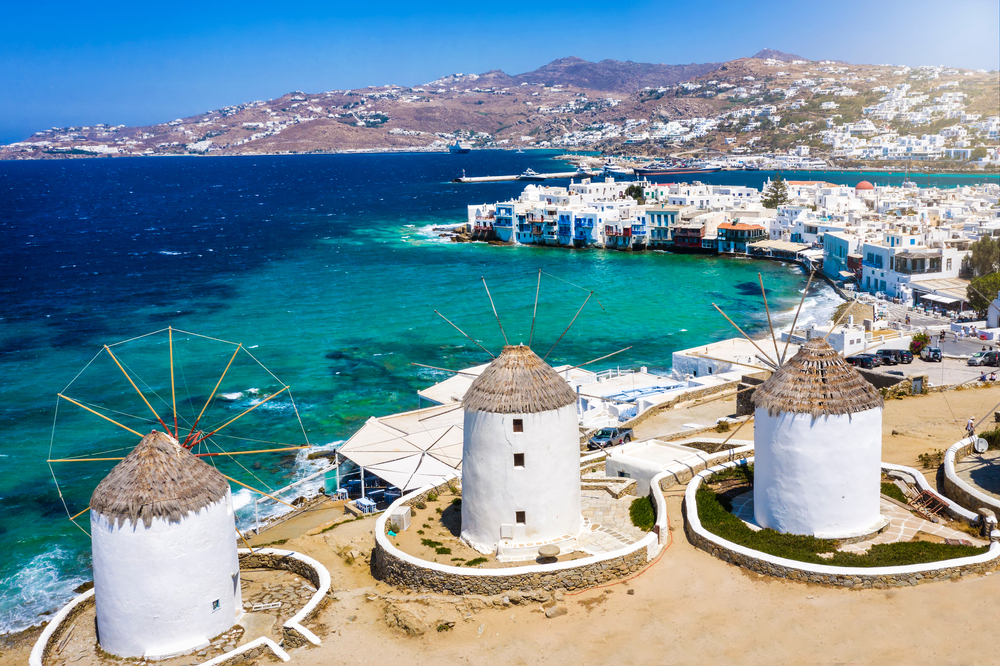
Visitors can stroll through Matogiannia street, visit the iconic windmills, or enjoy the sunset in the charming area known as Little Venice. Along the coastline stands the picturesque Panagia Paraportiani church, notable for its unique white curves. History buffs can appreciate the statue of Manto Mavrogenous, a local heroine who played a vital role in Greece’s fight for independence.
Cultural Highlights
The Archaeological Museum of Mykonos houses important finds from nearby islands, shedding light on the region’s ancient past. Meanwhile, the Aegean Maritime Museum presents artifacts related to sea navigation, including underwater antiquities, coins, and detailed models of ancient triremes.
For a quieter experience, visitors can head inland to Ano Mera, a village that retains its rural character. Here, the Monastery of Panagia Tourliani, complete with a religious museum, offers a glimpse into local spiritual life. Close by, the farm “Rizes” organizes cooking classes and folklore tours that reveal traditional Mykonian life.
Mykonos’ culinary scene reflects its diverse identity. The island features trendy restaurants blending global and Mediterranean flavors alongside traditional taverns serving authentic island dishes. Local specialties include kopanisti (a spicy cheese), various sausages, baked goods, fresh grilled fish, as well as sweets like rafiolia and almond treats.
Beaches for Every Taste
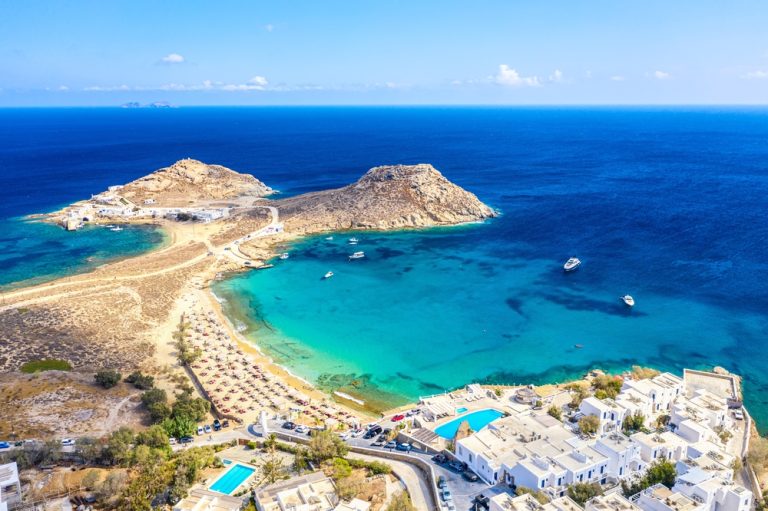
The island boasts some of the Cyclades’ most beautiful beaches, characterized by fine, light-colored sand and views of nearby islands such as Tinos, Delos, Rhenia, and Naxos. Some beaches are well-organized with parking, umbrellas, and loungers, while others remain wild and unspoiled, reminiscent of Mykonos in the 1970s.
Psarou beach is the most popular, with Kalafatis and Elia welcoming visitors interested in nude sunbathing. More tranquil spots include Myrsini and Agios Sostis. Unique is the beach at Ftelia, near an important Neolithic settlement.
Festivals and Tradition
While Mykonos hosts world-famous nightclubs like Cavo Paradiso, attracting DJs and dancers from around the globe, the island also celebrates cultural traditions. From August 21 to 26, the Xlsior Festival offers beach parties lasting until dawn, while on September 20, the 3rd Pan-European Festival of Traditional Dances “Ta Paraportiána” will bring folk music and dance to the island.
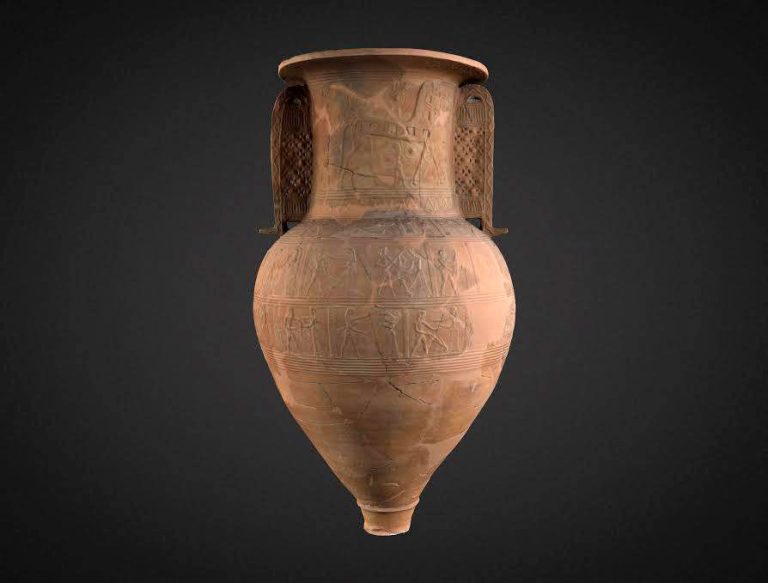
Among Mykonos’ most significant archaeological treasures is the Mykonos Pithos, a large burial jar dating back to around 670 BCE. This artifact is remarkable for its detailed decorations depicting the fall of Troy, including the Trojan Horse, fourteen Achaean warriors, and scenes showing the capture of Trojan women. Discovered in 1961 in a household well, the Pithos is now exhibited at the Archaeological Museum, connecting visitors to the island’s deep historical roots.