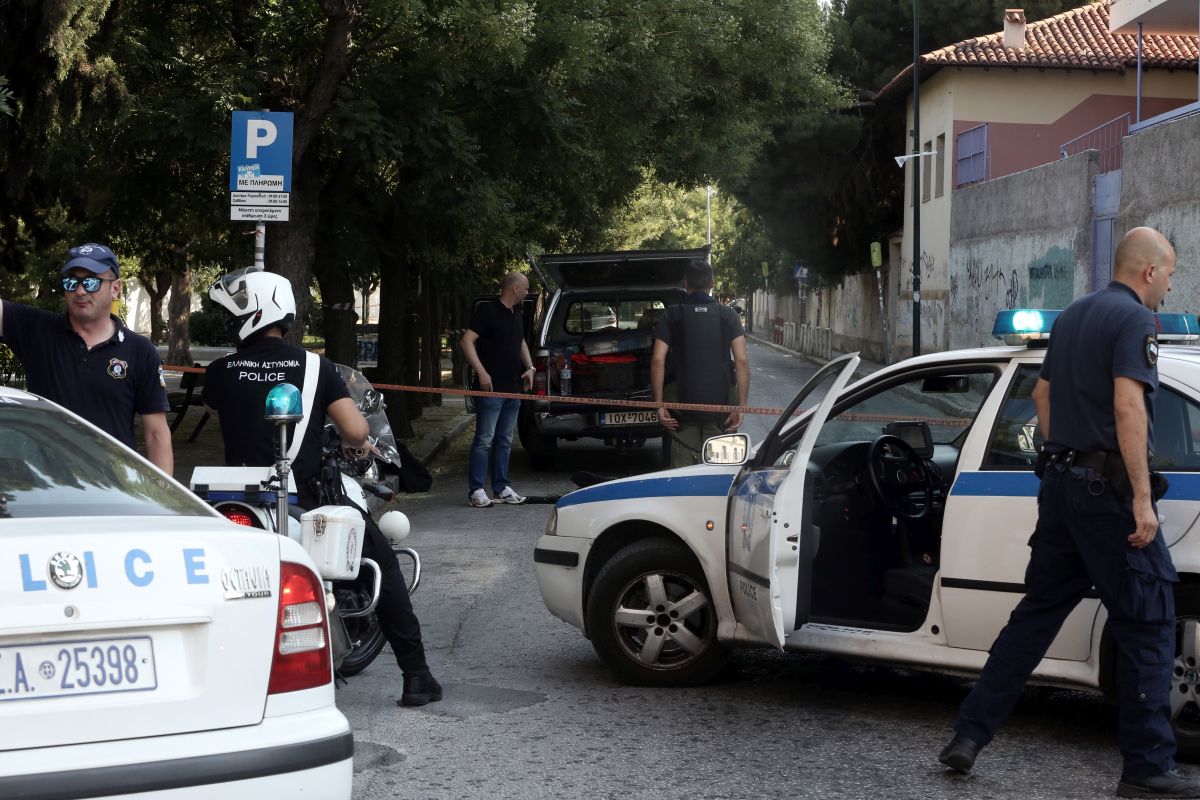
Greek police have issued detailed guidance to officers on how to respond to potential terrorist attacks in crowded areas, amid growing security concerns following the outbreak of war in the Middle East.
According to revelations by newspaper TA NEA, the instructions appear in a confidential 63-page operational document known as “Promachos”. The plan outlines how first-response officers should manage incidents involving armed attackers, suicide bombers or hostage situations.
The document emphasizes the need for officers to stay calm and avoid escalating a confrontation. “Do not try to play the hero. Accept the situation and remain patient,” the guidance says. Officers are also advised not to argue with suspects or engage in debates about their beliefs or ideology. If they encounter an armed suspect or a hostage situation, the instructions warn officers not to make promises, offer concessions or lie during negotiations. Instead, they are urged to keep the interaction as controlled and low-stress as possible and avoid actions that could increase tension.
Focus on Lone Actors and Surprise Attacks
Security officials say the new guidance comes amid heightened concerns about possible attacks following the outbreak of war in the Middle East. Authorities fear that tensions could increase the risk of sudden assaults using firearms or explosives, either by individuals acting alone — often described as “lone wolves” — or by attackers operating under instructions from foreign actors.
The plan advises officers to look for subtle indicators that someone may be carrying explosive materials. According to the document, suspicious signs may include chemical burns on clothing, stained hands or unusual odors. Some explosive substances, it notes, produce distinctive smells similar to fertilizer or petrochemicals.
Unusual behavior in crowded areas may also raise suspicion. The document notes that erratic or sudden movements within a crowd could indicate that someone is preparing to carry out an attack.
Possible Targets: Festivals to Transport Hubs
The “Promachos” plan includes an analysis of potential attack scenarios and the types of weapons that could be used by perpetrators. These range from firearms — including weapons produced using 3D printing technology — to axes, vehicles loaded with explosives and suicide belts containing dynamite.
Authorities identify numerous locations that could be targeted because they attract large crowds or hold symbolic value. These include public festivals, concerts, parades and sporting events, as well as airports, railway stations and bus terminals. Other potential targets listed in the document include restaurants, cafes, nightclubs, theaters, cinemas, hospitals, health centers, clinics, hotels and tourist resorts.
The plan also examines the possible use of vehicles in attacks. Officers are advised to pay attention to unusual circumstances surrounding vehicle rentals or signs that a car may have been modified, such as visible wiring or gas cylinders inside the vehicle.
Chaos Expected at Attack Scenes
The guidance also describes the chaotic environment that emergency responders may face in the aftermath of a major attack.
According to the 63 page document crowds may panic and rush away from the scene, while others move toward the area searching for relatives or trying to help. Injured people who are able to walk may attempt to reach hospitals or clinics on their own, using taxis or private vehicles rather than waiting for ambulances.
At the same time, emergency services could struggle to reach the scene due to severe traffic congestion. Operational and emergency call centers — including police, ambulance and fire services — may become overwhelmed or temporarily blocked by the volume of calls.
Media outlets are also expected to arrive quickly and begin broadcasting dramatic images from the scene, which the document warns could intensify public panic.
Strict Rules for Confronting Suicide Bombers
One of the most striking sections of the document outlines how officers should respond if they come face to face with a suspected suicide bomber.
If officers determine that a suspect is wearing explosives, the plan states that neutralization should only be attempted if they have the specialized shooting ability required to deliver a precise and decisive shot to the head or cervical spine, preventing the suspect from detonating the device.
The document also specifies recommended safety distances depending on the type of explosive device involved. For example, the safety perimeter for a suicide belt containing several kilograms of explosives is estimated at around 330 meters, while explosive vests may require a safety radius of about 400 meters. If explosives are carried in a bag, the potential blast radius could extend to roughly 500 meters.
If a suspect appears willing to surrender, officers are instructed to give clear commands and maintain distance. The guidance advises officers to order the suspect to keep their hands away from their body and to kneel, ensuring they cannot activate any explosive mechanism. Officers are warned not to conduct a physical search or attempt to remove an explosive vest or belt.
Even in situations where the suspect appears injured, dead or ready to surrender, the document emphasizes the need for extreme caution. A bomber who appears to be surrendering, it warns, could be attempting to lure officers closer before detonating an explosive device.
Source: TANEA.gr