With the arrival of warmer months, specialists are drawing attention to a familiar but often underestimated health risk: ticks. Pediatrician Areti Manioti and Elias Papadopoulos, director of the Laboratory of Parasitology and Parasitic Diseases at the Aristotle University of Thessaloniki’s Faculty of Veterinary Medicine, outline how these parasites behave, the dangers they pose, and the most effective ways to prevent and respond to bites.
Ticks are blood-feeding parasites found in bushes and tall grass. They don’t jump or fly; instead, they attach to passing hosts on contact. They thrive in humid areas like parks and countryside, but usually avoid sandy beaches. Experts say milder winters and environmental changes have helped them spread, making them more active in spring and summer.
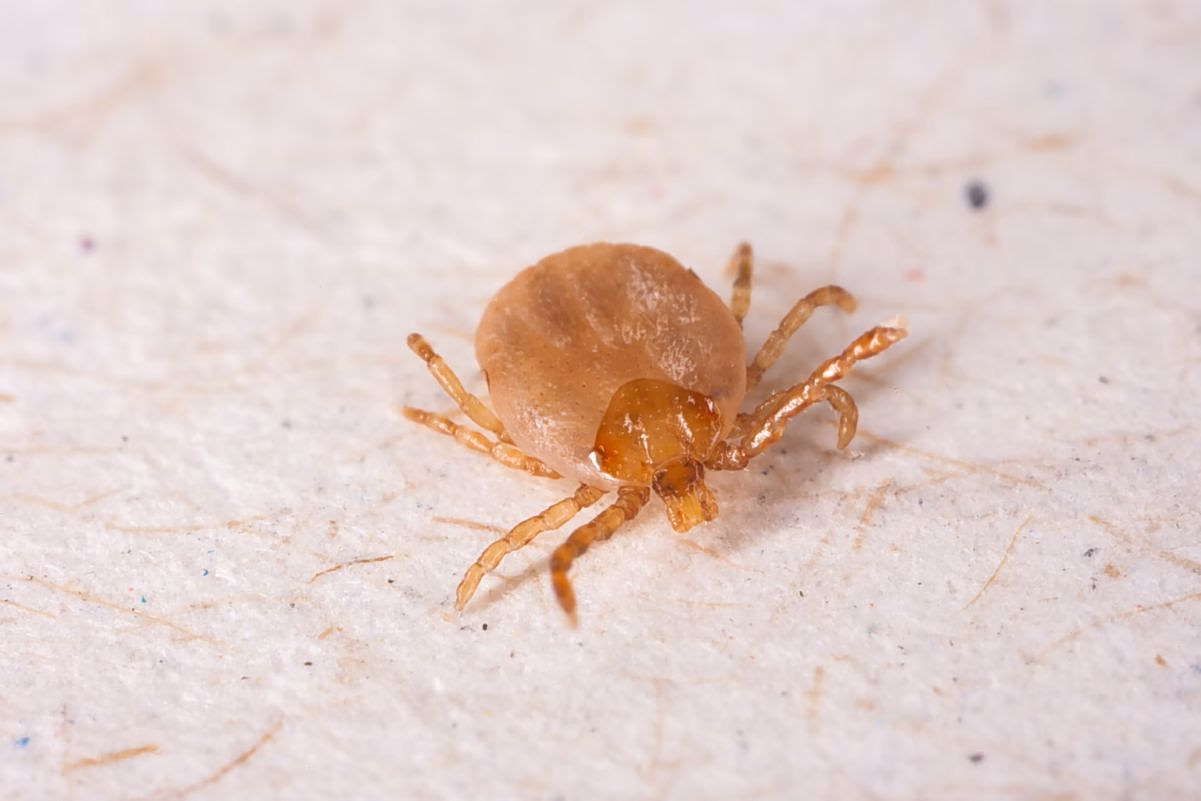
A tick bite may seem minor at first, but it can carry serious health risks. Ticks can transmit bacteria, viruses, and other pathogens that cause infections. As Manioti explains, their saliva often prevents pain or itching, so bites frequently go unnoticed until the parasite is seen attached to the skin.
Preventive measures remain the first line of defense. Experts recommend wearing long clothing and closed shoes when in natural environments, along with the use of insect repellents. Careful inspection of children after outdoor activities is also essential, particularly in warm and moist areas of the body where ticks tend to attach.
Papadopoulos adds that tick activity peaks in spring, as the parasites become both reproductively active and more aggressive in seeking blood meals. “During feeding, they can inoculate various pathogens—of different kinds, including parasites, bacteria, and viruses,” he noted.
Proper removal is essential once a tick is found. Experts recommend using fine-tipped tweezers, grasping it close to the skin, and removing it with a steady, twisting motion. Methods involving oils or chemicals are discouraged, as they may increase the risk of infection.

Even if part of the tick remains, it is usually expelled naturally, and quick removal greatly reduces infection risk. Medical attention is advised if symptoms such as fever, fatigue, or unusual rashes develop afterward.