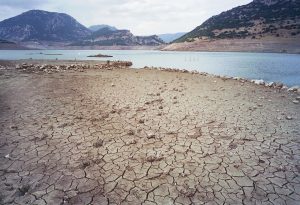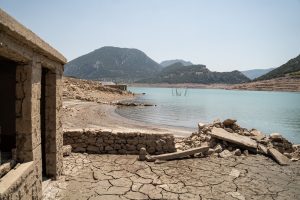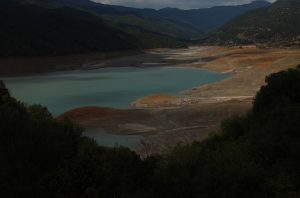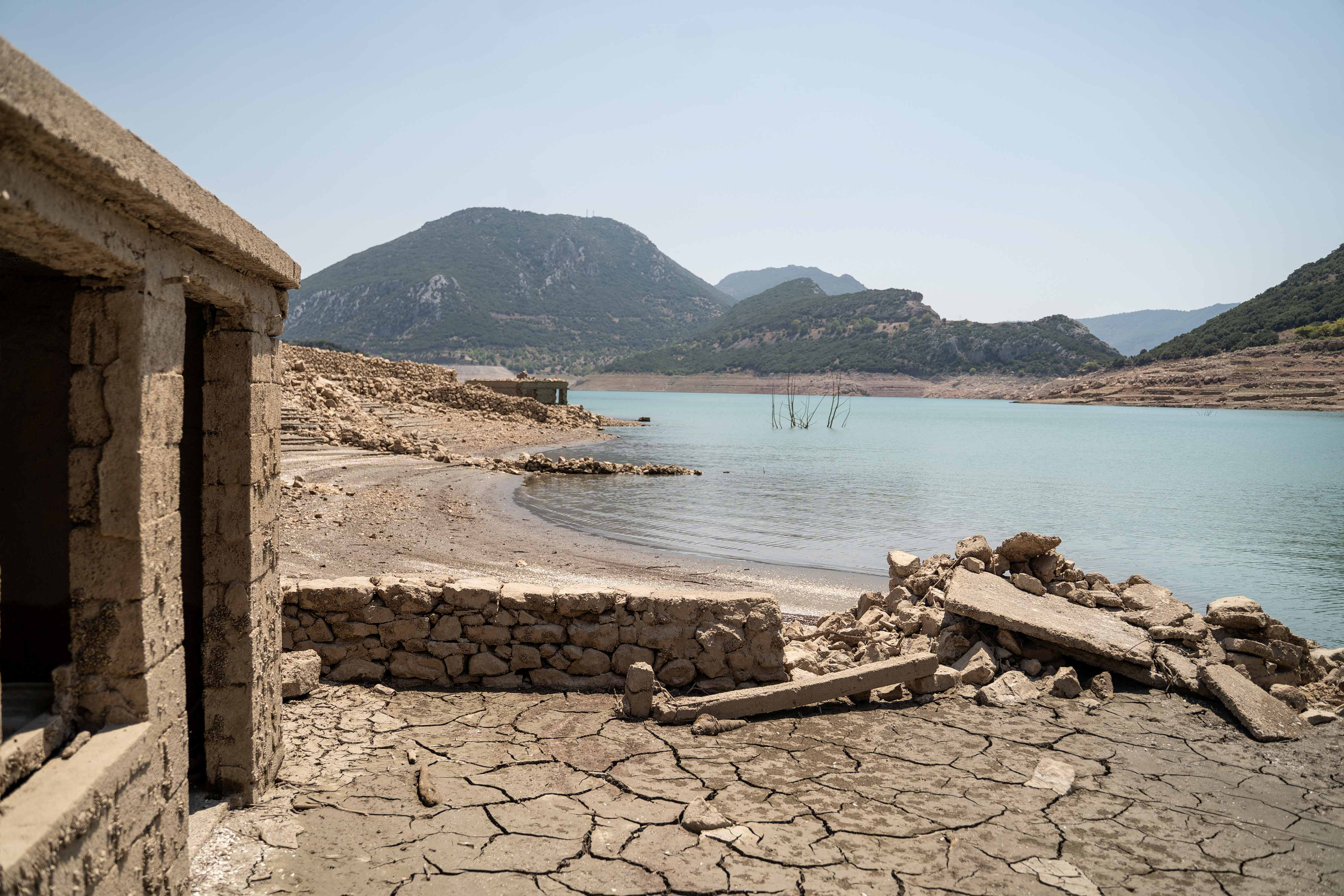
Last week’s announcement that the greater Athens-Piraeus agglomeration and the surrounding municipalities, i.e. Attica prefecture, have been placed in a “state of emergency” to prevent a worsening of a looming water shortage crisis has again highlighted the problem resulting from lower water levels in the two main reservoirs supplying the Greek capital: lakes Mornos and Yliki.
The latter have dropped to decades-old low levels, even with precipitation last month (November 2025) easily exceeded average monthly rainfall.
In fact, according to the latest figures, Mornos has lost more than 40% of its reserves over the last two years, resulting in the lake’s surface area being reduced by almost half.
At the same time, for Lake Yliki, the amount of water has decreased by 40% in the last year alone, demonstrating the severity of the problem.
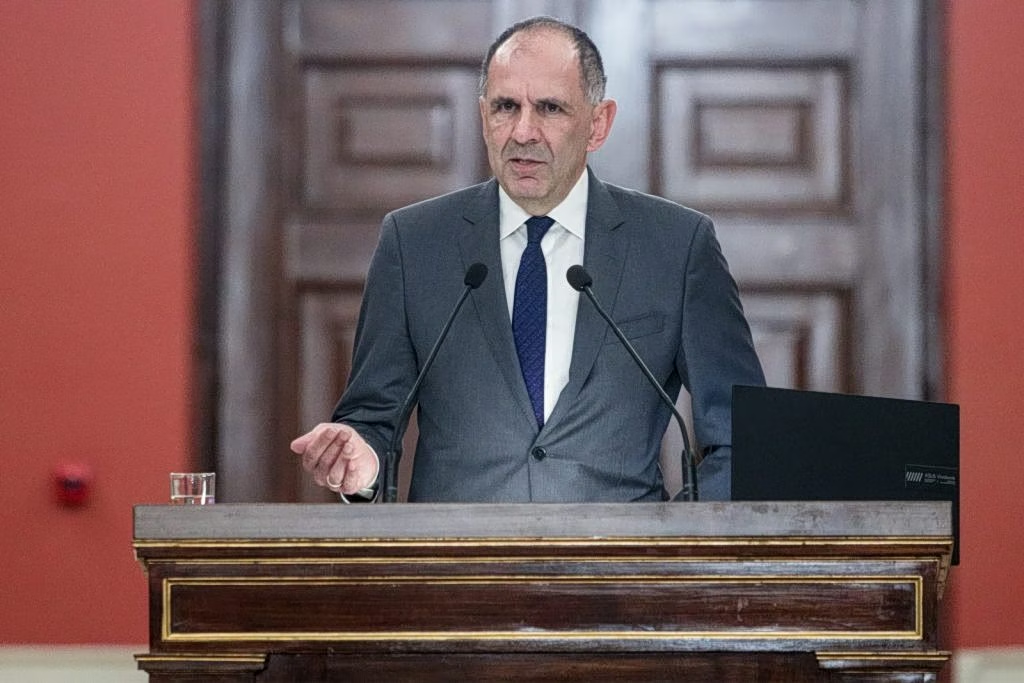
What the declaration of an emergency means in this case is that the government can accelerate projects and ensure that the needs of the prefecture – where roughly half of the country’s population resides – are covered for at least the next 30 years.
One major recent development is the announcement of a €2.5 billion investment plan by the Athens Water & Sewerage Co., aiming to strengthen the resilience of the water supply system.