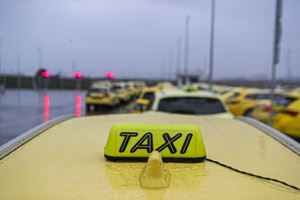
The year 2026 is shaping up to be a watershed moment for Europe’s automotive landscape. For the first time, fleets of fully autonomous taxis—operating without drivers behind the wheel—are expected to begin circulating in major cities, marking the transition from pilot testing to gradual commercial deployment.
Soon, the sight of a car pulling up to the curb with no one in the driver’s seat will no longer feel like science fiction but part of everyday urban life. The debate has shifted from whether self-driving vehicles will arrive to which cities will welcome them first—and under what conditions.
London is emerging as a leading contender. A pilot program is already planned, initially deploying vehicles with safety drivers to collect data and refine mapping systems. Full commercial operation without drivers is targeted for the second half of 2026, pending the necessary regulatory adjustments.
Elsewhere, Madrid aims to join the early adopters, with plans underway to introduce autonomous vehicles into regular service by the end of the same year. Munich is also positioning itself at the forefront through testing programs involving advanced Level-4 autonomous systems, leveraging Germany’s strong automotive ecosystem and comparatively mature regulatory framework.
Other mobility platforms are preparing similar moves, with plans to introduce autonomous electric taxi fleets across parts of Germany and the United Kingdom, pending approval from national regulators. These initiatives point toward a transitional model in which driverless vehicles will operate alongside conventional taxis on the same platforms.
European manufacturers are also entering the field, preparing production-ready electric vans equipped with advanced autonomous technology for use by transport operators, tourism services, and taxi companies.
What Changes on the Road
The most visible shift is obvious: the absence of a driver. Autonomous taxis are summoned through mobile apps and operate within defined geographic zones without human intervention during trips. Traditional taxi services, by contrast, rely entirely on professional drivers’ judgment and responsibility.
Technologically, Level-4 vehicles process real-time data from multiple sensors, enabling them to identify pedestrians, cyclists, traffic signals, and road markings while making split-second driving decisions. Supporters argue these systems eliminate risks linked to fatigue, distraction, or impaired driving—major contributors to traffic accidents.
Yet the technology remains imperfect. Early deployments will operate within carefully mapped areas and often under favorable weather conditions. Achieving safe performance in every possible scenario—from extreme weather to unpredictable human behavior—remains both a technical and regulatory challenge.
Europe also faces a unique hurdle: regulatory fragmentation. Differing national laws across EU member states create a complex environment for approvals, safety standards, and liability frameworks. Governments must resolve critical questions, including who bears responsibility in case of accidents and how to safeguard vehicles from cyber threats while protecting passenger data. Employment concerns also loom large, given the number of professional drivers working in the sector.
Innovation or Social Friction?
The arrival of robotaxis represents more than a technological shift—it signals a social transformation. Traditional taxi operators view autonomous mobility as a potential threat to jobs and income, raising the prospect of political pressure for tighter regulation.
At the same time, advocates argue that automated fleets could improve efficiency, reduce congestion through smarter fleet management, and accelerate the shift toward cleaner electric vehicles.
For the foreseeable future, the most likely outcome is coexistence. Autonomous and conventional taxis are expected to share the streets, with adoption progressing gradually under close regulatory oversight.