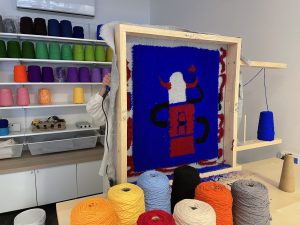
For the first time in decades, Greek handicrafts are stepping back into the spotlight—not as relics of the past, but as integral elements of a modern development strategy. From pilot educational centers for weaving, ceramics, and woodworking in rural and border regions to the new European Geographical Indications system covering both artisanal and industrial products, a new framework is emerging. Its goal: transform traditional knowledge into productive, exportable capital.
At a time when the European Union views handicrafts as a tool for regional growth, Greece is striving to reclaim lost ground. The country is investing in new training and certification programs for artisans, aiming to link local skills to the broader European market.
When the Ministry of Education announced last November that handicraft workshops would be introduced in schools, the move sparked sharp criticism in the media and on social networks. Many argued that focusing on traditional crafts—like weaving and embroidery—was a step backward, reviving an outdated model of education that runs counter to the pressing need for digital skills in the era of artificial intelligence.
Challenging the “Linear View” of Innovation
For some experts, innovation is not solely the domain of high-tech industries. Dr. Aikaterini Polymerou-Kamilaki, a senior researcher and former director of the Hellenic Folklore Research Center at the Academy of Athens, argued in a 2021 Economist article for the strategic importance of applied arts for sustainable local and regional development. She explained that moving beyond a “linear” economic view in the 21st century means combining traditional crafts and techniques with modern technologies—creating a bridge between past and present.
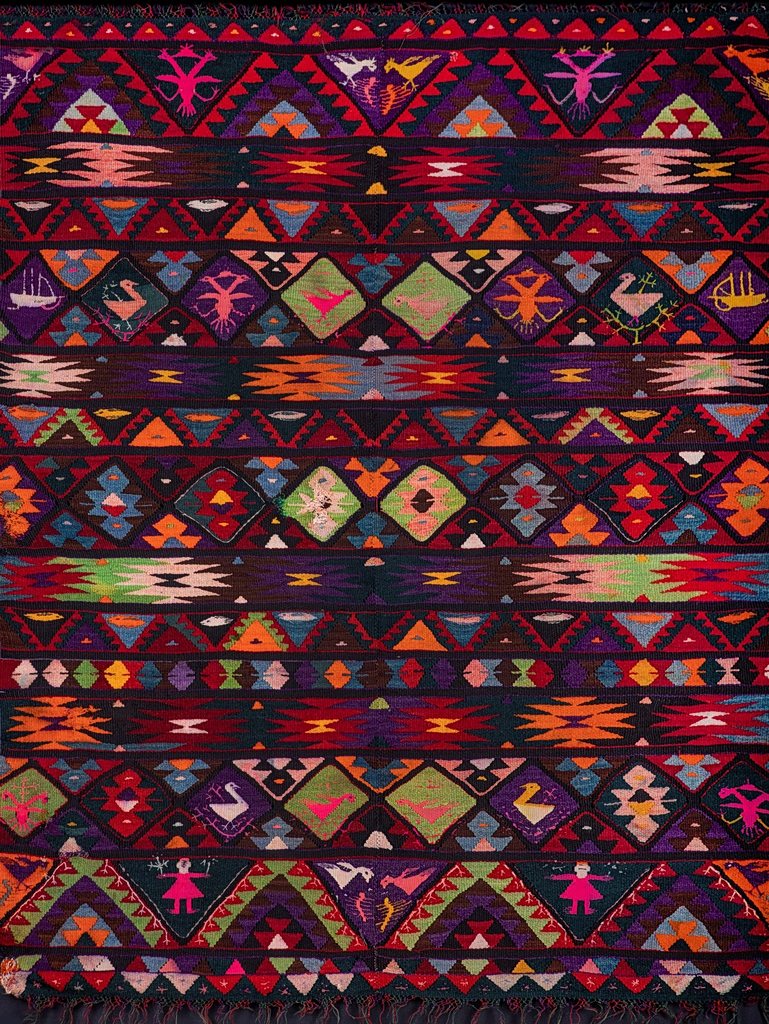
Woven textile created by the Weaving Arts Unit of the Lyceum Club of Greek Women, in Volos.
Dr. Polymerou-Kamilaki supports the Ministry of Culture’s efforts through lectures and as a member of the Council for Intangible Cultural Heritage. She welcomed the Ministry of Education’s decision to reinstate hands-on craft programs in schools. Speaking to TO VIMA, she explained:
“Handicrafts, seemingly outdated in the era of artificial intelligence, are re-emerging dynamically. They intersect with tourism, environmental protection, technological development, education, research, personal growth (entrepreneurship and artistic creation), and therapeutic and creative engagement. They leverage the cultural capital of local traditions, forming the core of UNESCO’s philosophy on Intangible Cultural Heritage. Reintroducing these crafts into education can only have positive effects.”
Europe’s Growing Focus on Craftsmanship
The EU’s renewed attention to handicrafts is evident in its new Geographical Indications system, which opened for registration last December. For the first time, a protection tool long applied to food and beverages now covers non-agricultural products—effectively completing the EU’s unified GI market. In his statement, European Commission Executive Vice-President Stéphane Séjourné emphasized the stakes not through nostalgia, but industrial strategy:
“We are not only protecting the unique skills and traditions of our artisans; we are also creating new opportunities for development, jobs, and small businesses—allowing authentic European products to thrive in global markets, strengthening local economies, EU competitiveness, and preserving our cultural identity for future generations.”
Reviving Rural Craftsmanship as a Growth Engine
The Ministry of Culture’s flagship initiative, Revitalization of Local Craft Units as a Driving Force of Development, is part of Greece’s National Recovery and Resilience Plan. Its core focus: skill-building in traditional crafts through pilot programs run over the past two years by the Lifelong Learning Centers of the Universities of Thessaly, Western Macedonia, and Western Attica. The programs operated across 19 centers in weaving (10), ceramics (5), and woodworking (4), targeting rural and remote regions.
Approximately 285 participants—professional artisans, hobbyists, vulnerable social groups, and unemployed individuals registered with the Greek Public Employment Service (DYPA)—completed the programs and are set to receive official certification from the Hellenic Accreditation System (ESYD).
One such weaving center is housed in the former Nestorio primary school in Kastoria, northern Greece—a region that hosted a carpet-making school in the early 2000s under the Hellenic Organization of Small and Medium sized Enterprises and Handicraft (EOMMEX). “Handicrafts stopped here about 15 years ago. Jobs were lost. Products are now imported, while the rest of Europe preserved its craftsmanship,” says Nestorio Mayor Christos Gosliopoulos. “Re-establishing weaving schools through this program is crucial for our remote, border communities, offering new employment opportunities, especially for women.”
A Personal Calling for Participants
For amateur artist Katerina Gouliou, the Nestorio center was almost a personal summons. “When I saw online that a program would open here, I thought, ‘This is for me.’” She describes a program that treats weaving not as a museum relic, but as a living skill. Guided by a multidisciplinary team of expert instructors, participants combined museum visits with educational exchanges.
Through hands-on workshops every Friday, Saturday, and Sunday, alongside online sessions blending tradition, fine arts, technology, and marketing, Gouliou experimented with wool, cotton, and silk, integrating traditional patterns into contemporary clothing and décor. A small community of fellow weavers emerged around the looms, inspiring collaboration and idea-sharing.
She views her upcoming certification not as a mere piece of paper, but as a stepping stone to personal and professional growth: “It opens doors. Whatever comes next, it will be something very good. Weaving has deep roots, and our generation has a responsibility to pass it on. And this art isn’t just for women—I hope men join the next cycle of the program.”
Looking Ahead with Optimism
Today, Dr. Polymerou-Kamilaki is more optimistic about the future of Greek handicrafts. Drawing inspiration from Italian models—like the ceramic village of Sassuolo in Emilia-Romagna and initiatives like Homo Faber and The Place of Wonders, which support traditional craftsmanship through scholarships—she envisions craft parks in key locations across Greece, including the Athenian Riviera, Eleonas, and Metaxourgeio.
“These hubs could turn Greece into a living showcase of traditional skills, innovation, and sustainable development,” she concludes.