Every year, the faithful of all religions travel from every corner of the globe—often covering thousands of kilometers—to visit and venerate their sacred sites. But what is it that drives millions of people to embark on such journeys, sometimes to the farthest reaches of the earth? Who are these travelers who are fueling the rapidly growing rise in religious tourism? And, perhaps most importantly, what share of this expanding global market is Greece aiming to claim?
A Journey Rooted in History
Religious tourism is not a new concept. In fact, it has its roots in antiquity and was a feature of the ancient Greek, Roman and Egyptian civilizations. From as early as 800 BC, historical evidence reveals that people journeyed to places of religious significance, such as the Oracle of Delphi, the Temple of Asclepius, or the Temple of Jupiter in Greek and Roman civilizations.
With the institutionalization of monotheistic religions such as Christianity and Islam, pilgrimages to religious sites such as the Vatican, Jerusalem, and Mecca increased during the Middle Ages and the Renaissance.
Faith Tourism in the Modern World
The figures published by the UN World Tourism Organization (UNWTO) indicate that religious tourism continues to grow every year, with an estimated 300–330 million tourists visited the world’s major religious sites over the past decade. The most popular religious destinations in the world are thought to be the Vatican City, the city of Varanasi in India, and Mecca in Saudi Arabia.
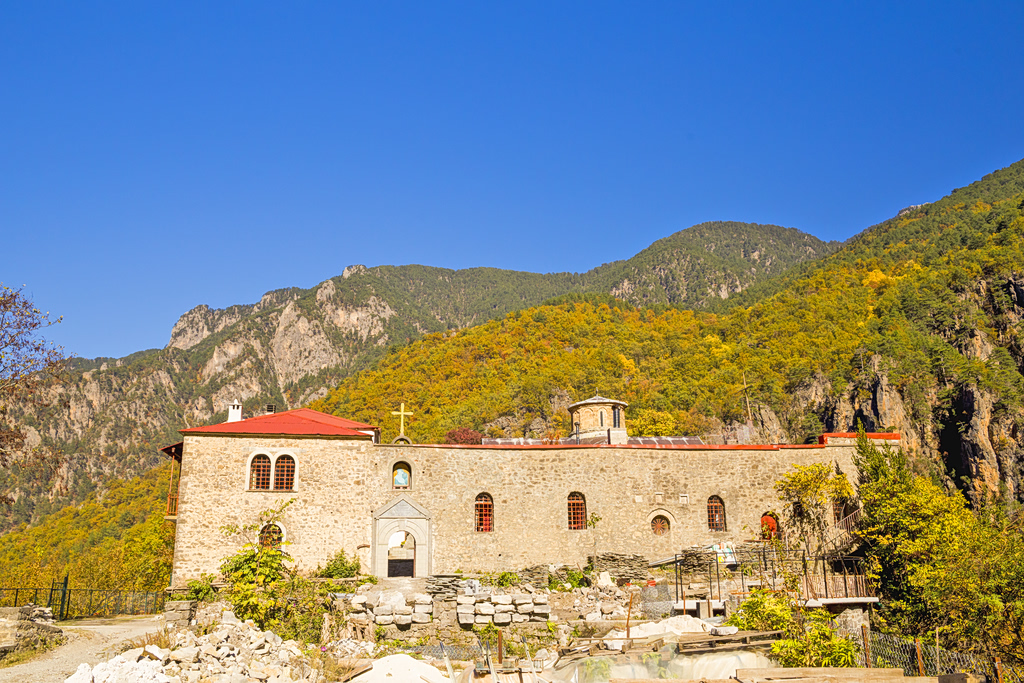
The Monastery of Stomio in Konitsa, which celebrates its feast on September 8, the Nativity of the Virgin Mary, is a male Greek Orthodox monastery accessible only by a two-hour hike from the Konitsa bridge in the mountainous northwest Epirus province.
In Greece, religious tourism has been experiencing increased demand in recent years, Papakostantinou Travel and Mystakidis Tours—two major players which have been active in the sector for decades—told TO BHMA International edition.
What is Driving the Surge in Greece
A range of drivers have fueled this recent growth. These include both broader social and economic factors–such as the human need for faith and emotional support during times of uncertainty (and with the recent economic crises, pandemics and international tensions, the last decade has certainly been unsettled) and a renewed interest in religious identity—as well as more sector-specific developments like improved travel infrastructure and the promotion of religious destinations via tourism campaigns, cultural events, and social media.
“People are increasingly seeking authentic and meaningful experiences that go beyond conventional tourism,” Papakostantinou Travel emphasized, while also citing the media as another key factor. A characteristic example mentioned is the surge in visitors to the Monastery of Saint Paisios in Souroti, Thessaloniki, following the broadcast of a TV series about the Saint’s life—“a clear demonstration of the power of media and cultural promotion in generating public interest.”
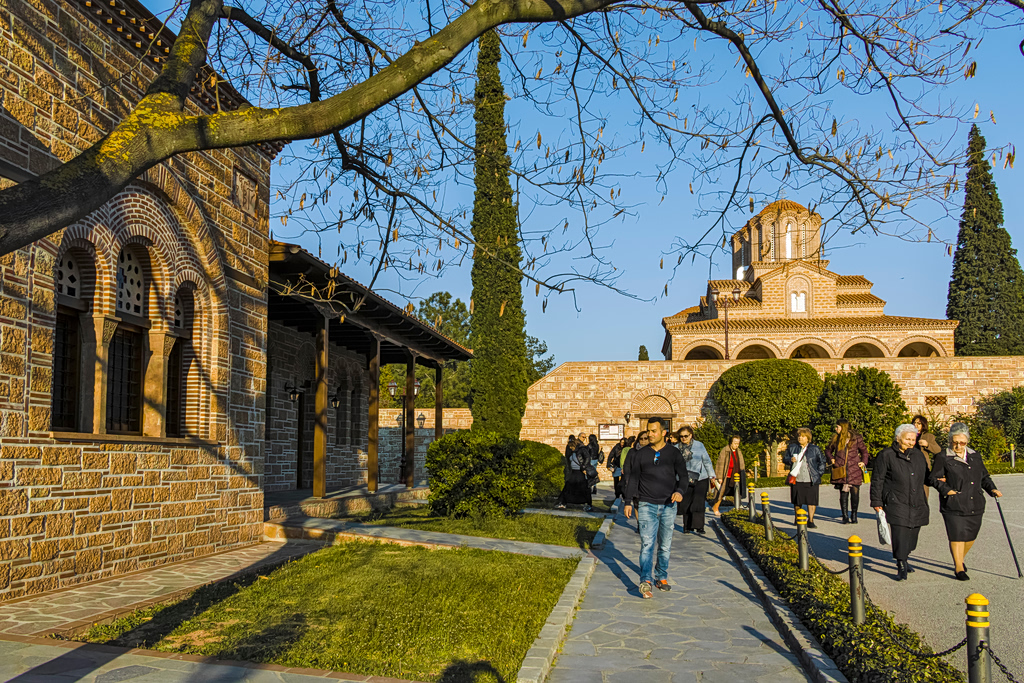
Visits to the Monastery of Saint Paisios in Souroti, Thessaloniki, have surged following the airing of a television series on the 20th century saint’s life on Mega Channel, according to a local travel agency.
Sacred Destinations and Changing Pilgrims
Mystakidis Tours emphasized that the interest in international destinations includes the Holy Land, Egypt, Mount Sinai, Cappadocia in Turkey, Italy, and religious sites in the Balkans. Popular destinations within Greece include Mount Athos (for male pilgrims), the Meteora Monasteries, the monasteries of Hosios Loukas in Boeotia, Panagia Soumela in Veria, and the Panagia Prousiotissa in Karpenisi. Island pilgrimage sites such as Patmos, where the Book of Revelation was written, as well as Tinos, Paros, and Corfu, also remain highly visited.
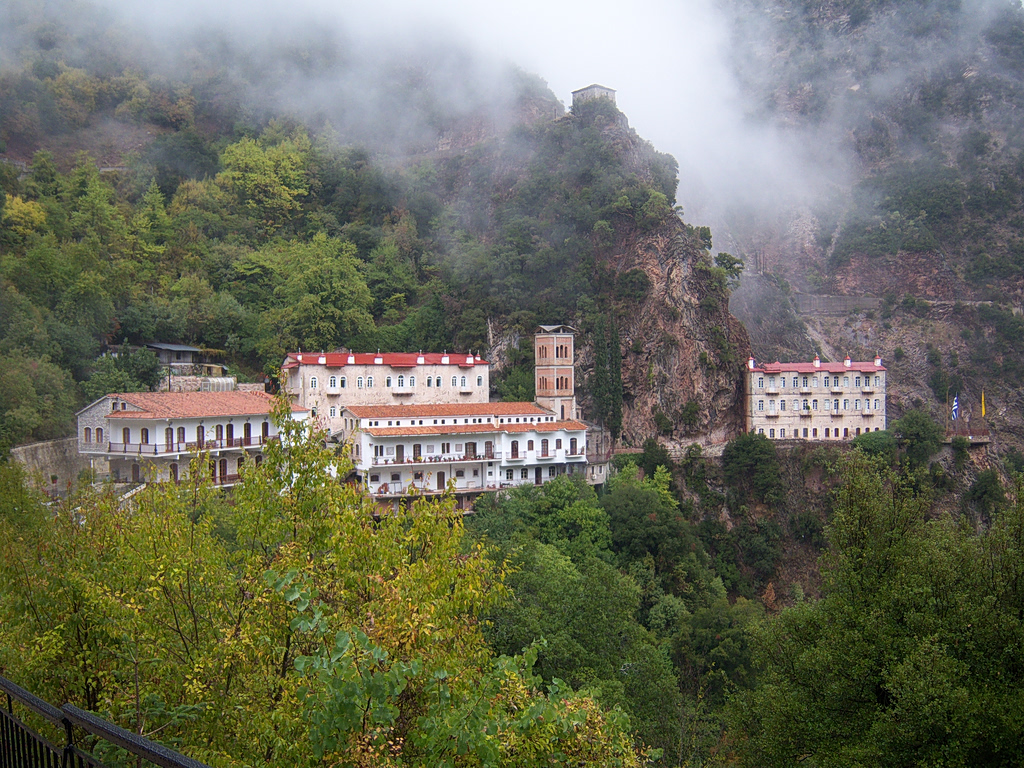
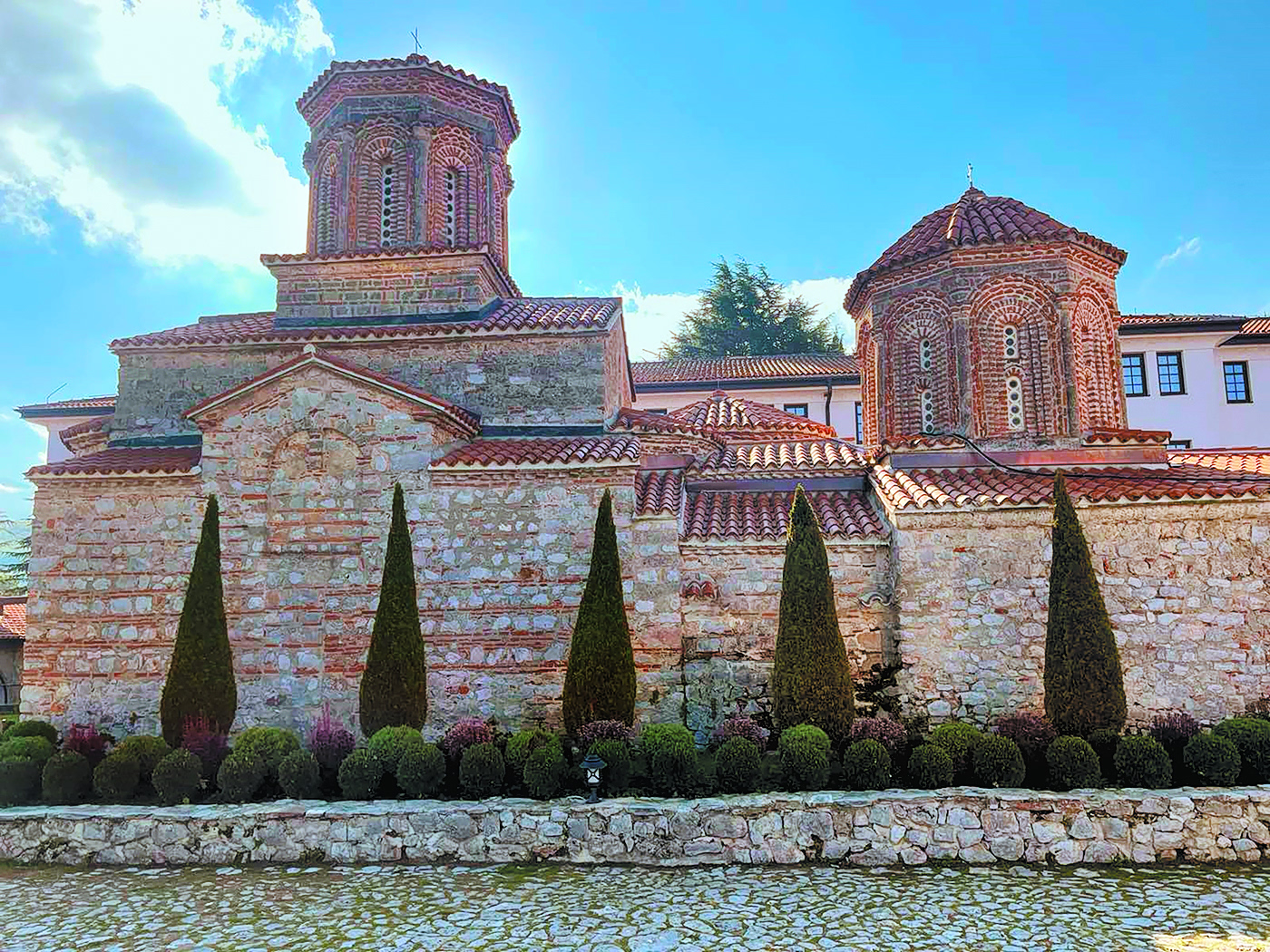
Named after the miraculous icon of the Virgin “Prousiotissa,” the monastery traces its origins to an icon said to have come from the ancient city of Prousa (modern-day Bursa), in northwest Asia Minor, and attributed to Luke the Evangelist. Tradition holds it miraculously fled to Central Greece to escape destruction during the iconoclast era. /Wikimedia Commons
In the past, the travelers who opted for pilgrimage tours in Greece were mainly from an older demographic, with women aged 50 to 75 making up around 60–65% of the whole. These pilgrims sought spiritual exploration and typically joined group tours through parishes or associations.
In recent years, however, travel agencies have noted a gradual broadening of their religious tourism clientele. Increasingly, younger people—including families and solo travelers—are showing an interest in pilgrimage destinations, often as part of a more wide-ranging cultural, experiential and spiritual journey. “In terms of gender, the balance has become more even, with both men and women participating,” Papakostantinou Travel highlighted.
As for nationality, the majority are still Greek, though there are a growing number of Orthodox visitors from abroad, and especially from Romania, Russia, Serbia, the U.S., and Cyprus.
Faith, Culture and Experience Intertwined
But are travelers solely guided by spiritual or religious motivations when choosing religious trips, or are they also driven by cultural, historical, or experiential interests? Experts agree that travelers’ reasons are largely spiritual and religious: a desire to experience faith, visit holy sites, and seek inner peace or strength. “For many, such trips represent a personal journey, a way to come closer to the divine or find solace in difficult times,” Papakostantinou Travel noted.
However, in recent years, many participants have also shown an interest in exploring the history, art, and traditions of the destinations they visit. “Today’s pilgrim is often a culturally-aware traveler seeking an experience that combines faith, knowledge, and peace of mind, not just a formal visit to holy sites,” Mystakidis Tours emphasized.
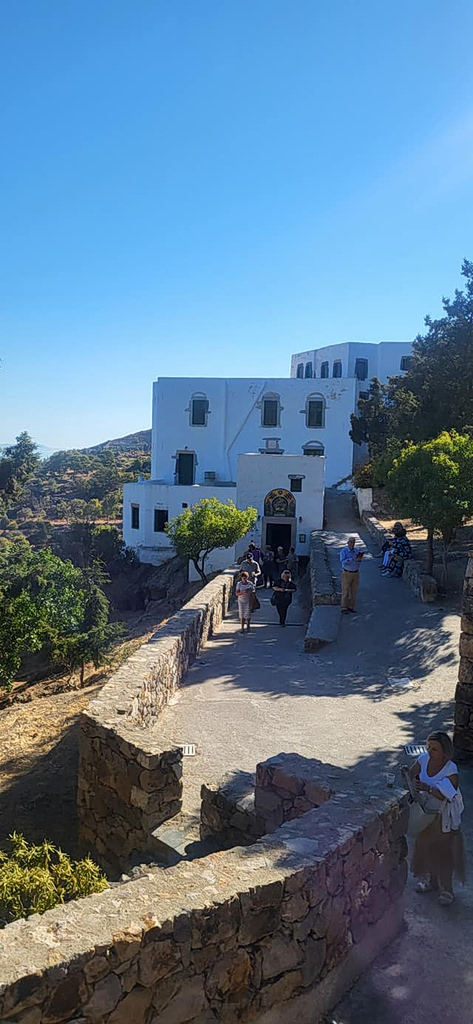
Photo credit: Papakonstantinou Travel
Journeys Tailored for Every Traveler
Given that the profile of pilgrims has become more diverse in the last decade—both in age and in what they expect to experience on their journey—agencies have also shifted towards more customized packages.
For elderly pilgrims, slower-paced itineraries are designed with comfortable accommodation close to pilgrimage sites and well-organized transportation. Packages for younger travelers include cultural activities, sightseeing, and experiences such as museum visits, local events, and participation in monastic workshops.
Tours for Greek travelers focus more on the pilgrimage aspect and on participation in worship activities, though these are often combined with cultural or nature-based excursions. Meanwhile, itineraries catering to international visitors include tours with interpreters, historical introductions to Orthodoxy, and participation in liturgies in their native language.
Mystakidis Tours noted that each trip is designed to be a meaningful experience of faith and culture, customized to the group’s particular interests. “We place great emphasis on tailoring experiences to each group’s needs.”
“Our goal is for every program to blend faith, experience, and learning in a way that matches the profile and expectations of the given group,” highlighted Papakostantinou Travel.
A Vision for the Future
Looking to the future prospects of religious tourism within Greece’s broader travel landscape and at its long-term impact, experts are optimistic regarding its potential. They foresee it becoming an increasingly important part of the country’s tourism offering. They also note that Greece’s Orthodox heritage, culture, nature, and tradition of genuine hospitality make it an ideal destination for journeys of faith and spiritual reflection.
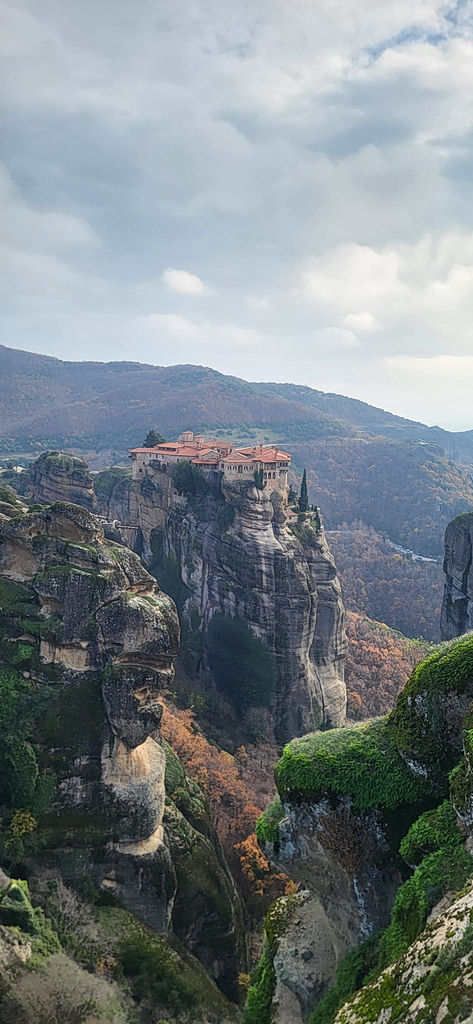
Photo credit: Papakonstantinou Travel.
In the long term, they emphasize that religious tourism can have multiple positive impacts. Its further development can contribute to the extension of the tourist season, strengthen local communities, and support the development of less-visited regions. It can help preserve tradition and foster intercultural dialogue with visitors from other countries. Finally, it can offer modern travelers the chance to combine travel with inward reflection and connecting with the roots of their faith.
Religious tourism is not just a specialized form of travel; it is a dynamic opportunity for sustainable development in Greece in the years ahead, Papakostantinou Travel emphasized. “We believe that religious tourism is not merely a travel activity; it is a journey of faith, culture, and spiritual uplift,” Mystakidis Tours concluded.