Greece’s tourism sector is heading into the summer season with a significant handicap: a shortage of at least 90,000 workers, leaving hotels, restaurants and other businesses scrambling to fill key roles.
The shortfall comes at a critical moment, as the country prepares for its busiest months. It also reflects a wider problem across the economy, where unfilled positions are estimated to exceed 360,000.
Staffing gaps hit front-line roles
Hospitality businesses are struggling most to recruit for positions that directly affect the visitor experience. Waiters, housekeepers, cooks and kitchen assistants are all in short supply, with some employers already operating with fewer employees than required, raising concerns about service quality. Cooks top the list of in-demand roles, accounting for about 14% of job postings. Receptionists, bartenders and housekeeping staff are also highly sought after.
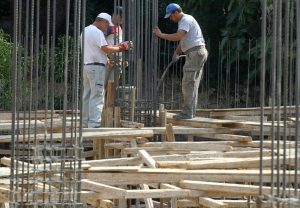
The shortages are not confined to tourism. Construction firms report difficulties finding skilled workers such as welders, plumbers and machinery operators, as well as general laborers. Manufacturers are looking for both unskilled staff and experienced technicians, while agriculture continues to face acute labor gaps, especially during harvest periods.
Limited relief from abroad
Recruitment from outside the European Union is expected to ease only part of the pressure. Authorities have approved 94,300 foreign workers for 2026, up from 89,290 a year earlier. Even so, that figure is expected to cover only a fraction of demand—roughly one in four vacancies.
Of those workers, 44,240 will take up dependent employment roles, 48,000 will be employed on a seasonal basis, and 2,000 will fill highly skilled positions. Under existing agreements, 9,000 workers are expected to arrive from Bangladesh, while another 5,000 seasonal workers from Egypt will mainly support the agricultural sector.
Where foreign workers are expected to fill gaps
Among those entering for dependent employment, the largest share—19,000 workers—will be absorbed by agriculture, livestock, forestry and fisheries.
Other significant allocations include 7,640 workers in manufacturing, transport and storage, as well as 3,630 unskilled industrial laborers. Construction is another major destination, with 4,900 skilled tradespeople and a further 4,500 general construction workers expected to be employed across building projects.
Seasonal hiring will account for 48,000 positions, largely split between agriculture and tourism. Of those, 32,000 will work as farm laborers, alongside 4,000 in fisheries. Tourism-related roles include 4,800 hotel and hospitality cleaners, 4,300 general cleaning staff, and around 6,200 workers in food service. Smaller numbers will cover specialized roles such as cooks (700) and kitchen assistants (4,000), as well as maintenance staff like hotel groundskeepers.
Demand still far exceeds supply
The scale of demand underlines how difficult the situation has become. Employers have submitted requests for around 400,000 foreign workers, with more than 246,000 of those tied to the primary sector. Tourism, construction and industry account for much of the rest.
source: ot.gr