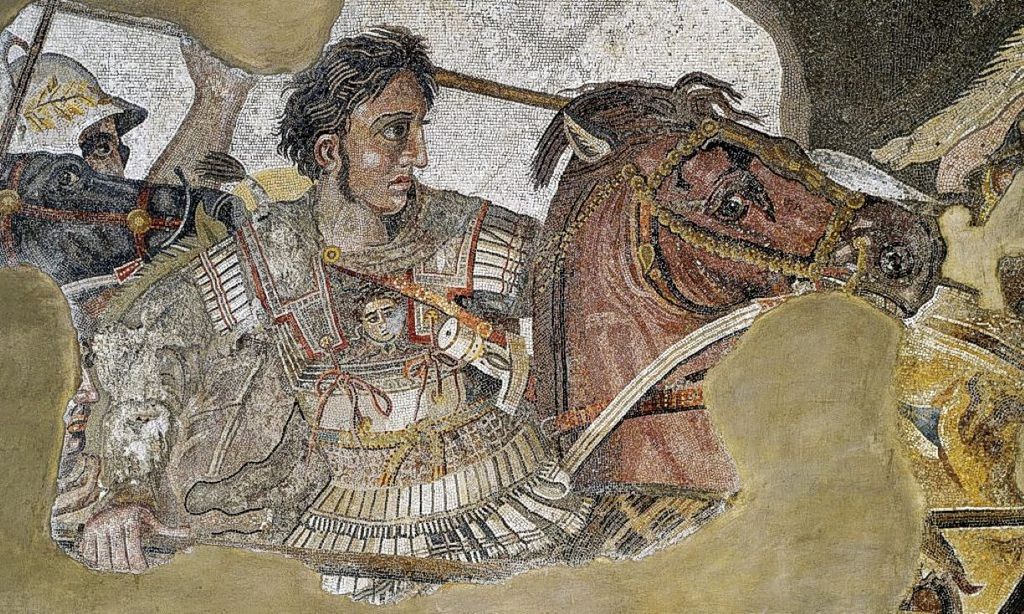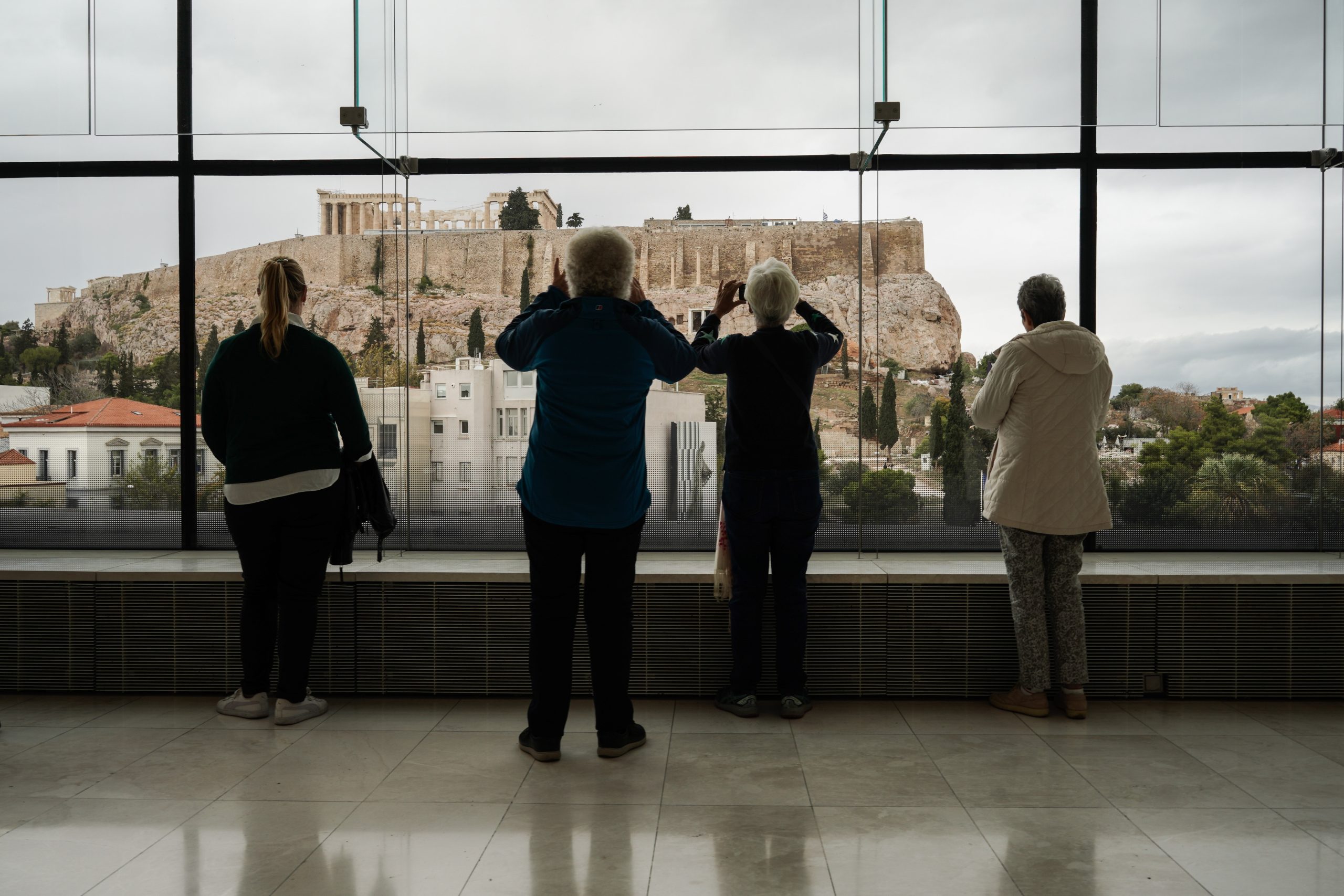
Developing heritage– and culture-focused tourism experiences is at the center of the Greek Tourism Ministry’s new vision, presented on Wednesday during a special event at the Acropolis Museum in Athens attended by Prime Minister Kyriakos Mitsotakis and EU Commissioner for Sustainable Transport and Tourism Apostolos Tzitzikostas.
The event, titled “Tourism is Changing – Greece is Leading the Way,” brought together representatives from the country’s major tourism bodies, including Aegean Airlines, the Greek Tourism Confederation (SETE), the Hellenic Chamber of Hotels, and the Greek National Tourism Organization, as the government outlined its goals for the sector’s next phase of growth.
Tourism Minister Olga Kefalogianni said the revised strategy aims to sustain Greece’s strong upward momentum by balancing development with sustainability. “Our goal is to address new challenges with measure, balance, and sustainability,” she said.
Culture as a Driver of Inclusive Growth

Greek Prime Minister Kyriakos Mitsotakis (c) with Tourism Minister Olga Kefalogianni (l), and Minister of State Kostis Hatzidakis at the Acropolis Museum in Athens, for the ‘Tourism is Changing-Greece is Leading the Way’ event on November 26, 2025.
Greece gained international attention this month thanks to the Athens visit of Shaikha Nasser Al Nowais, incoming General Secretary of UN Tourism.
In a video message, she acknowledged that Greece has been a leader in tourism for decades and is shaping the important conversation of tourism today.
The ministry’s decision to place culture at the core of the national tourism strategy is “timely”, she said, adding that modern travelers are now seeking “meaning, story, and authenticity”, areas where Greece is uniquely positioned to lead.
“Tourism is a national asset that delivers value every day,” she said, stressing that culture is a key driver of inclusive economic growth.
She pledged that World Tourism would support Greece in this vision.
Stronger EU Role for Greece
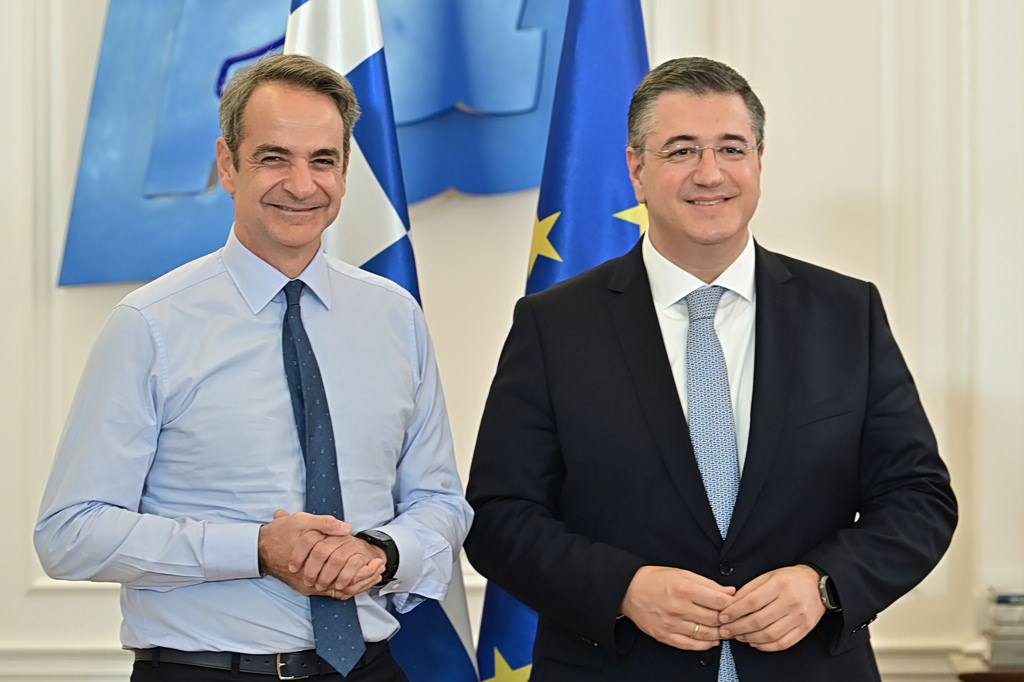
After the event, Greek PM Kyriakos Mitsotakis met with European Commissioner for Sustainable Transport and Tourism Apostolos Tzitizikostas. Photo: Michalis Karagiannis/ Eurokinissi
Addressing the event, Commissioner Tzitzikostas started his talk by pointing to the Acropolis in the background and noting that something was missing: the Parthenon sculptures. He pledged EU support in Greece’s struggle to return the ancient sculptures to Athens.
Among others, Tzitzikostas referred to tourism’s elevated role within EU policy, which, he said, was reflected in the Union’s decision to push tourism up the broader economic agenda and to create for the first time a dedicated tourism portfolio.
Tzitzikostas admitted that emerging challenges have created a new environment, and that yesterday’s tools no longer work. To address change, he announced that the first unified EU tourism strategy with a 10-year outlook would be presented in spring 2026. Key elements of this strategy include an EU Tourism Academy to support training and promote best practices for tourism, an EU-wide regulatory framework for short-term rentals, and new funding tools to make financing more accessible for tourism professionals.
He said Greece had contributed to shaping the EU’s approach, noting the sector’s strong performance: more than 20 billion euros in revenue, 400,000 jobs, and over 20% of national GDP. Europe overall saw a record 3 billion overnight stays in 2024, with Greece ranking fifth in Europe and 10th globally as a tourist destination.
Lastly, Tzitzikostas referred to Europe’s greatest asset: its connectivity, announcing upcoming initiatives, including a Europe-wide high-speed rail network by 2040, a unified multi-modal ticketing system, and simpler rules for cross-border car rentals. “Transport is not just transportation,” he said. “It is development, opportunity, and stronger tourism.”
Greece’s Competitive Edge
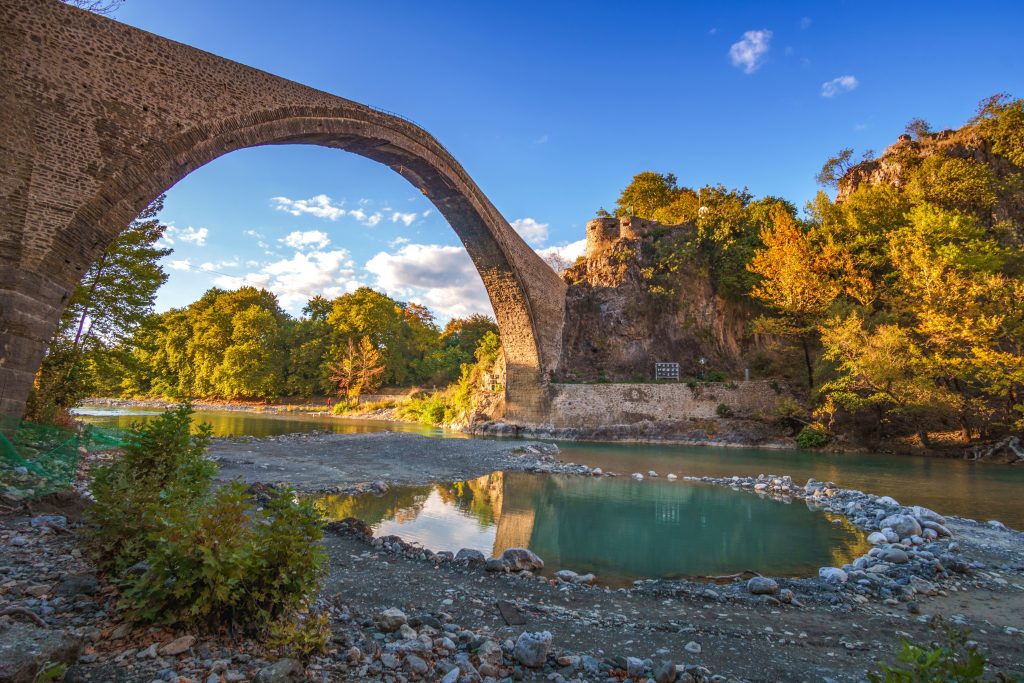
Minister Kefalogianni outlined actions over the past decade that have established Greece as a global leader in tourism. Among others, she referred to the country’s bold decision to be among the first countries in the world to safely reopen to international visitors after the Covid-19 pandemic.
This decision, she said, helped build the country’s global credibility, boosting Greece’s presence within international organizations, as demonstrated by its re-election earlier this year with a leading vote count to the Executive Council of UN Tourism.
At home, the ministry is prioritizing year-round tourism, the development of special interest products, the upgrade of tourism training and education, a new regulatory framework for short-term tourist rentals, the launch of a sustainable hotel certification system, and simplifying investment procedures.
In 2024, Greece welcomed 40 million visitors, who generated 21.6 billion euros in revenues.
Five-Year National Tourism Plan Coming in 2026
Closing the event, Prime Minister Mitsotakis said that Greece has secured its position as a top-choice destination for Europeans, strengthened its presence in the US market, and is now expanding into Asia and India. Nearly 10% of Greece’s workforce is employed in tourism, he said, with many additional sectors, agriculture, fisheries, trade, and manufacturing, benefiting from its growth.
The Greek PM said on Wednesday, that “on this day of celebration for Greek tourism, more vigilance is required than ever, as competition intensifies and traveler expectations rise”.
“All efforts, the foundations that we have laid, should continue in a more organized manner.”
Mitsotakis announced that the government will present a new five-year strategic tourism plan for 2030-2035 early next year. The plan will align with the upcoming EU-wide strategy and serve as a roadmap for the future. The key aim of the plan is to ensure visibility for entrepreneurs, investors, and local communities, while also serving as a guide for government bodies to intervene where necessary, especially in infrastructure issues.
The prime minister concluded that a new perspective with a strong focus on infrastructure needs, sustainability, authenticity, and balanced growth can guarantee that the benefits are distributed to all.
Lastly, addressing concerns about overtourism, he said national data does not show widespread overconcentration but acknowledged that certain destinations face seasonal pressure. Better distribution of visitors and promotion of lesser-known regions, he said, will be key to maintaining balance.