There was a time when the world’s most beautiful beaches were valued mainly for their natural beauty—the color of the sea, the softness of the sand, or the feeling of escape they offered.
Today, however, true luxury lies not only in enjoying a pristine coastline but in knowing it is protected. Across the Mediterranean, the Caribbean, and beyond, sustainably managed beaches are redefining modern travel. With limits on visitor numbers, reduced plastic use, renewable energy, and stronger biodiversity protection, these destinations are becoming models for a more responsible tourism industry.
As travelers grow increasingly conscious of their environmental impact, beauty alone is no longer enough. The new appeal lies in places that balance tourism with preservation, reflecting a broader shift from excess toward sustainability and respect for nature.
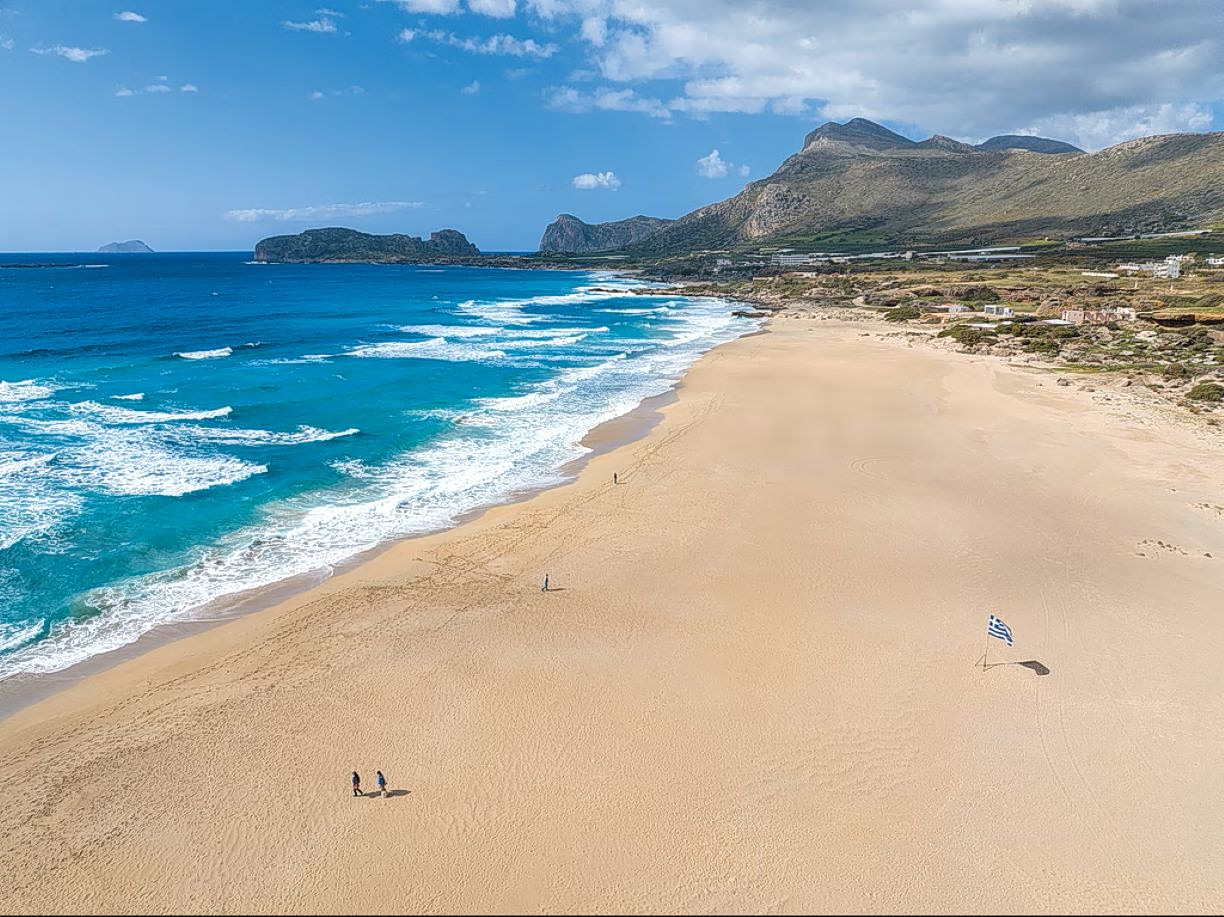
Falassarna, another protected beach in Crete due to its rich biodiversity, is renowned for its exceptional natural beauty. Photo credits: Marina Vernicos
The Rise of the Quiet Beach
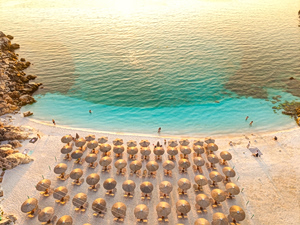
As overtourism puts growing pressure on many of the world’s most celebrated coastlines, a quieter and more sustainable beach culture is emerging. In destinations such as Sardinia, visitor limits and protected access help preserve fragile ecosystems and maintain a sense of unspoiled beauty.
Similar practices are gradually being adopted in Greece, particularly on smaller islands and in protected Natura areas, where conservation efforts are helping safeguard coastal landscapes while offering travelers a more authentic seaside experience.
Falassarna, another protected beach in Crete due to its rich biodiversity, is renowned for its exceptional natural beauty. Photo credits: Marina Vernicos
Sustainability as a Status Symbol
For decades, beach culture was defined by excess. Today, however, the most desirable coastal destinations are often those that prioritize sustainability over spectacle. From eco-lodges in Costa Rica to environmentally conscious boutique hotels in Tulum, a new model is emerging—one built around renewable energy, local sourcing, and low-impact design.
Natural materials, climate-sensitive architecture, and responsible operations have transformed sustainability from an alternative approach into a new symbol of sophistication.
Greece’s Coastline at a Crossroads
With more than 13,000 kilometers of coastline and some of the Mediterranean’s most spectacular beaches, Greece possesses one of Europe’s richest coastal landscapes. Yet growing tourism pressure has made their protection increasingly urgent.
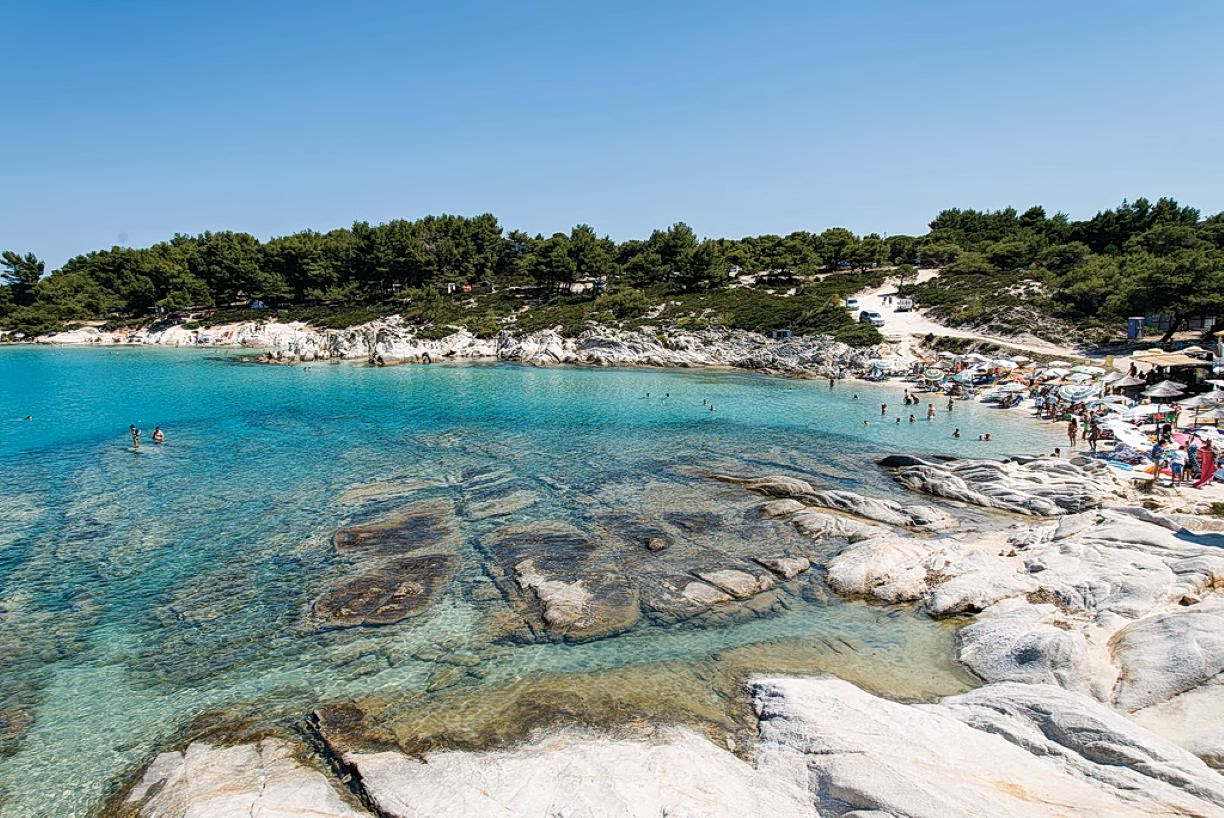
Halkidiki features eco-resorts that respect the region’s flora, including pine forests that extend down to the sea. Photo credits: Marina Vernicos
Public debate over unrestricted commercial development and public access to beaches has intensified in recent years. The “Towel Movement,” which emerged in the Cyclades in 2023, brought national attention to a fundamental question: how much space should remain available to nature—and to the public—when every stretch of sand risks being occupied by commercial infrastructure?
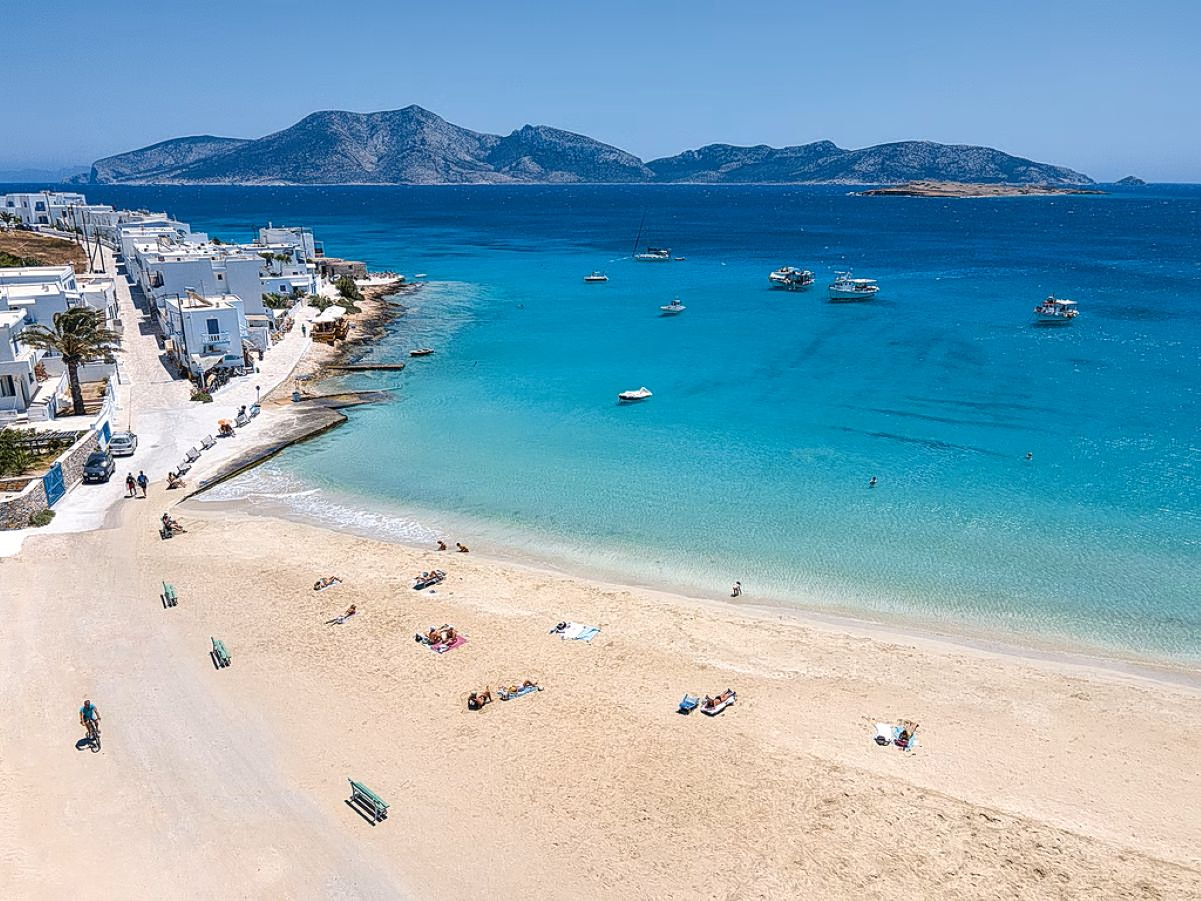
At the same time, a growing number of local initiatives focused on beach cleanups, marine conservation, and plastic reduction are helping foster a new environmental culture. From Alonissos to Milos and from Tilos to Koufonisia, communities are working to balance tourism with ecological responsibility.
Particularly important is the protection of Posidonia oceanica, the seagrass often referred to as the lungs of the Mediterranean. Although it is frequently regarded as a nuisance when washed ashore, Posidonia plays a vital ecological role. It protects coastlines from erosion, supports marine biodiversity, and absorbs significant amounts of carbon dioxide.
Lessons from the Blue Zones
The principles of the blue economy and the world’s Blue Zones highlight a more balanced relationship with the sea—one rooted in sustainability rather than consumption. In places such as Ikaria, Sardinia, and Okinawa, nature remains an integral part of daily life, not a tourism product. As a result, some of the most rewarding coastal experiences are often found on beaches that remain largely untouched, offering a rare sense of tranquility and connection.
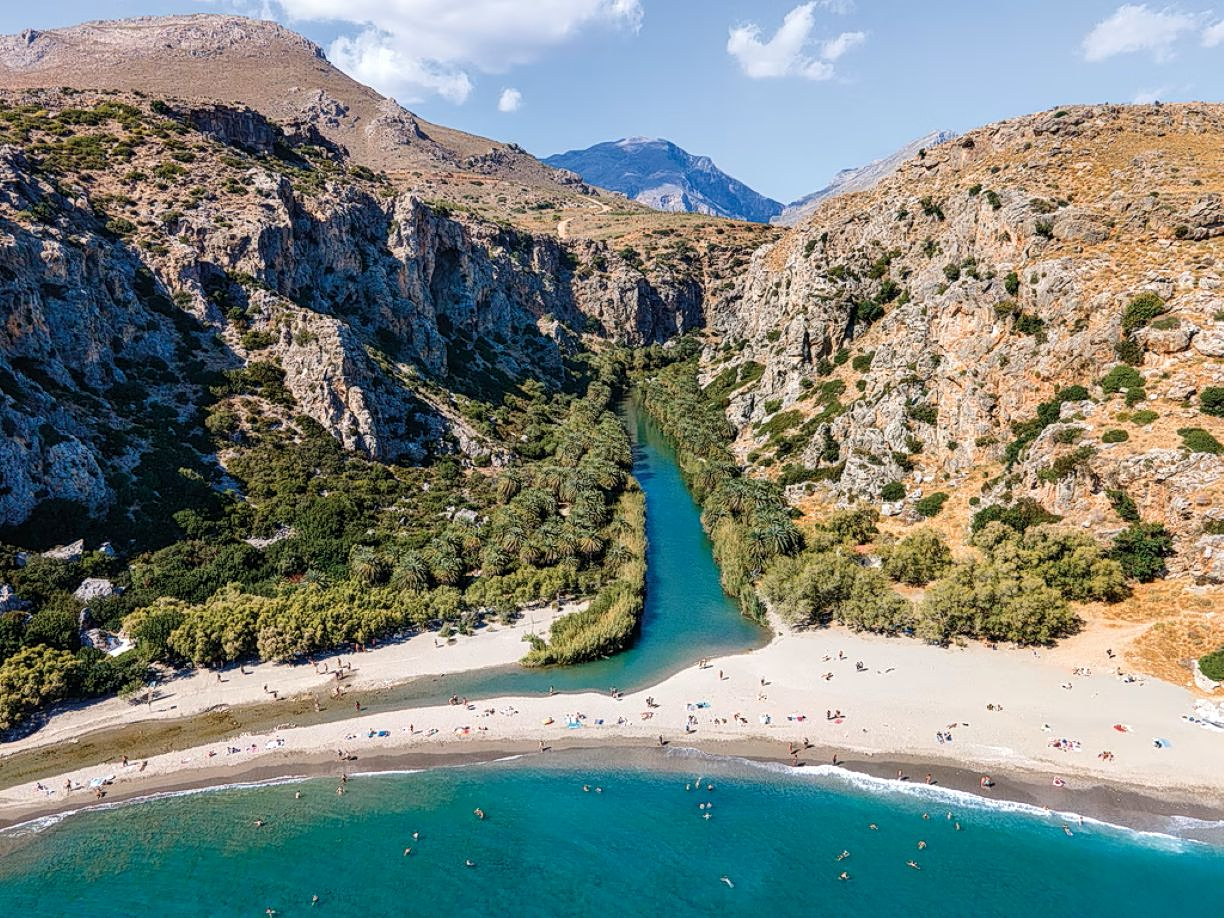
Preveli Beach, southern Crete. Photo credits: Marina Vernicos
The Emergence of Regenerative Tourism
In recent years, the concept of regenerative tourism has gained momentum. Unlike conventional sustainability initiatives that focus primarily on reducing harm, regenerative tourism seeks to leave destinations in a better condition than they were before.
The goal is not simply to minimize environmental impact but to actively restore ecosystems and strengthen local communities. Hotels and coastal developments are increasingly expected to contribute positively to the environments in which they operate.
Some resorts now maintain underwater coral nurseries, support sea turtle conservation programs, or create artificial reefs that enhance marine biodiversity. In the Maldives, several luxury properties have established marine biology centers where guests can participate directly in conservation efforts.
This approach represents a fundamental shift away from extractive tourism models and toward a form of travel that encourages visitors to become part of a positive environmental legacy.
Well-Being, Identity, and Place
Eco-friendly beaches are gaining appeal not only because they protect nature, but because they enhance well-being. Quiet surroundings, clean waters, and limited development offer a sense of calm that is increasingly rare in overcrowded tourist destinations.
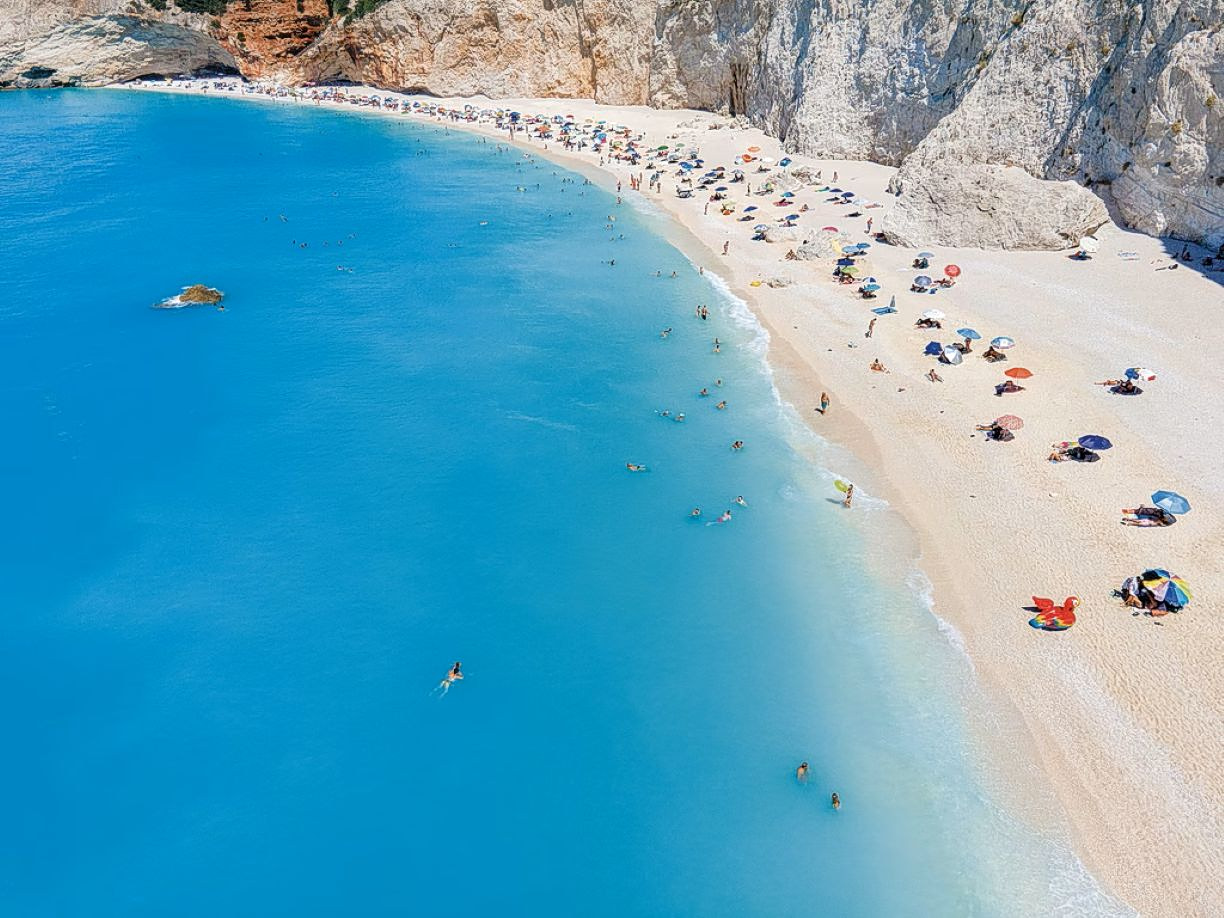
The protection of Porto Katsiki beach in Lefkada depends directly on the responsible behavior of its visitors. Photo credits: Marina Vernicos
At the same time, preserving coastal landscapes often means preserving local identity. Authentic beaches help sustain the character of their communities—from their architecture and cuisine to their way of life. In an era of increasingly uniform travel experiences, the most compelling destinations are those that remain true to their natural and cultural heritage.
The Future of Summer
As climate change intensifies, the future of the world’s beaches will increasingly depend on sustainable management. Rising temperatures, coastal erosion, pollution, and biodiversity loss are already placing many shorelines at risk.
Protecting these environments is no longer optional but essential. Ultimately, the most beautiful beaches are not simply those we enjoy today, but those preserved for generations to come.