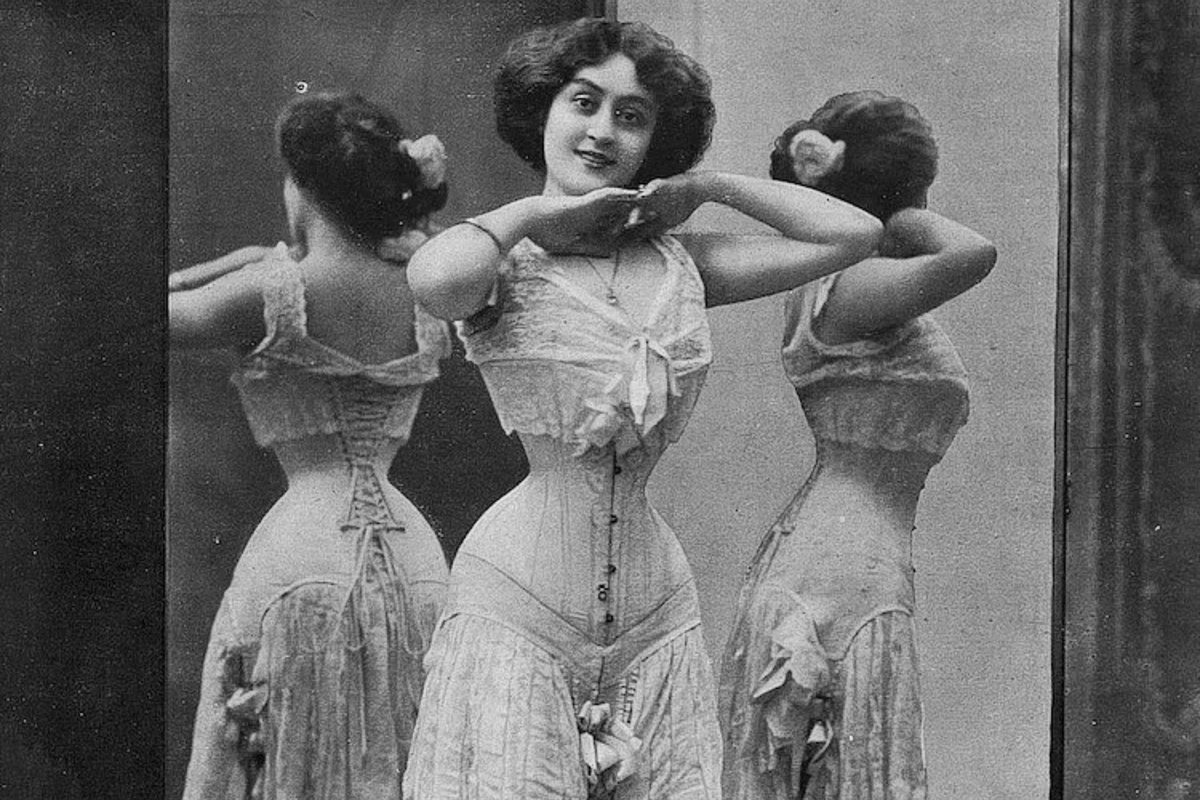
Gabrielle “Coco” Chanel was one of the most influential designers of the 20th century. She began her career as a milliner making hats and went on to become a revolutionary and pioneer in the fashion world, creating a new style of dress that freed women from corsets and lace frills, offering them sailor tops and wide-leg trousers instead.
On the anniversary of her birth in 1883, we look back at the innovations that defined modern women’s style. And how could we forget them? Many of them are still part of what we wear every day.
“Nothing is more beautiful than freedom of the body,” she once said, and her designs embodied precisely that idea. Chanel’s silhouettes were fluid and androgynous, while her designs were relaxed — including her iconic little black dress, or LBD. She wanted women to be able to move comfortably and breathe in their clothes, just as men did in theirs. In many ways, her work became a form of female emancipation.
Beyond revolutionizing the way women dressed, she helped shape a new model of what a fashion brand could be. It could cater to every aspect of a woman’s life, from formal and evening wear to her vacation wardrobe.
Coco captured her philosophy in some of the best-known aphorisms of her time, many reflecting her famously sharp wit. Here are eight major style innovations from a woman who became a fashion legend and once famously declared: “I don’t do fashion. I am fashion.”
Women’s Trousers
Chanel did not invent trousers for women. They had already entered women’s wardrobes during World War I, when women began taking on jobs traditionally performed by men. But she undoubtedly helped popularize them as fashion.
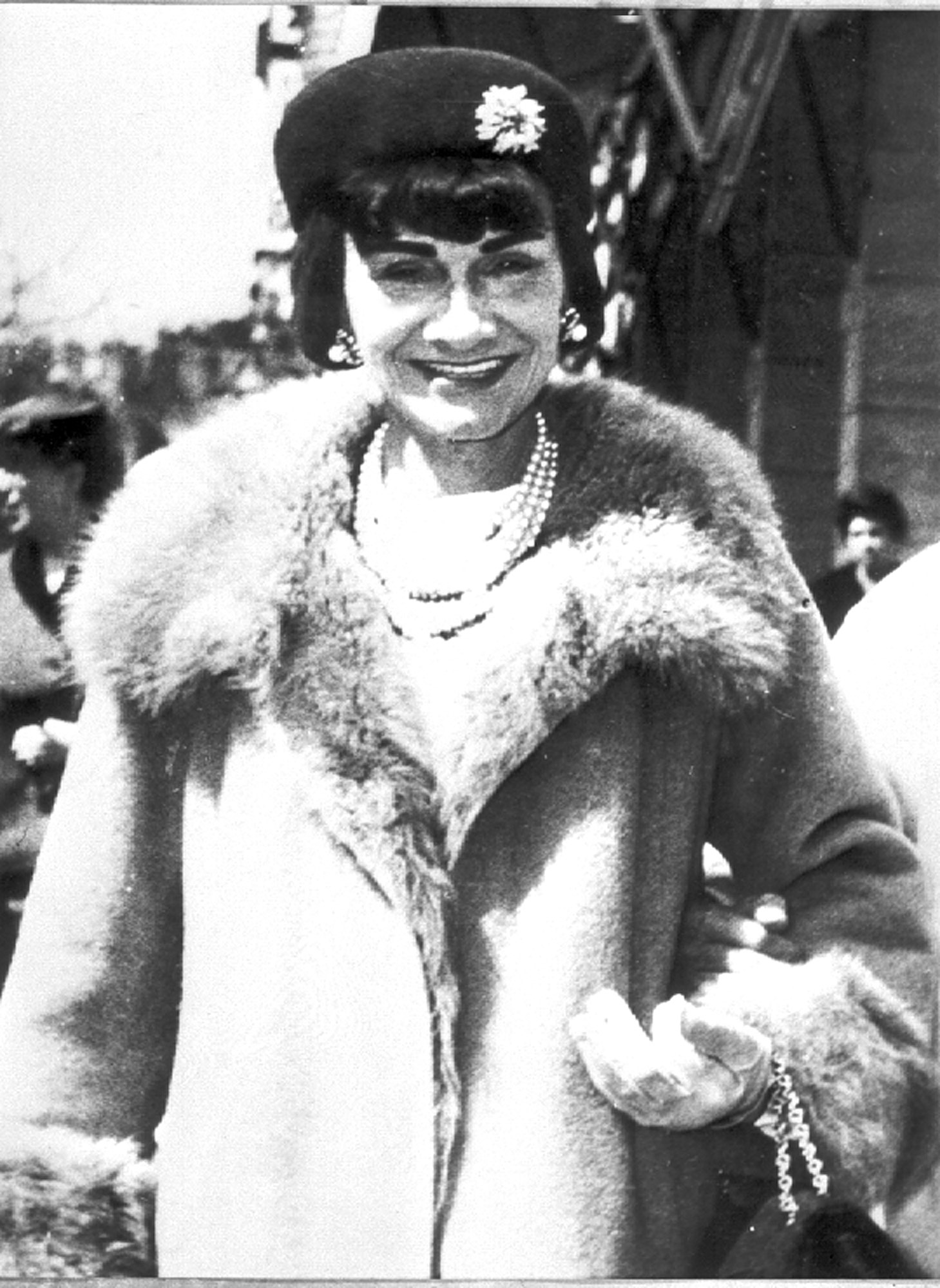
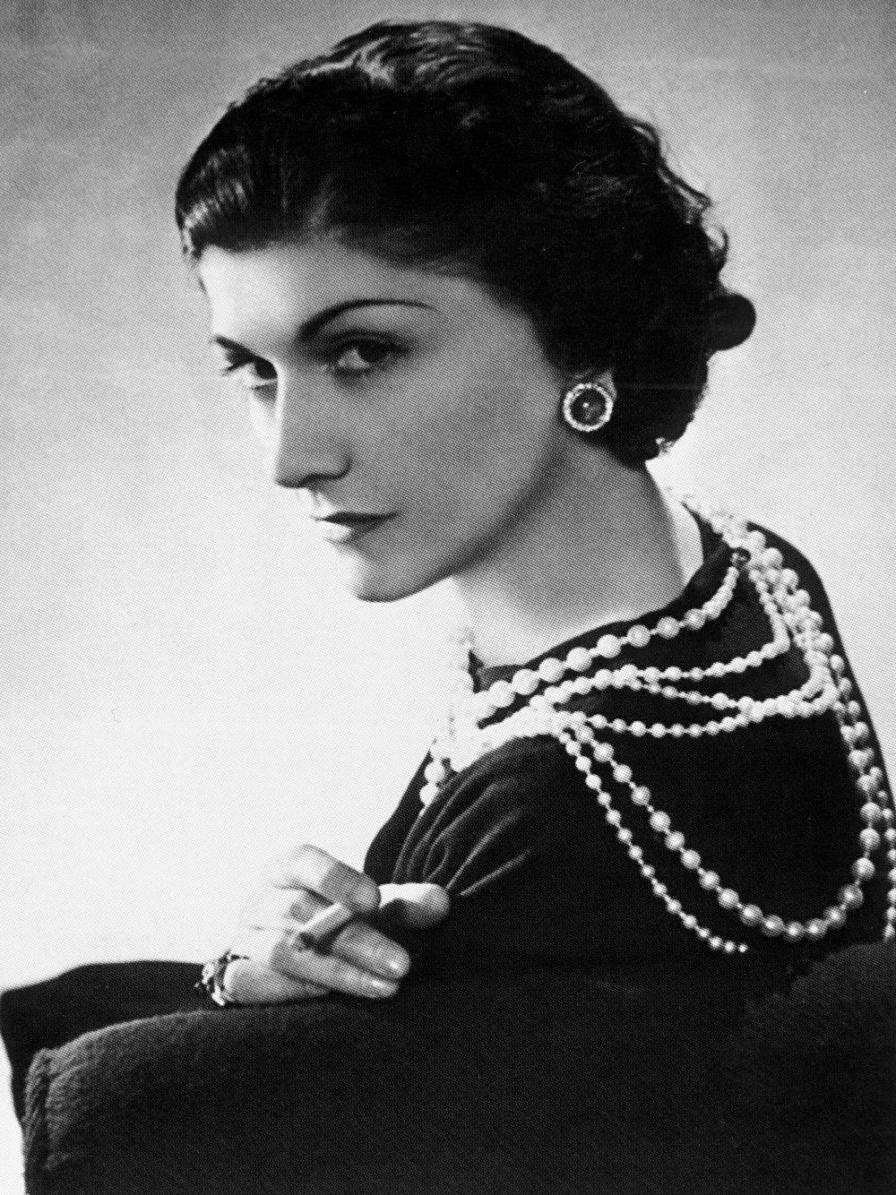
French fashion designer Gabrielle “Coco” Chanel is shown in this undated photo. (AP Photo)
The designer enjoyed wearing trousers herself, often borrowing them from her lovers, and as early as 1918 she began wearing loose-fitting beach pajamas while vacationing on the French Riviera. Inspired by the straight, wide cuts of sailors’ trousers, which gave them a relaxed and comfortable shape, she paired them with oversized shirts or sleeveless tops.
The look was considered daring at the time because of its association with the bedroom. By the mid-1920s, however, it had become a staple in the wardrobes of wealthy women and a regular feature of Chanel’s collections.
Sailor Tops
French sailors and fishermen had worn Breton tops — striped sweaters made from tightly knitted wool to protect them from the elements — since the 19th century. Chanel, however, turned them into fashion.
Striped pieces appeared in her boutique in the fashionable Normandy resort of Deauville in the 1910s. She reworked them in jersey, added pockets and paired them with wide belts. The nautical look was casual and far less formal than the rigid aesthetic of the Belle Époque, and it quickly became a hit among stylish women both on and off the beach.
Costume Jewelry
Mixing high and low is commonplace in fashion today. But it was considered radical when Chanel introduced costume jewelry into her collections, transforming something regarded as cheap and tasteless into a symbol of modern style — although her rival Paul Poiret was the true pioneer of the trend.
“A woman should mix fake and real,” Chanel once said. “The point of jewelry isn’t to make a woman look rich but to adorn her — not the same thing.”
In the early 1930s, she collaborated with Italian jeweler Duke Fulco di Verdura to create the iconic Maltese Cross cuff bracelets, decorated with colorful semiprecious stones. By the end of the decade, she had introduced signature necklaces made from hanging chains adorned with imitation pearls and sparkling stones. More layered strands of faux pearls followed — proudly worn by Chanel herself — and a trend was born.
The Little Black Dress
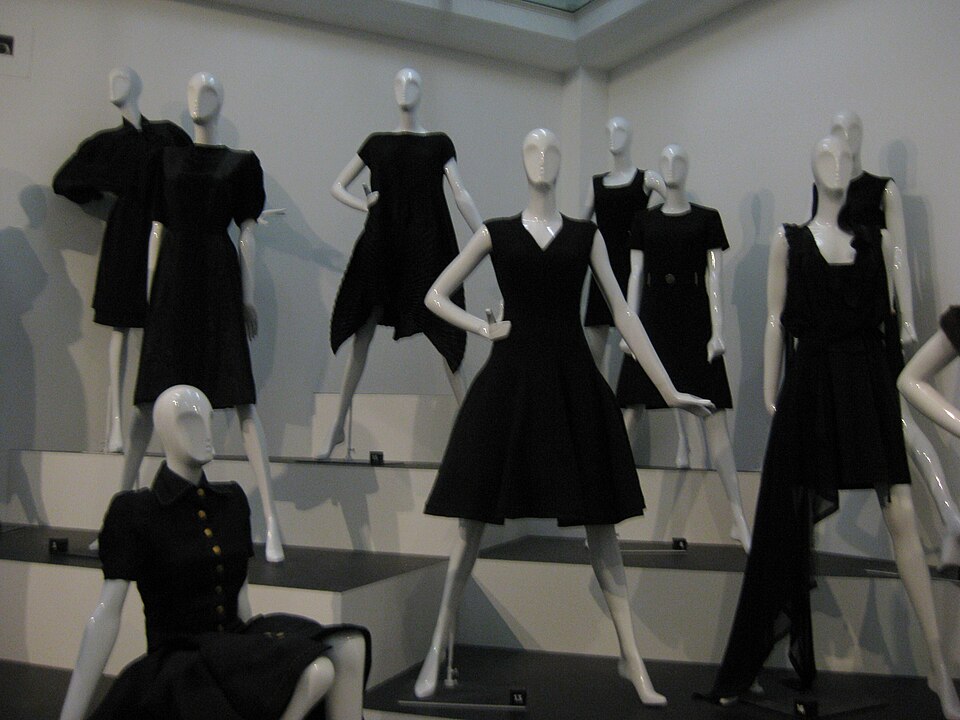
In 1926, Vogue published a sketch of a simple, calf-length black dress made from crêpe de Chine. It featured long, narrow sleeves, a low waist and a single strand of pearls. The magazine described it as “Chanel’s Ford,” a reference to the hugely popular Model T.
Marion Golsteijn
In other words, it was a dress so simple that it could be accessible to every buyer — “a sort of uniform for all women of taste,” as the magazine put it.
The design became known as the little black dress, and the rest is history. During the Great Depression, the LBD became the go-to garment for an entire generation of female consumers and, in the decades that followed, an essential part of women’s wardrobes everywhere.
Countless variations and imitations followed, but the understated elegance of Chanel’s original design remains unmatched.
The Chanel Suit
The Chanel suit changed the rules — not only of fashion, but also of women’s freedom in dress.
Coco Chanel introduced her first version in the 1920s, drawing inspiration from menswear and sportswear, as well as the suits worn by her then-lover, the Duke of Westminster. Seeking to free women from the restrictive corsets and long skirts of previous decades, Chanel created a slim skirt and a collarless jacket in tweed, a fabric then considered inelegant.
The suit was modern, slightly masculine in its cut and ideal for the postwar woman beginning to enter the business world. Its popularity endured over the years, and it appeared throughout the Chanel fashion house’s collections, including those designed by Karl Lagerfeld.
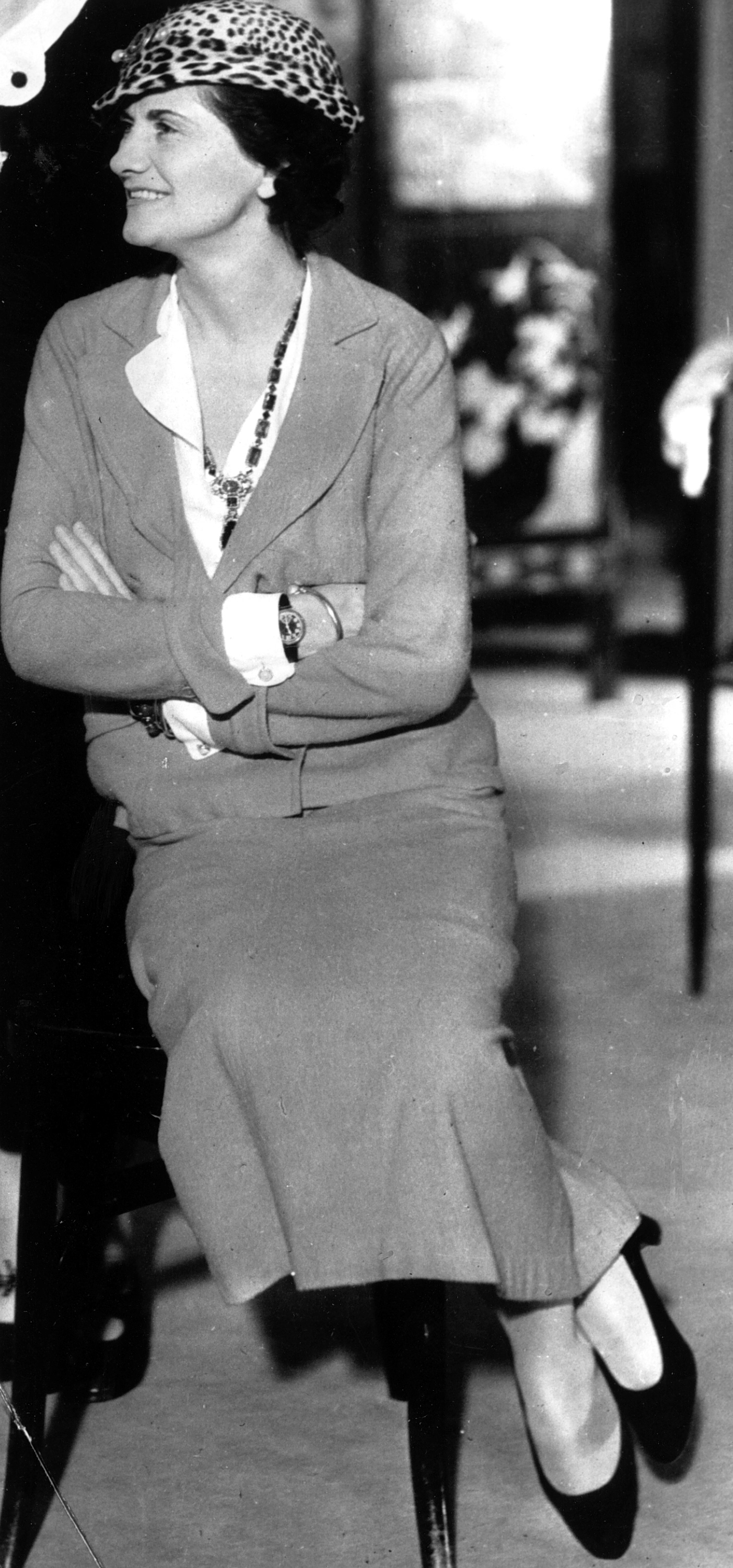
French designer Gabrielle “Coco” Chanel, sits at a sidewalk cafe in Paris on Sept. 11, 1934. She wears a stencilled leopard hat and a tailored two piece wool suit, with a necklace and bracelets for contrast. (AP Photo)
The Chanel suit was also worn by some of the most influential women of all time, from Audrey Hepburn and Grace Kelly to Brigitte Bardot and Princess Diana.
Chanel No. 5
Chanel launched her namesake No. 5 perfume in 1921. A year earlier, according to legend, she had challenged French-Russian perfumer Ernest Beaux to create a fragrance that would make its wearer “smell like a woman, and not like a rose.”
The result was a blend of 80 natural and synthetic ingredients, which Beaux presented to her as a numbered series of fragrance samples from which to choose.
She chose the fifth.
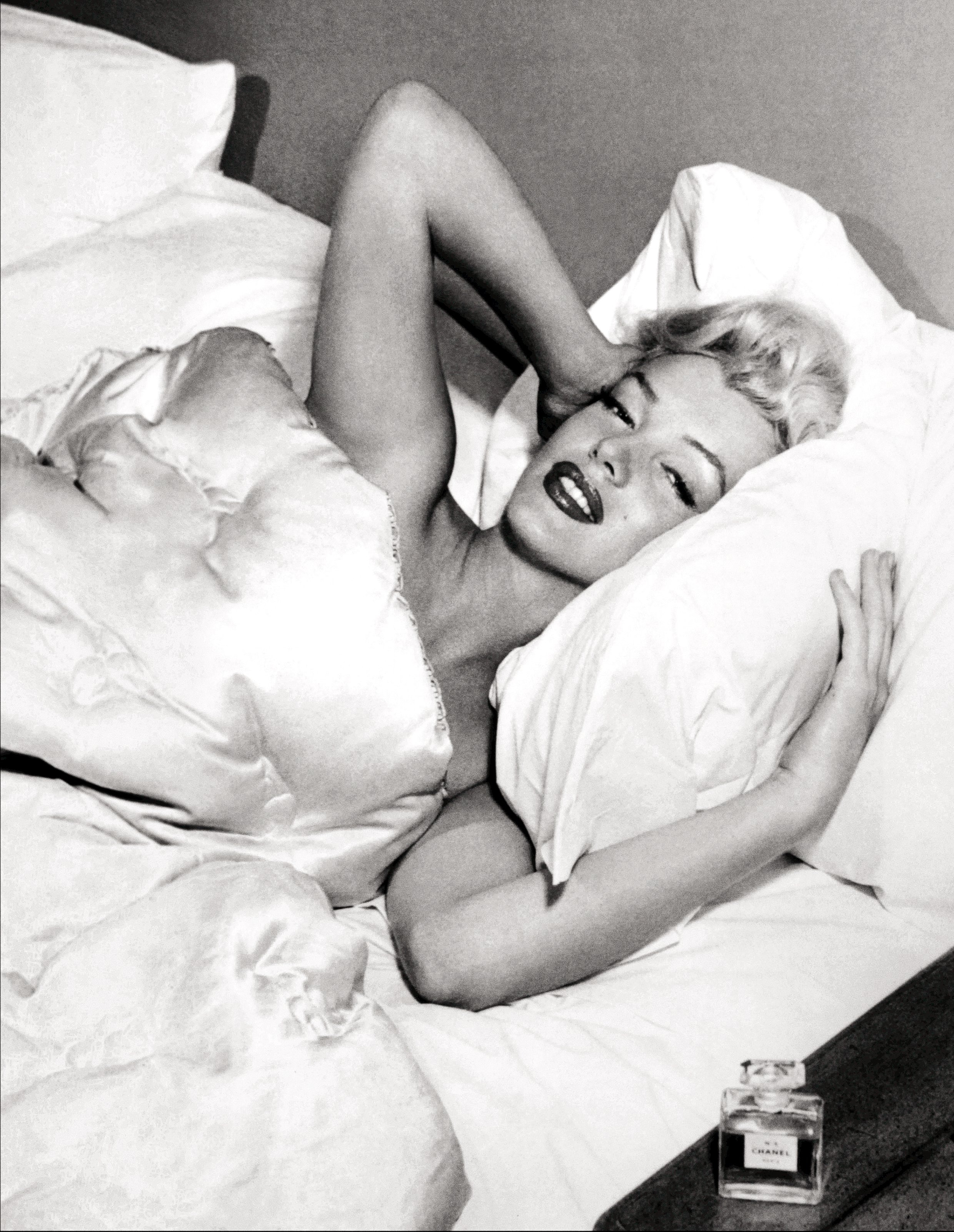
The blend challenged the notion of perfume as a symbol of high social status, promoting instead the idea that women could embody multiple identities at once: natural and artificial, provocative and pure.
“It was what I was waiting for,” Chanel later said. “A perfume like nothing else. A woman’s perfume, with the scent of a woman.”
It was also one of the biggest and most successful branding exercises in fashion history. By placing her name prominently on every bottle and advertisement for her perfumes, Chanel permanently linked the fragrance to the identity of her fashion house.
Jersey Dresses
Chanel loved jersey. The fabric featured prominently in her sportswear, much to the surprise of clients accustomed to satin and silk.
It was an unusual choice for the time. Until then, jersey had primarily been used for men’s underwear.
But it was easy to work with and comfortable, embodying everything the designer wanted to create for her clients. Importantly for Chanel, who was always a businesswoman, it was also relatively inexpensive, helping keep costs down as she established herself and her company.
She was the first designer to popularize jersey in women’s fashion, using the material for dresses, skirts, sweaters and more — a tradition Lagerfeld maintained as artistic director in the decades following her death.
The 2.55 Bag
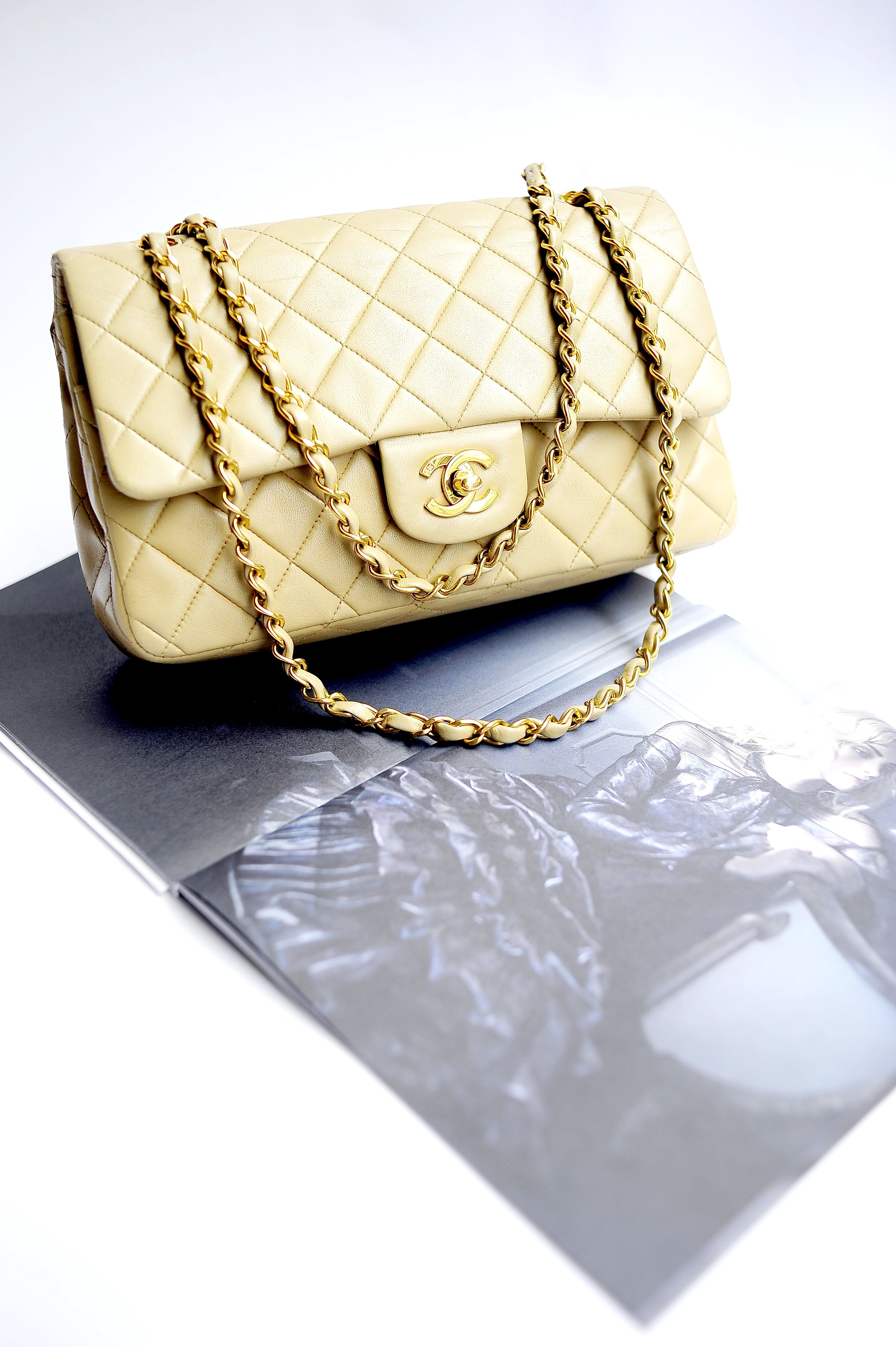
One of the most iconic Chanel bags of all time, the 2.55 broke the rules when it was launched in February 1955 — hence its name. It was the first luxury handbag for women to feature a shoulder strap; earlier bags, including Chanel’s own, had to be carried by hand.
Liu Wen Cheng
The innovative change gave women newfound freedom and transformed the way women’s handbags were designed. Critics considered the 2.55 inelegant, but shoppers loved its practicality.
And practical it certainly was: The chain strap could be doubled up and worn from one shoulder, an exterior pocket was designed to hold cash, and the central compartment was perfectly shaped for lipstick.