On the evening of July 11, 1988, a popular Greek day cruise turned into a massacre, marking one of the most horrific peacetime terrorist attacks on Greek soil in its modern history. The City of Poros ferry, returning from a day-long island excursion in the Saronic Gulf, was the target of a brutal armed assault that killed nine passengers and injured nearly 100 others.
A Popular Day Cruise Turns Deadly
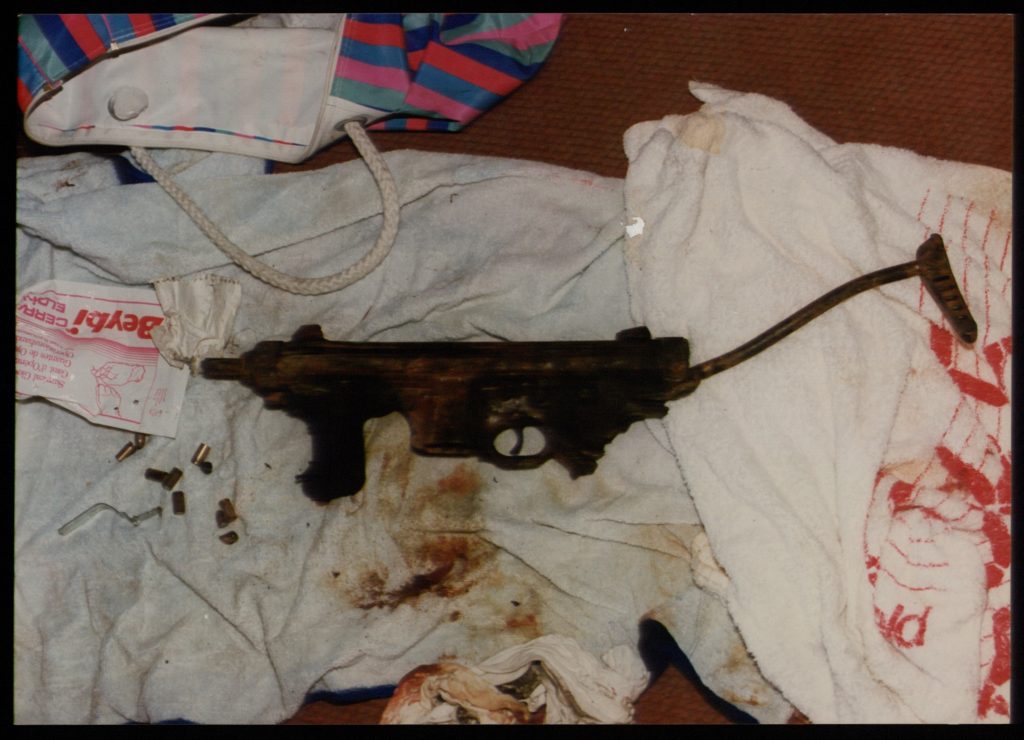
Image of a gun used in the City of Poros attack.
The City of Poros wasn’t just a ship—it was part of a beloved tradition for both tourists and locals. The 1,300-ton cruise vessel operated by the shipping company Pegasus Tours regularly ferried hundreds of passengers on scenic day-trips from Piraeus to the Saronic islands—Hydra, Aegina, and Poros—known for their beauty, historic charm, and proximity to Athens.
On July 11, the ferry was carrying 471 passengers, mostly European tourists, including families, couples, and elderly visitors. It was the tail end of a warm, breezy day at sea, and as the ferry made its way back to Athens in the early evening, passengers were relaxing, taking photos, and enjoying drinks on deck—completely unaware that their voyage would end in bloodshed.
The Attack: Chaos on the Water
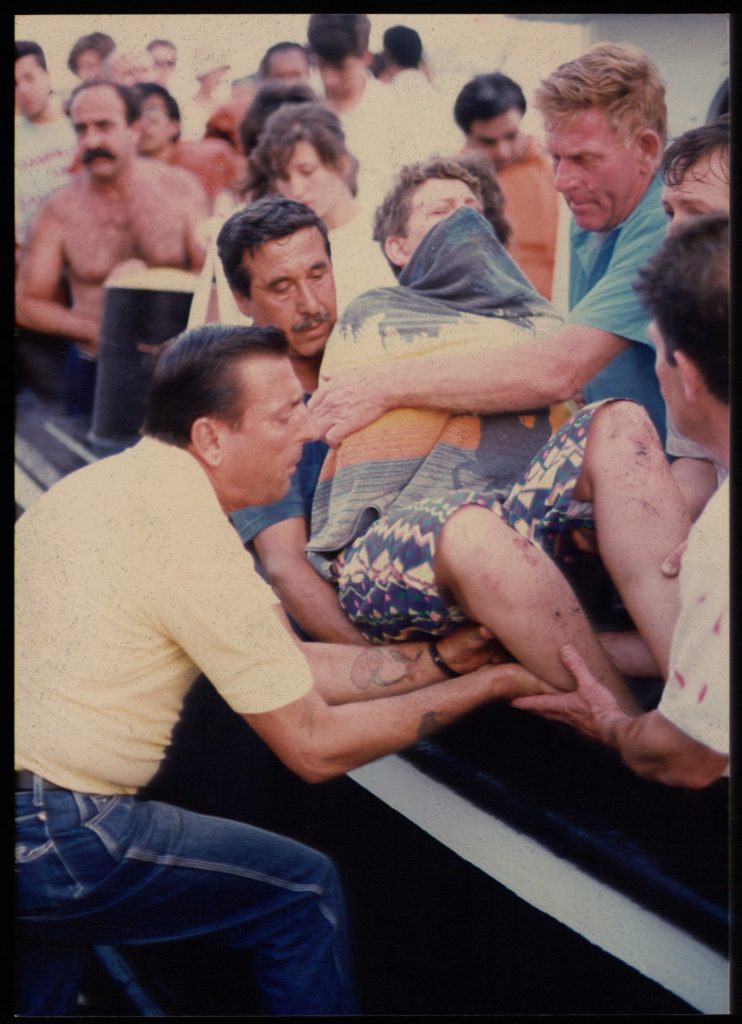
Injured passenger being removed from the ship.
Around 8:30 PM, as the ferry cruised near Aegina, three masked gunmen suddenly opened fire, unleashing automatic weapons and throwing hand grenades into the crowd of unsuspecting passengers.
“Firing randomly with their automatic weapons and tossing hand grenades…scores of passengers leaped into the sea…some were dismembered by the ship’s propeller,” according to an article by the Washington Post at the time.
Panic erupted. Dozens of passengers leapt into the dark sea to escape the gunfire—many without life jackets. Some were killed by grenade shrapnel or gunfire. Others, tragically, were sucked under by the ferry’s propellers as they jumped.
“Most of the passengers jumped into the sea when the first explosions were heard. It was absolute hell,” said an American passenger, to the Los Angeles Times on July 12, 1988.
Rescue operations that night involved the Greek Navy, coast guard, and local fishing boats. Survivors were taken to hospitals across Athens. The next day, security was tightened at Greek ports and airports.
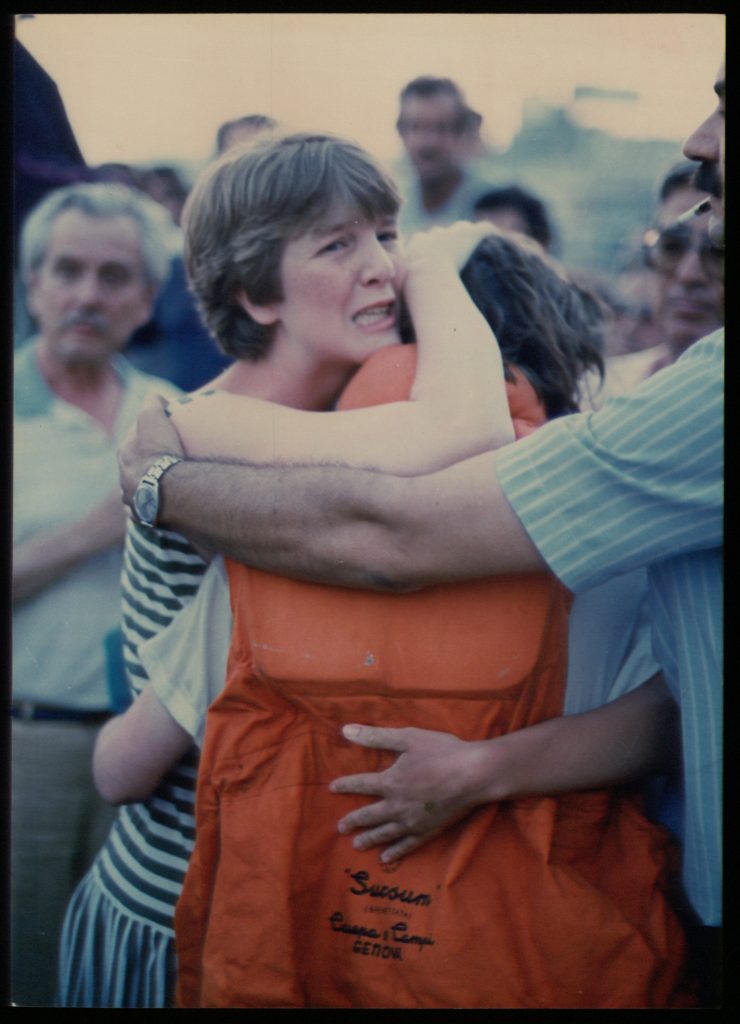
When the carnage stopped, nine passengers were dead, including citizens from France, Denmark, Sweden, and Greece, and 98 were injured, many of them seriously. The attackers escaped in a speedboat that was reportedly trailing the ferry.
A Second Attack That Failed and the Motive
Earlier that same day, a car bomb exploded prematurely at the Piraeus port where the City of Poros would have docked. The explosion killed two Arab men inside the vehicle—believed to be accomplices of the ferry attackers—and injured a Greek passerby. Authorities believe the plan was for the ferry to be bombed as it arrived, in addition to the on-board attack.
Though no group claimed responsibility, Greek and international investigators quickly linked the attack to the Abu Nidal Organization (ANO)—a notorious Palestinian militant group backed at the time by Libya and Iraq.
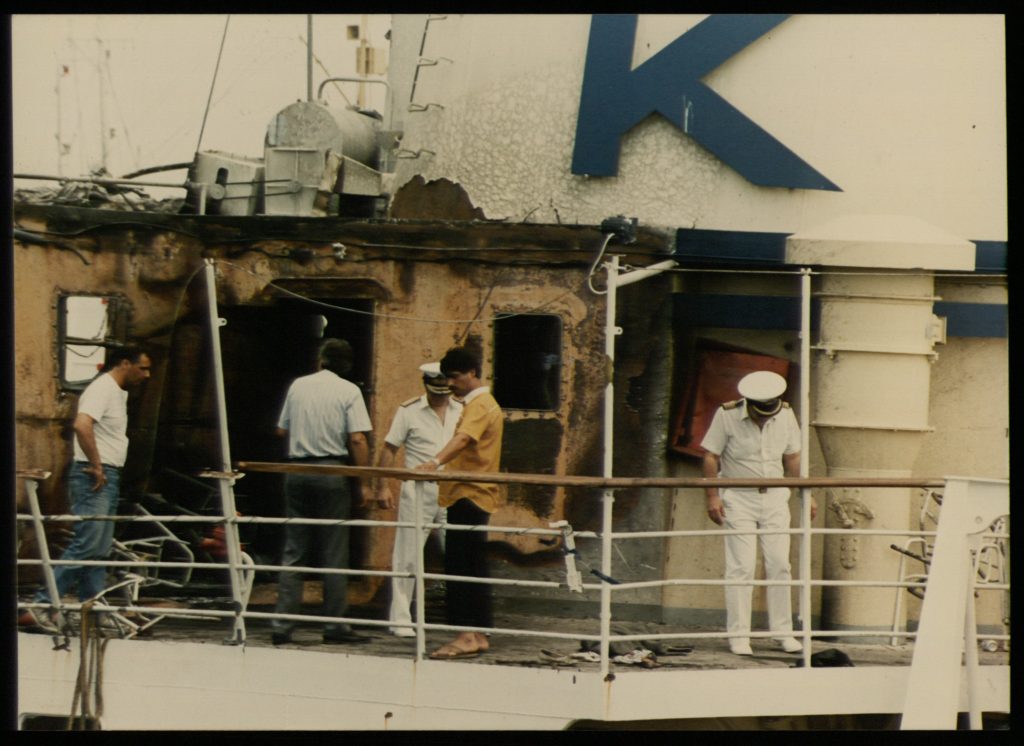
Image of the damage to the City of Poros ship.
The attack was believed to be retaliation for Greece’s decision weeks earlier to extradite a suspected Palestinian militant to Italy—angering factions that had previously considered Greece a relatively sympathetic or neutral country.
In 1989, two men linked to the Abu Nidal group were convicted in a Greek court. One of the attackers fled to Libya and was never extradited.
Aftermath & Legacy
The attack shocked Greece and the wider international community. At the time, Greece was considered a relatively peaceful European destination, even as terrorism escalated across Western Europe and the Middle East. The City of Poros attack shattered that perception—and forced Greek authorities to reassess maritime security and international counterterrorism cooperation.
The European Community’s Trevi Group, which focused on anti-terrorism coordination, convened an emergency meeting in Athens to discuss maritime terrorism, for the first time elevating it as a European security priority.

FILE PHOTO: A vessel said to be Greek-operated, Liberia-flagged Eternity C sinks in a footage released by Yemen’s Houthis, in the Red Sea, in this screen grab taken from a handout video released on July 9, 2025. Handout via REUTERS
Now, nearly 40 years later, renewed conflict in the Middle East has brought concerns about the risks of Greece’s entanglements in regional instability back to the forefront. Greek maritime security is once again under scrutiny—especially in the wake of this week’s deadly Houthi attacks on Greek-owned cargo ships. The Houthis have justified their actions by claiming that Greece’s support for Israel makes the country and its interests legitimate targets.
Meanwhile, Greece’s closer alignment with Western powers—including the use of the U.S. military base in Crete during operations in Libya—and its perceived tilt toward Israel in the Hamas–Israel war have reignited long-standing fears. As tensions in the region escalate, so too do questions about whether Greece’s strategic choices could place its citizens, businesses, and interests in harm’s way.