In the summer of 1951, the waters off Corfu concealed a tragedy that would become one of the most shocking stories of postwar Greece.
Sixteen-year-old Vanda Pierri was in the Mon Repos, south of Corfu city, which housed the royal summer residence until 1967. She had gone swimming a young man named Giorgos Athanasainas. The two were swimming in relatively shallow water when a large marine animal attacked them.
Vanda did not survive. The young man who was with her was injured but managed to escape with his life. The news sent shock waves through Corfu and quickly reached the Athens press.
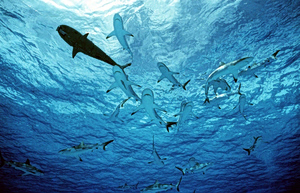
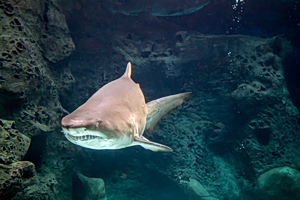
Contemporary reports described the incident as a shark attack, while later accounts identified the animal as a great white shark. The case has been recorded as one of the most notable shark attacks associated with Greek waters.
The Girl Who Became a Symbol of Tragedy
Vanda Pierri was just 16 years old. According to later accounts, she was a student and came from a well-known Corfu family. Her time in the sea that August afternoon would end in a tragedy that shocked the entire island.
News of the attack spread rapidly. The word “shark” passed from person to person, and the sea, until then associated with carefree summer days, suddenly became a source of fear.
The tragedy was so unusual for the time that it remained alive in the collective memory of Corfu residents for years. Later accounts even referred to searches for the animal and stories about whether it was eventually found or killed. Many of those details, however, belong to later retellings and are not all confirmed by primary sources.
Pavlos Palaiologos’ Chronicle
The story of Vanda Pierri did not remain confined to brief news reports. Pavlos Palaiologos, one of the leading journalists and columnists of his era, addressed the tragedy in the pages of TO VIMA.
His chronicle, as described in later republications, approached the event in a highly literary and dramatic style. Palaiologos did not limit himself to a detached account of an accident. He put into words the terror, grief and shock of an entire community watching a young girl disappear into the sea.
In his text, the sea takes on almost mythical dimensions. The shark is presented as a primordial “beast,” while Vanda’s tragedy is linked to the figures and myths of Greece’s maritime world.
“And the beast came. The Dragon that had caught the scent of human flesh,” reads one excerpt preserved in a later reference to the chronicle. A little later, he wrote: “The evil was done. A red stain on the blue sheet.”
Palaiologos’ language captures the atmosphere of the era: its drama and emotion, but also the way a journalist could transform a real event into a piece of writing that went far beyond the boundaries of a straightforward news report.