 Μake us preferred on Google
 Documents uncovered by a researcher in Munich’s archives raise doubts about where Adolf Hitler was when his niece died under suspicious circumstances in his apartment in 1931, Der Spiegel magazine reports.
Geli Raubal, the daughter of Hitler’s half-sister Angela Raubal, moved to Munich in 1927 and lived for years in her uncle’s home. She died from a gunshot wound to the chest from a pistol that belonged to Hitler, and her death was officially ruled a suicide. Even at the time, however, the press and political opponents of the National Socialist Party (NSDAP) questioned that conclusion and voiced suspicions that Hitler was involved.
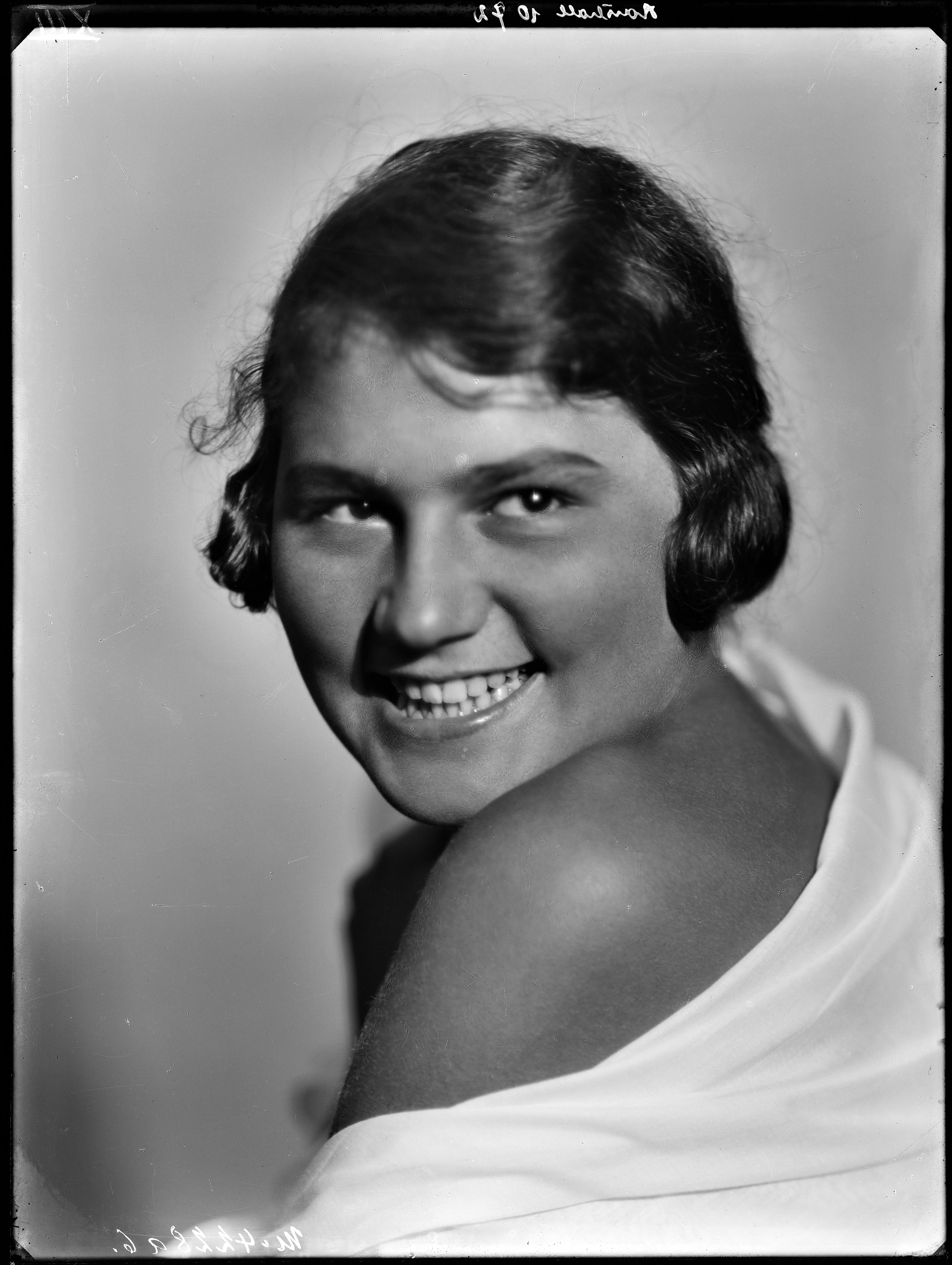
Geli Raubal. Source: Wikimedia Commons
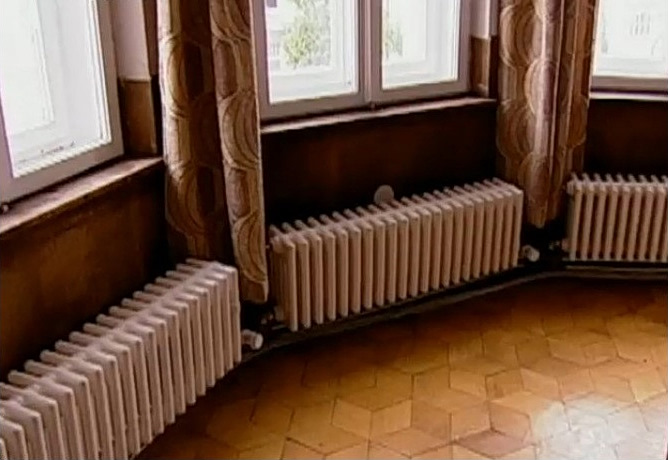
Here stood the sofa where Geli Raubal shot herself. Source: Wikimedia Commons
Author Harald Sandner, known for his historical works on the German dictator, found two death notices and an official death record in Munich’s state and city archives that cast doubt on the official version of events, according to the magazine’s report.
The Official Account
According to the official account, Hitler’s personal servant, Georg Winter, found the 23-year-old’s body on the floor of her locked room on the morning of Saturday, September 19, 1931. Hitler’s alibi was that he had already left Munich on the afternoon of September 18 and spent the night in Nuremberg. This by all accounts, would clear him of any direct involvement.
New Documents, New Insights
However, the three documents state that the body was found at 10:15 a.m. on September 18, while Raubal’s uncle was still in Munich. Hitler attended a party rally between 10:30 a.m. and 12:30 p.m. and left for Nuremberg in the afternoon.
The official timeline of events is based on a police report dated September 28, ten days after Raubal’s death. Sandner told Der Spiegel that the discrepancy in the dates may point to a cover-up by the police, raising questions about whether Nazi sympathizers within the force played a role. Another suspicious sign is that no autopsy was ever performed. Sandner noted, however, that the documents strengthen the suspicions but do not prove anything with certainty.
Speaking to The Telegraph, Sandner went further, saying he had found an overwhelming body of evidence placing Hitler at the scene. He plans to publish his findings in a book in November, which he said will show that Hitler was the “chief suspect” in his niece’s death.
Historians Divided
Not all experts are convinced. Heike Görtemaker, a leading historian of Hitler and his inner circle and the author of a biography of Eva Braun, told The Telegraph that the new evidence had not persuaded her. She believes the most likely explanation for the gap between the police report and the death record is a simple transcription error.
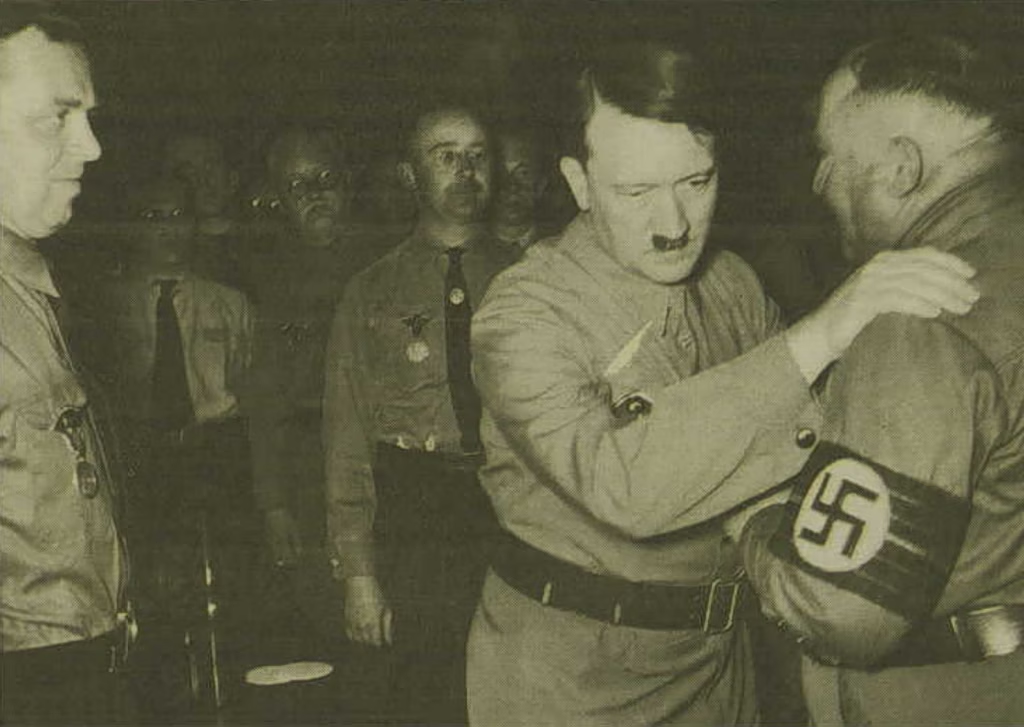
At the time, the Nazi leader was on his way to power, which he gained in January 1933 when he was appointed chancellor. This hastened the end of the Weimar Republic and the rise of the totalitarian regime.
According to historian Thomas Weber, Hitler sought to present himself as “the embodiment of all virtues and values,” and the suspicion that he might have been involved in his niece’s death damaged that image.
Reports of a Violent Argument
The Münchner Post, a newspaper aligned with the Social Democrats, reported at the time that Hitler and his niece had a bad argument, that the body showed injuries, and that NSDAP officials held an emergency meeting at party headquarters to decide how to present the case to the public. Other newspapers suggested that Hitler had killed his niece himself, or had others kill her, because he wanted to control her. Hitler publicly denied the allegations in a statement.
The argument may have been sparked by his refusal to let her leave for Vienna, where she hoped to pursue a career as a singer.