 Μake us preferred on Google
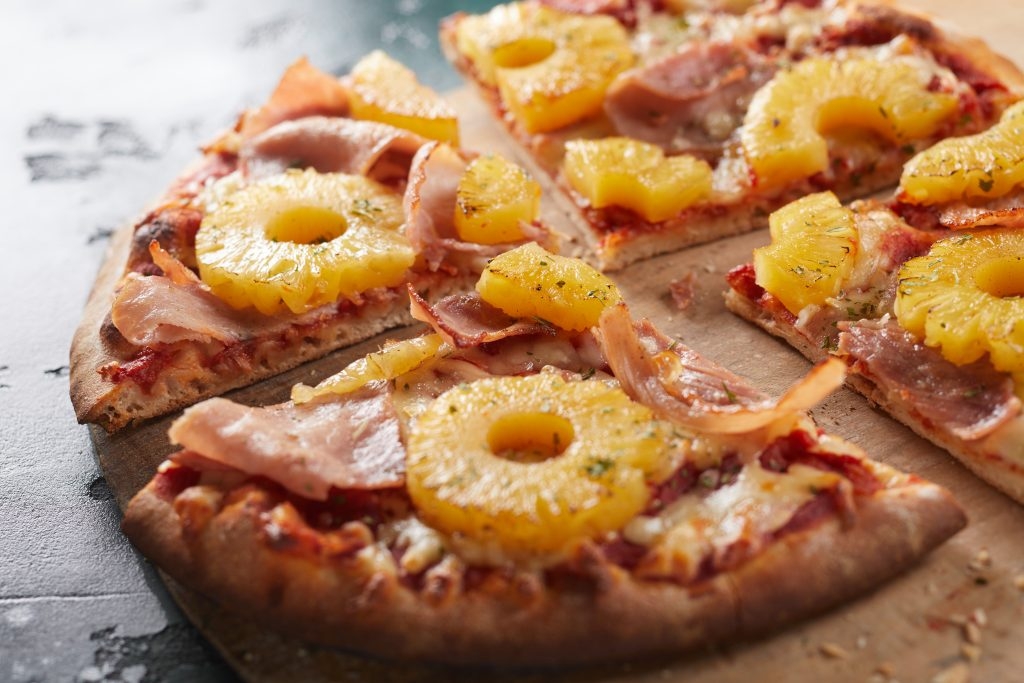
 Years before its now infamous airing of a “Panorama” documentary that spliced together quotes by Donald Trump, made in early 2021, to make it appear that he was urging supporters to storm the US Capitol, the BBC had happily posted and reposted an article regarding the appearance, rapid popularity and subsequent opprobrium generated by the … “Hawaiian Pizza”, i.e. adding the tropical pineapple to Italy’s most celebrated culinary export.
The “Greek angle” involved, however, is what touches, matter-of-factly, netizens in the east Mediterranean country.
According to the BBC’s “Bitesize” platform, the “…the pizza’s commercial success is often pinpointed as having been sparked in Canada by a Greek immigrant called Sam Panopoulos in 1962.”
The article goes on to add that “…Panopoulos, along with his brothers, owned a restaurant in the province of Ontario. The food was initially very simple – traditional diner dishes such as pancakes and burgers. Inspired by a recent trip to Naples, Panopoulos decided to introduce pizza to the menu.”
It was a relatively new dish in North America and, at the time, with most pizza being served with mushrooms, bacon or pepperoni as toppings. Panopoulos did the same, but as he became more adventurous with other dishes, introducing Americanised versions of Chinese meals such as sweet and sour chicken, which also includes pineapple, he decided to take a risk with his pizzas as well.
The piece relates as to how the Greek émigré added canned pineapple to one pizza, with ham – not knowing whether it would be a hit or not, but soon found the combination of sweet and savoury was proving a winner with his customers.
“But why? One possible reason is the growing fascination at the time with Tiki culture. Hawaii had officially become an American state in 1959 and people had fallen in love with the island lifestyle. Canned pineapple began to be imported into North America, along with pineapple juice – providing Panopoulos with his crucial ingredient.
“As for the name, the brand of tinned pineapple was called Hawaiian, so Panopoulos’s invention was named in its honour,” the posted and reposted BBC story relates.