More than 900 people are believed to have been infected during an ongoing Ebola outbreak in the Democratic Republic of Congo, according to the Director-General of the World Health Organization (WHO).
WHO chief Tedros Adhanom Ghebreyesus said that intensified surveillance efforts have identified more than 900 suspected cases of the virus, which causes hemorrhagic fever. Of those cases, 101 have been confirmed through laboratory testing.
No updated death toll was provided by the WHO chief. However, the latest official figures released by the country’s health ministry on Saturday reported 204 deaths among 867 suspected cases linked to the outbreak.
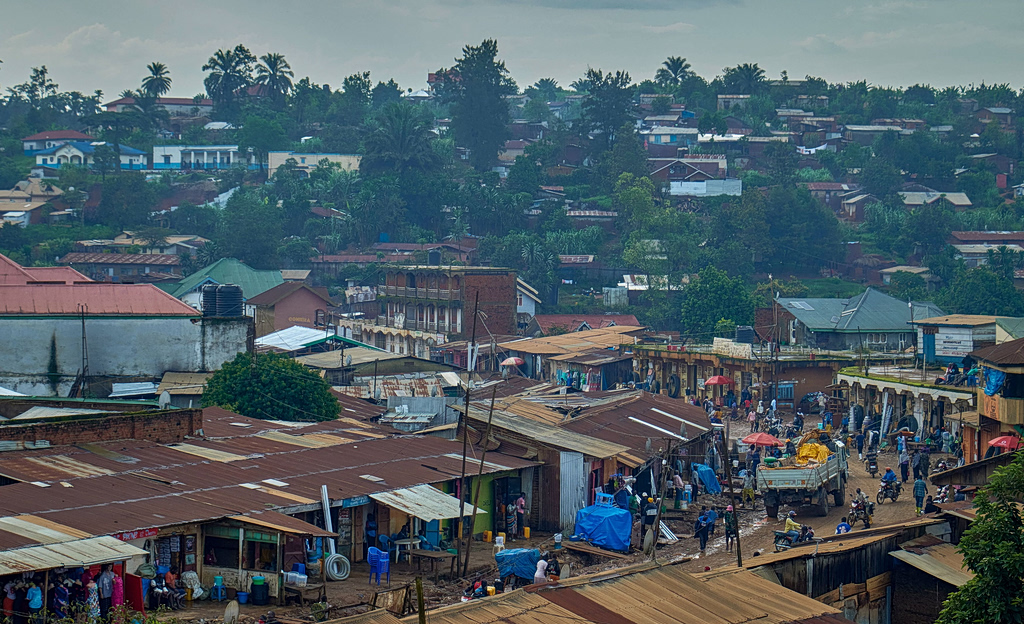
A residential area in Mongbwalu, Democratic Republic of Congo, as aid agencies intensify efforts to contain an Ebola outbreak caused by the Bundibugyo virus, May 23, 2026. REUTERS/Gradel Muyisa Mumbere
Rare Ebola Strain Driving the Outbreak
The Democratic Republic of Congo officially declared the Ebola outbreak on May 15. Health authorities have attributed the epidemic to the rare Bundibugyo strain of the virus.
According to the information released, there are currently no vaccines or treatments available for this particular strain, which can have a fatality rate of up to 50%.
WHO Declares International Health Emergency
In response to the spread of the disease, the World Health Organization has declared the outbreak a Public Health Emergency of International Concern, a designation reserved for serious events that may require coordinated international action.
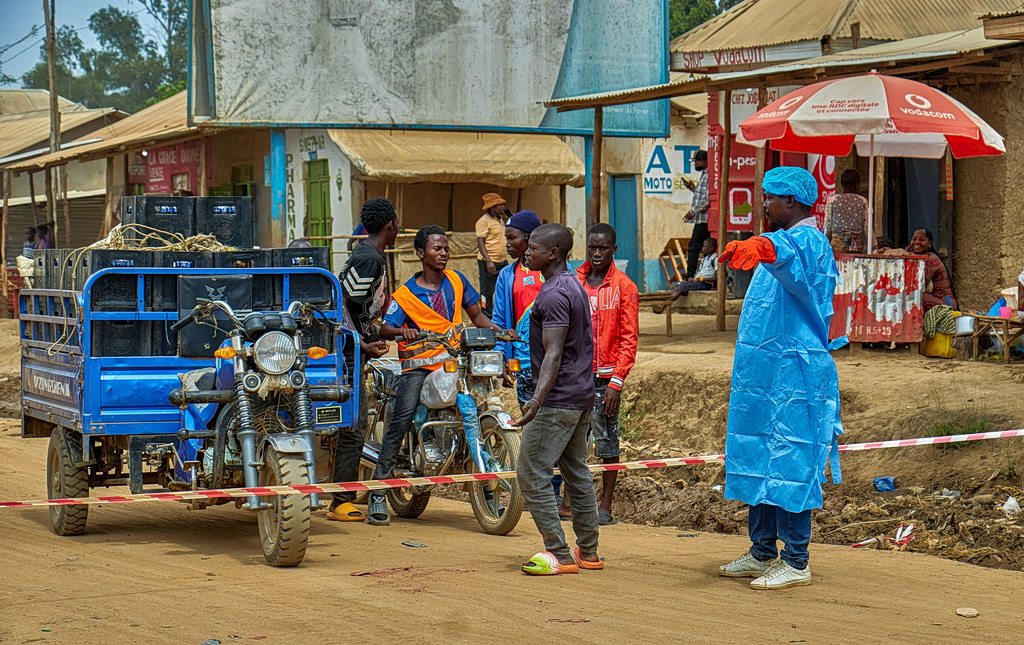
A medical worker directs motorcycle taxis for screening at a checkpoint, as aid agencies intensify efforts to contain an Ebola outbreak caused by the Bundibugyo virus in Mongbwalu, Democratic Republic of Congo, May 23, 2026. REUTERS/Gradel Muyisa Mumbere
The declaration comes as health officials continue efforts to track infections and contain transmission.
Ebola’s Long History in Africa
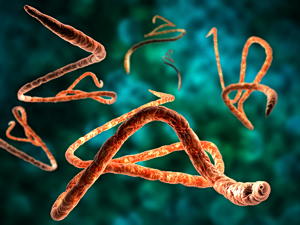
Ebola has claimed at least 15,000 lives across Africa over the past five decades, according to WHO data. The virus is known for causing severe hemorrhagic fever and has historically recorded fatality rates ranging from 25% to 90%, depending on the outbreak and the strain involved.