 Μake us preferred on Google
 The risk of Ebola infection within the European Union is “very low,” and there is nothing to suggest that European citizens need to take any special precautions beyond standard public health recommendations, the European Commission stated.
“We know that diseases do not stop at borders, and the same is true of Ebola,” Commission spokesperson Eva Hrncirikova said at a press briefing. “That is why we are doing everything we can to support the region,” she added.
The World Health Organization declared an international public health emergency on Sunday over a fresh Ebola outbreak in the Democratic Republic of Congo, a central African nation of more than 100 million people. This marks the country’s 17th recorded outbreak of the disease.
Humanitarian Support from the EU
The European Commission announced it is doing everything possible to assist the DRC. As part of that effort, a humanitarian airlift is being organized to deliver essential supplies and medicines to the affected area.
“A humanitarian air bridge is being set up, and through it we will soon be dispatching necessary supplies: medicines, protective equipment, infection control materials, tents, everything that is needed,” the Commission spokesperson said.
Low Global Risk, High Risk in Central Africa
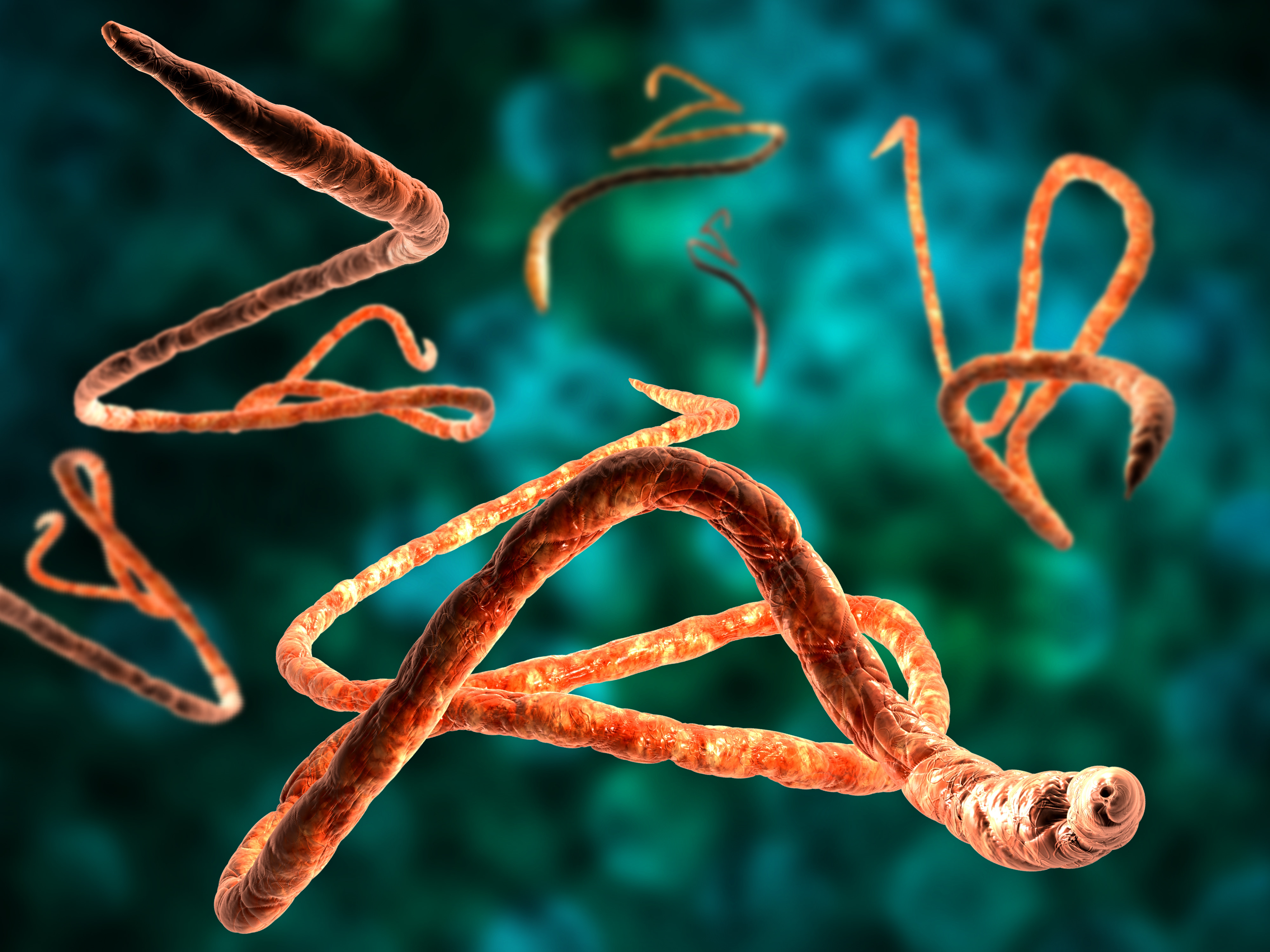
The Ebola virus causes hemorrhagic fever and carries a high fatality rate. Although it has claimed the lives of more than 15,000 people across Africa over the past 50 years, it is considered less contagious than COVID-19 or measles.
The WHO assessed the epidemiological risk from the DRC outbreak as “high” for Central Africa but “low” on a global scale.