
The European Commission is preparing a plan to provide Ukraine with a €140 billion loan, financed through profits generated from frozen Russian assets. According to a draft obtained by Politico, the proposal will be discussed by EU ambassadors on Friday, ahead of a leaders’ summit in Copenhagen next week.
The initiative seeks to resolve a long-standing legal issue: while EU authorities can use the interest generated by frozen Russian funds, they cannot directly access the principal. The loan would give Kyiv crucial financial breathing space to sustain its defense efforts and cover budgetary needs.
How the Loan Would Work
Most of the frozen Russian assets are held by Euroclear, a Brussels-based financial company, which invests the funds in Western government bonds. The interest generated is placed in an account at the European Central Bank. Under the Commission’s proposal, the EU would redirect this money to Ukraine by creating a zero-interest debt contract with Euroclear.
Euroclear currently holds around €185 billion in cash tied to Russian assets. Part of this would repay an existing G7 loan to Ukraine, while the remaining €140 billion would be disbursed in installments for defense cooperation and fiscal support.
Mixed Reactions Across Europe
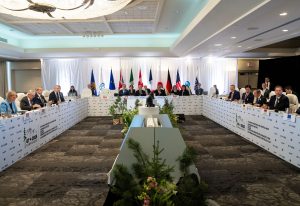
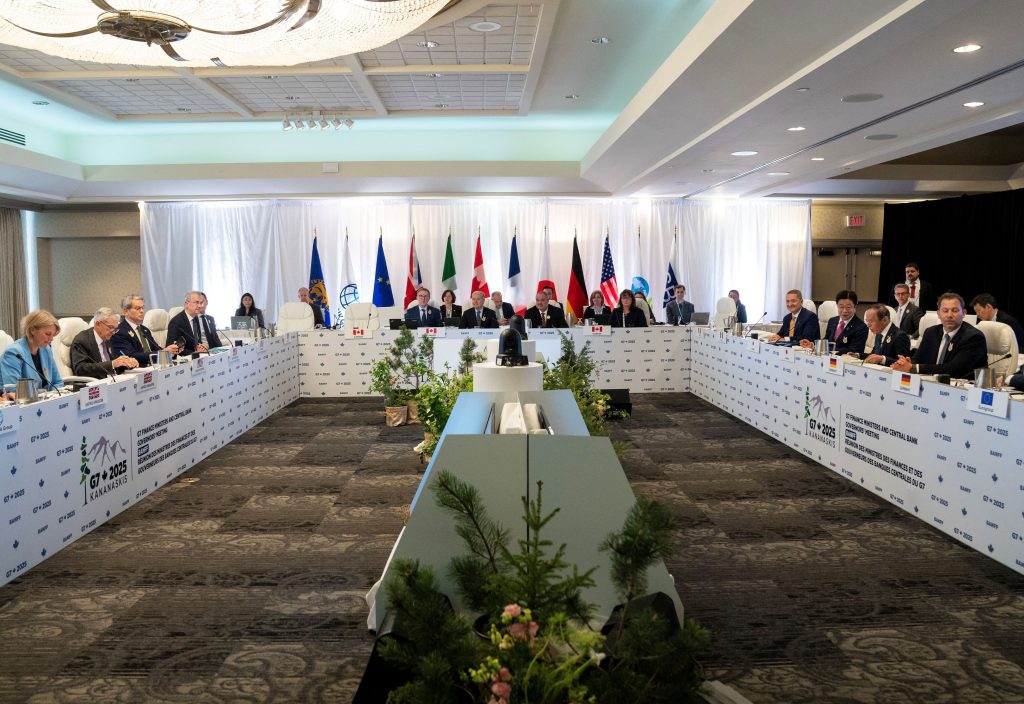
Germany has emerged as a key supporter of the so-called “reparations loan.” Chancellor Friedrich Merz endorsed the concept in a Financial Times opinion piece, though he emphasized that funding should be limited to military aid. The UK has floated a similar plan using approximately $25 billion of frozen Russian assets held domestically. G7 finance ministers are set to meet online next Wednesday to coordinate these efforts.
The Commission insists the proposal would not touch Russia’s sovereign assets and that Ukraine would only be required to repay the loan once Moscow ends the war and pays reparations. In that case, the EU would reimburse Euroclear to fulfill its legal obligations toward Russia.
Potential Obstacles
The main risk lies in the EU’s sanction renewal process, which currently requires unanimous approval every six months. A single country—such as Hungary—could block the extension, potentially unfreezing Russian funds and undermining the loan arrangement.
To avoid this, the Commission has suggested shifting from unanimity to qualified majority voting on sanctions renewals, a move that would demand high-level political agreement among EU leaders.
If adopted, the plan would represent one of the largest financial commitments by the EU to Ukraine since the start of the war.