 Μake us preferred on Google
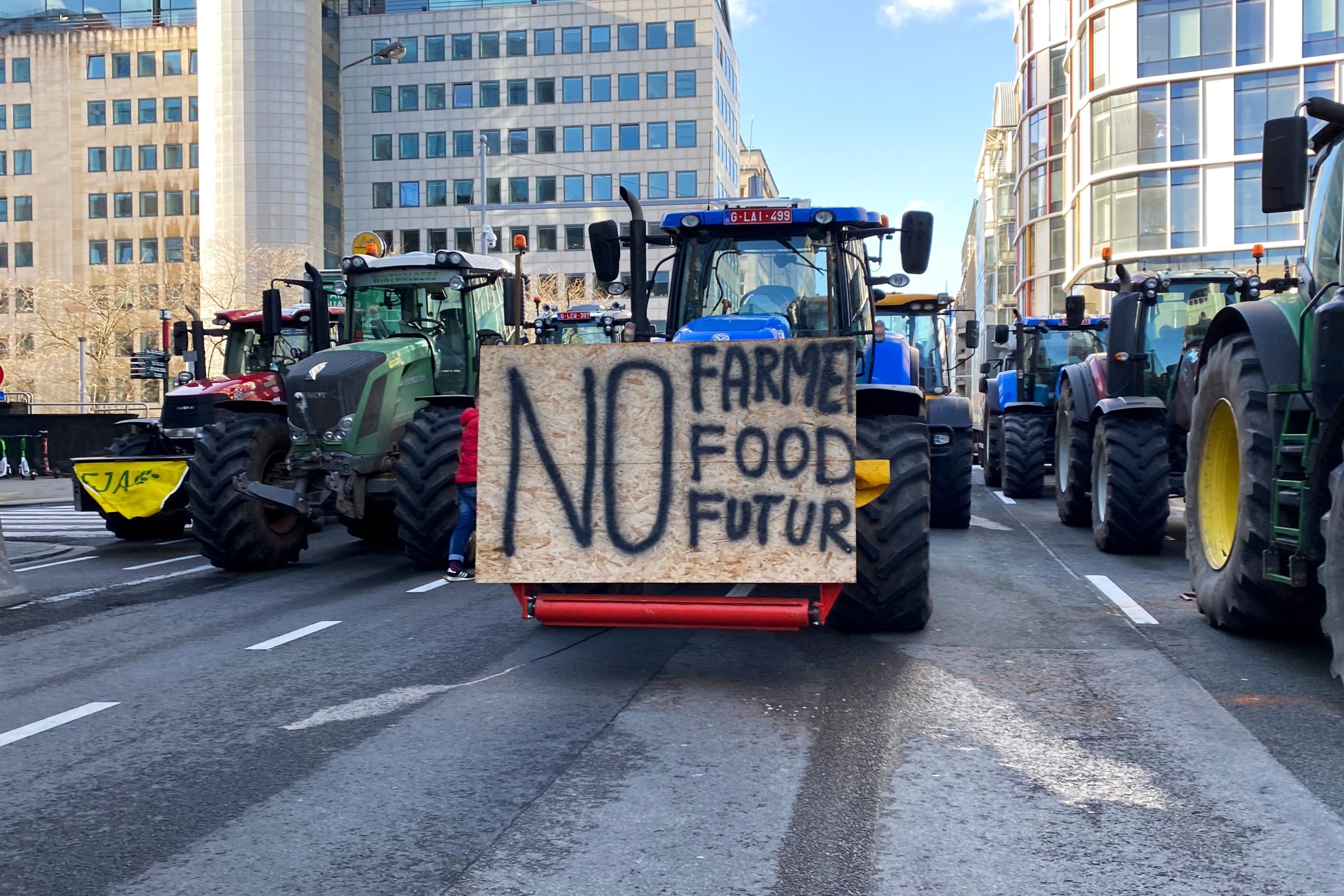
 The European Parliament has approved new measures aimed at boosting the negotiating power of farmers within the food supply chain, as part of revisions to the Common Agricultural Policy (CAP). The changes are designed to help stabilize farmers’ income and promote fair trading practices.
Key measures include mandatory contracts for agricultural deliveries, with a lower minimum threshold of €4,000, down from the €10,000 proposed by the European Commission. Member states may exempt certain sectors under specific requests.
The Parliament also calls for clearer product labeling, particularly for “fair trade” goods, emphasizing transparency about contributions to rural communities. Products labeled as “short supply chain” must be EU-produced with minimal intermediaries or transported over short distances.
Imports from third countries will now be required to meet the same pesticide residue limits as EU-produced food and animal feed. Public procurement will prioritize EU-produced, local, and seasonal products, with special attention to those carrying EU geographical indications.
Additionally, the definition of meat is clarified: terms like “steak,” “fillet,” “sausage,” or “burger” can only be used for products containing actual meat, excluding cell-cultured alternatives.
Céline Imart, the Parliament’s rapporteur, emphasized that farmers’ income is not just a statistic but a matter of fairness, dignity, and survival, highlighting the importance of secure contracts and balanced commercial relationships.
The next stage involves negotiations with EU member states starting October 14, which will finalize the proposed law. These reforms aim to strengthen farmers’ positions in the food chain while protecting consumers and maintaining high EU food standards.