Wildfires and successive heatwaves across Europe have already caused more than €3 billion in economic losses in 2026, according to a Financial Times analysis, highlighting the rising cost of extreme weather events linked to climate change.
Nearly 500,000 hectares have burned since the beginning of the wildfire season, with restoration costs estimated at €3.1 billion in the five most affected eurozone countries: France, Spain, Portugal, Greece and Romania.
The figure already exceeds the European Commission’s estimate of an average annual wildfire cost of €2.5 billion across the entire European Union.
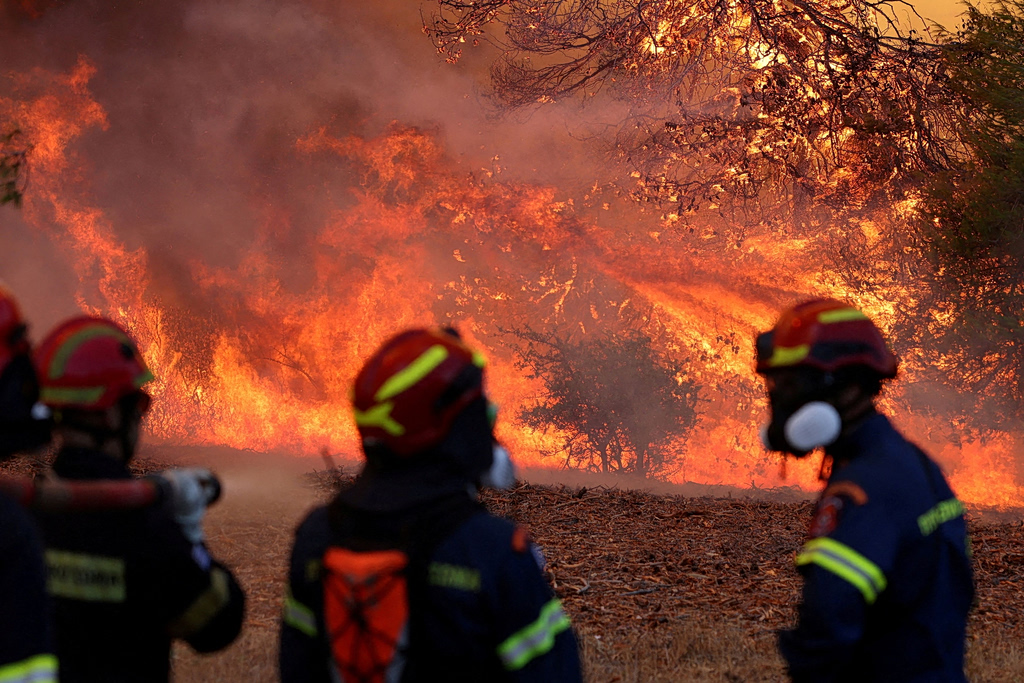
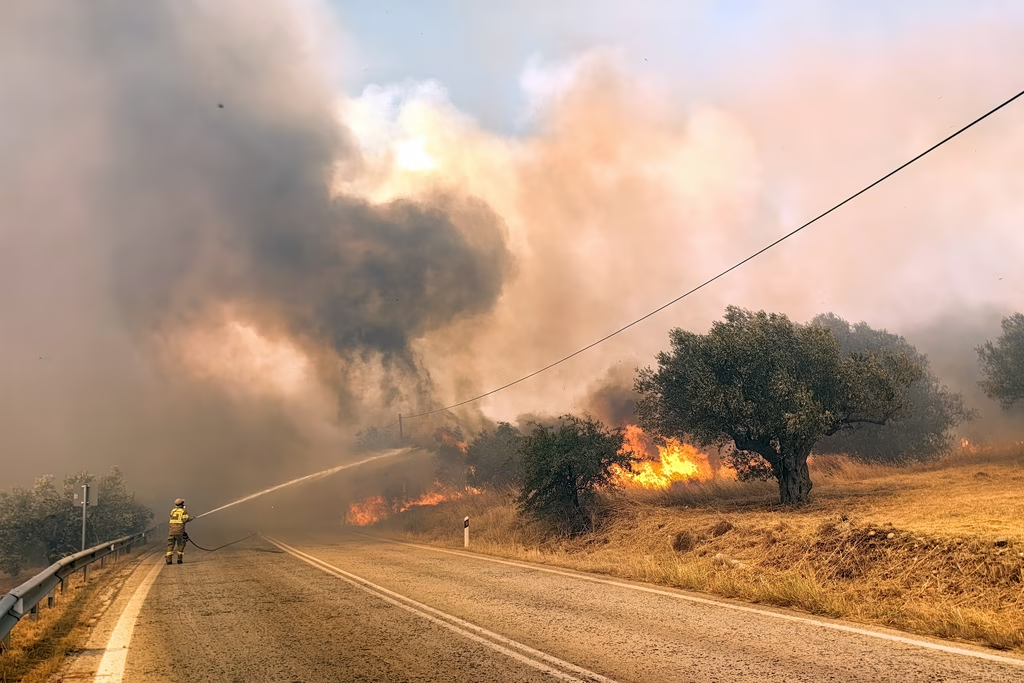
Firefighters battle a wildfire near the village Agia Paraskevi, Greece, August 2, 2026. REUTERS/Stelios Misinas TPX IMAGES OF THE DAY
The calculations mainly include the cost of reforestation and restoring burned land. They do not yet account for damage to homes, businesses, crops and tourism, nor for longer-term consequences such as higher insurance costs and increased investment in firefighting equipment.
Wider Economic Impact Across Europe
The prolonged drought affecting Europe is creating additional economic pressures.
Low water levels in the Rhine and Danube rivers are disrupting freight transport and affecting industrial activity, while Hungary and Romania have reduced operations at nuclear power plants due to insufficient water supplies needed to cool reactors.
Sarah Meier, a climate economist at ETH Zurich, warned that the true economic cost of the wildfires could be more than three times higher than current estimates, particularly if fires spread into urban areas.
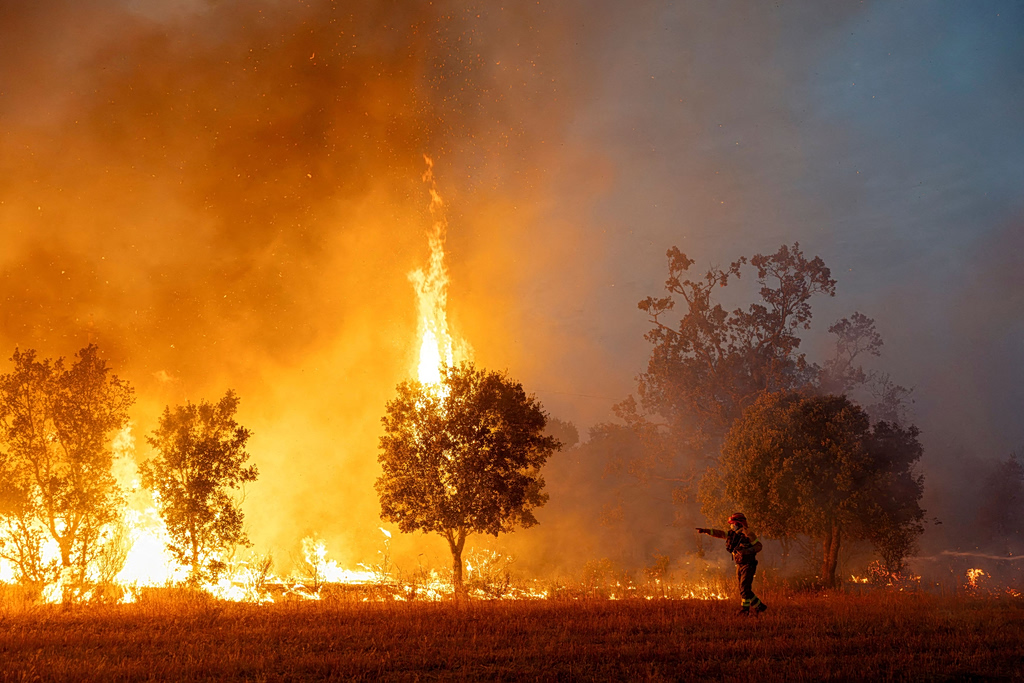
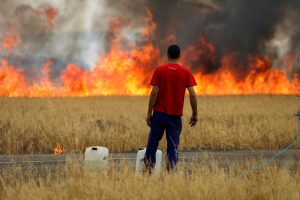
FILE PHOTO: A firefighter works to extinguish an advancing wildfire near Formariz in Zamora province, Spain, July 29, 2026. REUTERS/Umit Bektas/File Photo
She noted that many consequences are rarely fully calculated, including health impacts caused by air pollution and other indirect losses.
Wildfires Disrupt Industry and Agriculture
In France, wildfires in the Gironde region forced industrial groups including Safran, Dassault Aviation and ArianeGroup to temporarily suspend production and evacuate facilities.
The fires also affected tourism, oyster farming in the Arcachon Basin and thousands of local businesses, with around 20,000 companies temporarily halting operations.
In Spain, wildfires came within approximately 50 kilometers of Madrid, destroying homes, vehicles and agricultural land in rural areas.
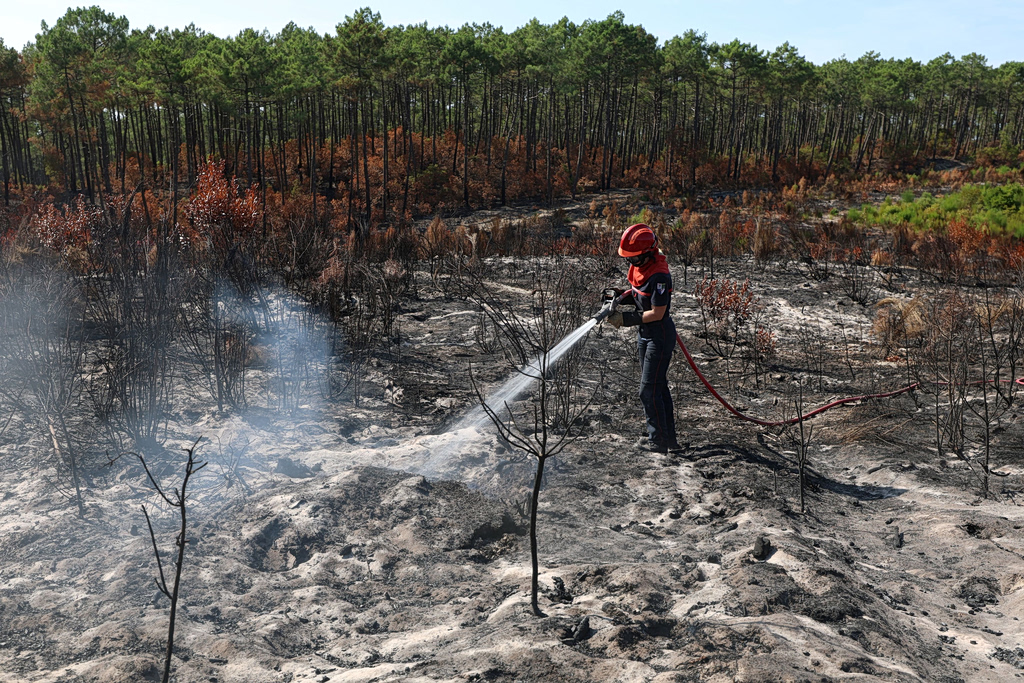
The country’s Union of Small Farmers and Ranchers (Unión de Pequeños Agricultores y Ganaderos) estimated that around 18,500 hectares of productive land have already been lost, mainly pasture areas.
Despite the scale of the damage, the losses are not expected to have a significant impact on Spain’s national gross domestic product (GDP).
Hidden Costs of Climate Disasters
Ioannis Koundouris, associate professor at Imperial College, said many consequences of wildfires are not reflected in economic calculations, including increased hospitalizations linked to air pollution.
Andrew Cunningham, chief Europe economist at Capital Economics, told the Financial Times that the Gironde region accounts for only around 2.5% of France’s economic output.
He said reconstruction spending could temporarily boost GDP in the short term, but it would not represent genuine economic growth.
As Meier emphasized, such spending mainly replaces capital that has already been destroyed rather than creating new economic value.