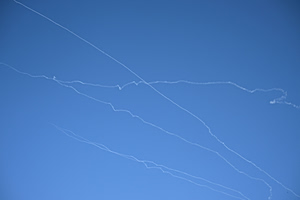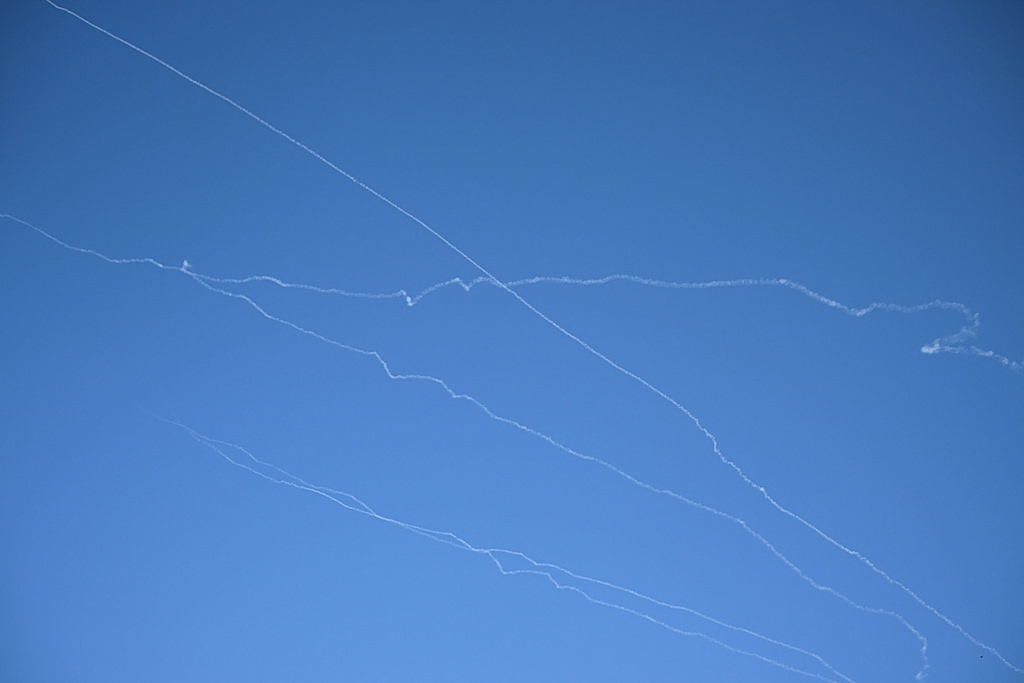
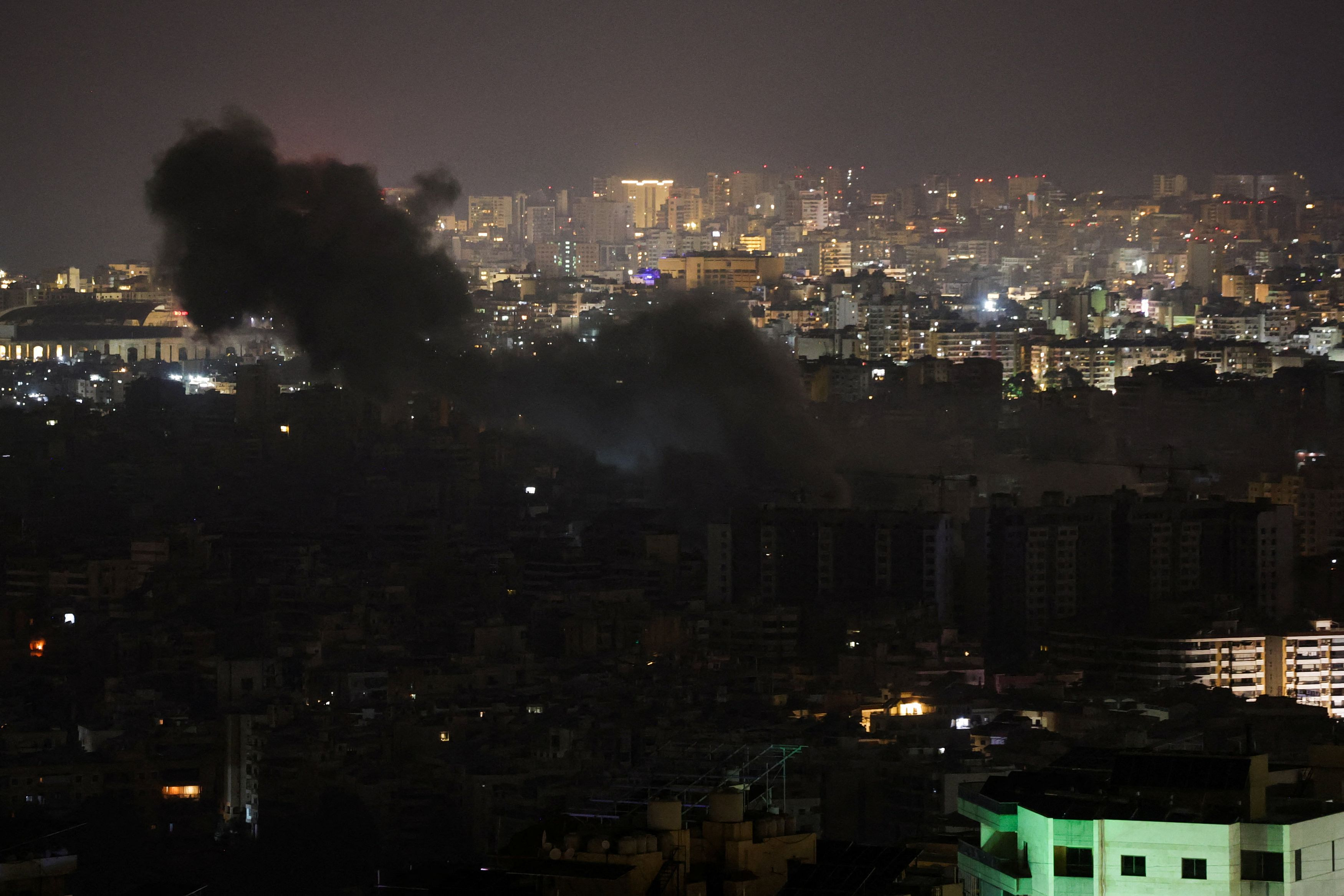
Environmental experts are warning that the ongoing conflict in the Middle East could lead to severe and long-lasting environmental damage, as military strikes risk releasing hazardous substances into both land and marine ecosystems.
According to specialists, attacks on military infrastructure rarely destroy dangerous materials completely. Instead, remnants of fuels, chemicals and explosive compounds may remain in the environment and spread contamination.
The Conflict and Environment Observatory (CEOBS), a UK-based research group, says incomplete destruction of such materials during airstrikes or missile attacks can lead to additional pollution in affected areas.
Toxic substances left behind
Experts note that strikes on military facilities can release fuels, oils, heavy metals and chemical residues, especially when fires break out after explosions.
Areas hit by attacks involving conventional weapons may also become contaminated with propellants and explosive materials, many of which are toxic. These substances can remain in soil and water for extended periods, posing risks to ecosystems and potentially affecting nearby communities.
One compound often associated with high-powered explosives is TNT, which can persist in the soil for long periods. The United States Environmental Protection Agency classifies TNT as a possible human carcinogen.
According to CEOBS, elevated concentrations of the substance have still been detected in battlefields from the World War I, demonstrating how long such contamination can remain in the environment.
Risks from missile systems
Destroyed missile facilities also present environmental risks. CEOBS notes that Iran operates missiles using both solid and liquid fuels, some of which contain highly toxic components that are difficult to dispose of safely if released during attacks.
Threats to marine ecosystems
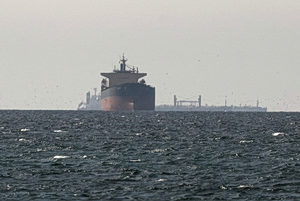
The conflict could also affect marine environments. Experts warn that attacks on vessels near the Strait of Hormuz could lead to oil spills, potentially causing significant damage to marine life.
Sources also suggest that explosive naval mines have been placed in the strategic waterway. Over time, aging mines may begin to leak toxic explosive substances, further threatening marine ecosystems.
Impact on land environments
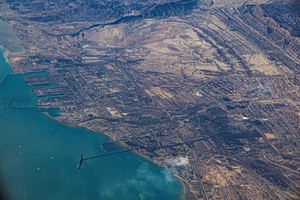
Beyond pollution, heavy bombardment can also have physical impacts on landscapes. In mountainous areas, repeated strikes may trigger small-scale landslides, altering terrain and damaging local ecosystems.