 Μake us preferred on Google
 The U.S. Department of Health and Human Services (HHS) has confirmed the first human case of the New World screwworm, a flesh-eating parasite, within the United States. The infection, linked to a patient who had recently returned from El Salvador, was verified on August 4 by the Centers for Disease Control and Prevention (CDC).
“The risk to public health in the United States is very low,” said HHS spokesperson Andrew G. Nixon. The case was investigated by Maryland’s Department of Health in collaboration with the CDC.
So far this year, no cases have been detected in animals across the U.S., but the confirmation has heightened fears in the livestock sector. Ranchers and meat producers are already on alert as the parasite continues to spread northward from Central America and southern Mexico.
Just days before the announcement, U.S. Agriculture Secretary Brooke Rollins revealed plans to build a sterile-fly production facility in Texas to fight the parasite. According to the U.S. Department of Agriculture (USDA), an outbreak could cost Texas—the nation’s largest cattle-producing state—up to $1.8 billion in livestock losses, labor, and treatment expenses.
What is the screwworm parasite?
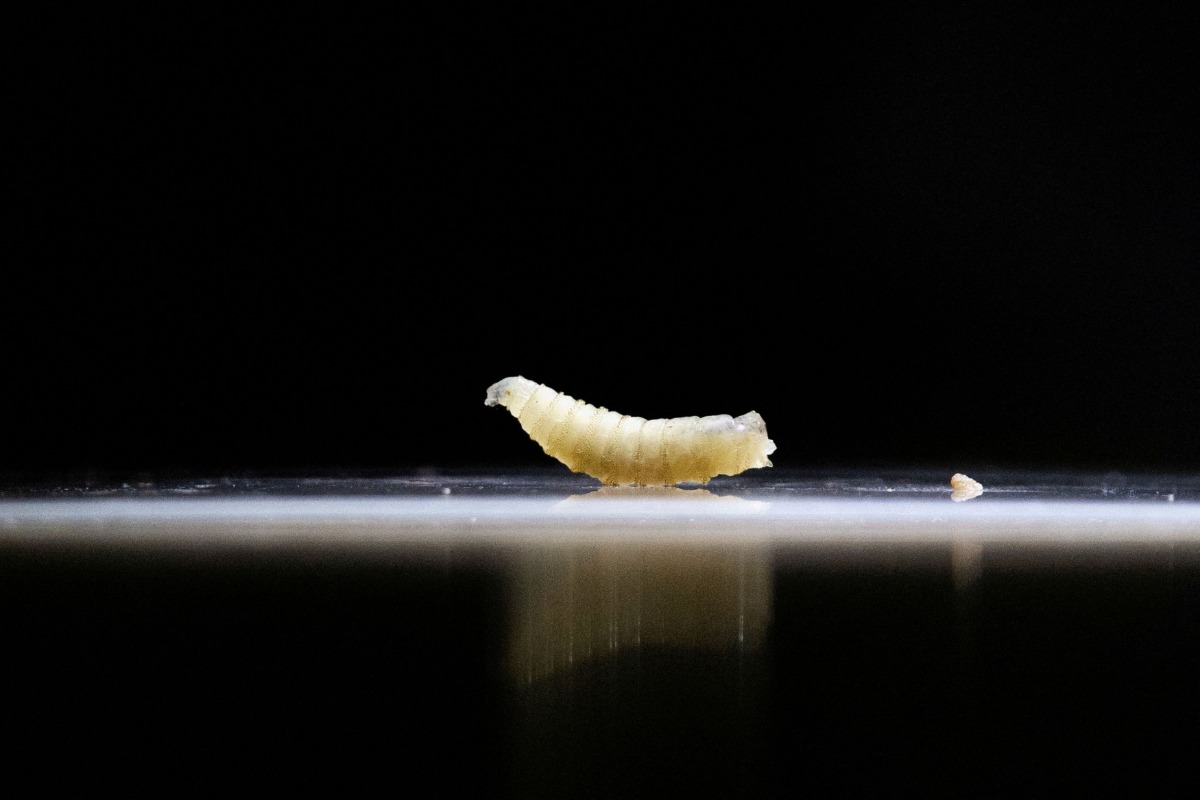
The screwworm is a parasitic fly whose females lay eggs in open wounds of animals. Once hatched, hundreds of larvae burrow into living tissue, feeding on it and potentially leading to death if untreated. Human infections are rare but can also be fatal. Treatment involves the painful removal of larvae and complete wound sterilization.
To contain the threat, the USDA has restricted cattle imports from Mexico. Currently, the only sterile-fly production center operates in Panama, with a weekly output of 100 million flies—well below the 500 million estimated to be needed to halt the parasite’s spread.
Since 2023, the screwworm has been advancing northward and remains endemic in Cuba, Haiti, the Dominican Republic, and several South American countries.