 Μake us preferred on Google
 France and Italy have opened talks with Iran in hopes of securing safe passage for ships through the Strait of Hormuz, as European governments seek ways to restart energy shipments from the Gulf amid escalating regional tensions.
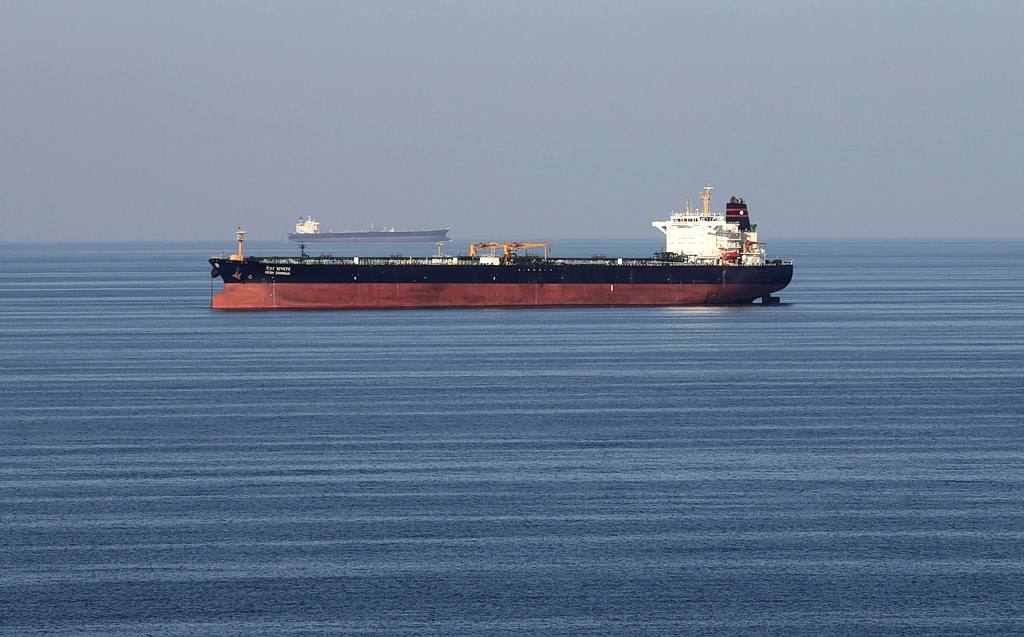
As reported in Financial Times, according to officials briefs on the discussions, the outreach aims to negotiate guarantees for European vessels navigating the strategic waterway, through which about one-fifth of the world’s oil and liquefied natural gas normally flows.
Shipping traffic through the narrow chokepoint has fallen to negligible levels following Iranian attacks on tankers and a pledge by Iran’s new supreme leader, Mojtaba Khamenei, to keep the strait closed.
Uncertain Talks With Tehran
Officials who briefed FT, said the tentative discussions are intended to help restart oil and gas exports without widening the conflict, though there is no guarantee the talks will succeed or that Iran is willing to negotiate on the issue.
Iran is widely suspected of attempting to drive up global oil and gas prices in order to pressure Donald Trump to end the conflict.
The outreach also reflects growing concern in Europe about the economic consequences of a prolonged closure of the strait, which could raise energy costs for businesses and households across the continent.
Rising Energy Prices Alarm Europe
Oil prices have climbed to around $100 per barrel, up from roughly $60 at the beginning of the year, while European natural gas prices have surged by 75% over the same period.
European governments fear that continued disruption could further strain national budgets and worsen existing economic challenges.
Divisions Within Europe
European countries are not unified on how to approach Iran. One official said some governments support direct dialogue with Tehran, while others oppose such outreach, complicating efforts to coordinate a response.
Britain is not holding direct talks with Iran about access to the strait. However, Yvette Cooper is currently discussing oil supply continuity with Gulf states during a visit to Saudi Arabia.
Naval Protection Limited
Several European nations already have naval deployments in the region. Italy, France and Greece have warships in the Red Sea as part of the EU’s Aspides naval protection mission.
However, officials said no European navy is currently prepared to escort ships through the Strait of Hormuz if there is a risk of attack, citing fears that such actions could escalate the conflict.
French President Emmanuel Macron has indicated that France could consider escorting vessels if tensions ease. In recent remarks, he said Iran must guarantee freedom of navigation and bring an end to the closure of the strait.
Italy’s defense minister Guido Crosetto said European governments are trying to present a united position, including formally requesting that ships from countries not involved in the conflict be allowed to pass safely through Hormuz.
Turkish-Owned Ship Allowed Through Strait
In a related development, a Turkish-owned ship was allowed to pass through the Strait of Hormuz after receiving permission from Iranian authorities, according to Abdulkadir Uraloglu.
Uraloglu said that 15 Turkish-owned ships had been waiting near Iran, and that approval had been obtained for one vessel, the Rozana, which had previously used an Iranian port and was subsequently allowed to transit the strait.
The minister added that Turkey had issued the highest-level security warning for the strait and was maintaining contact with Iranian officials regarding the remaining 14 Turkish-owned vessels in the area. According to the ministry, those ships have 171 personnel on board.