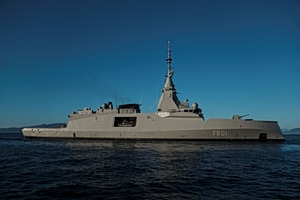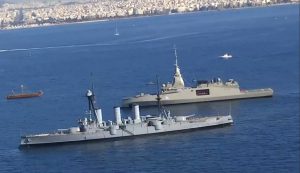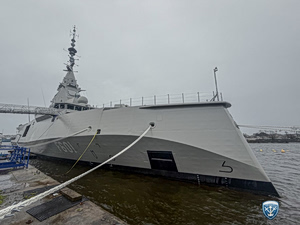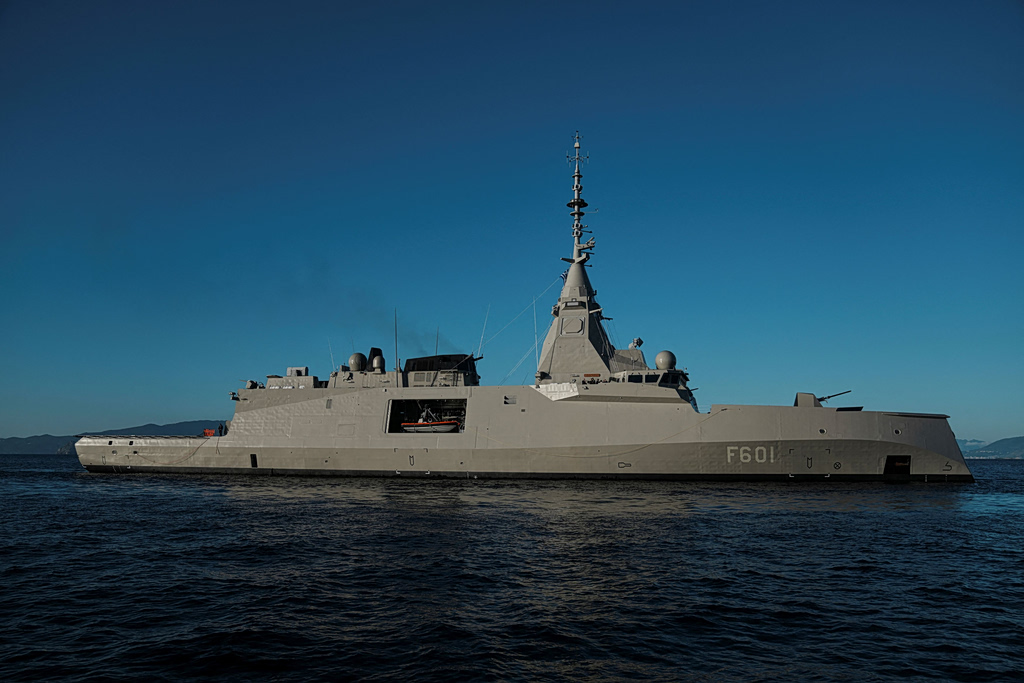
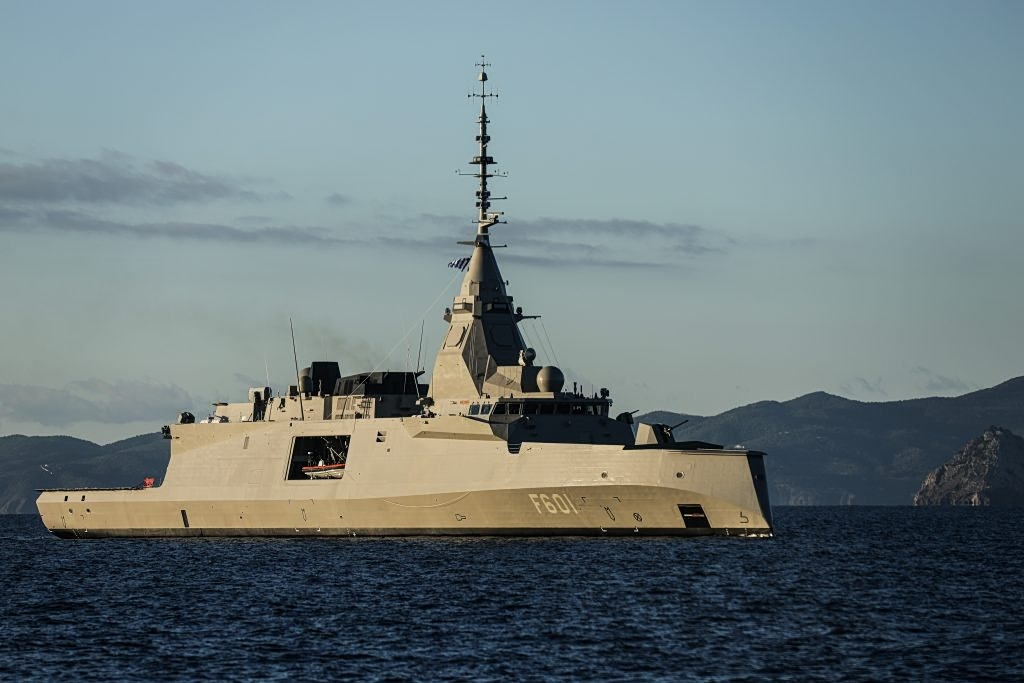
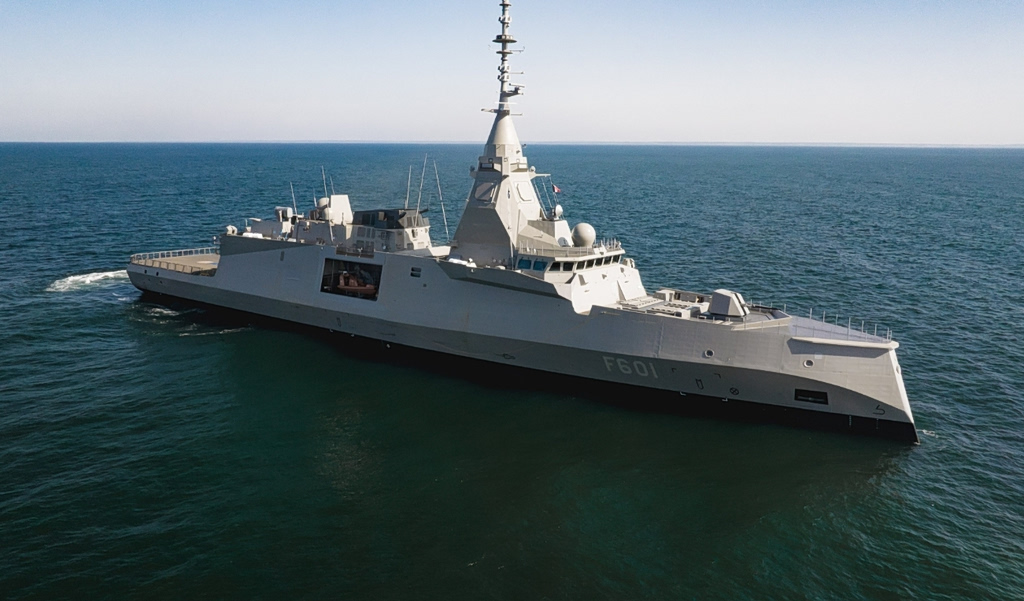
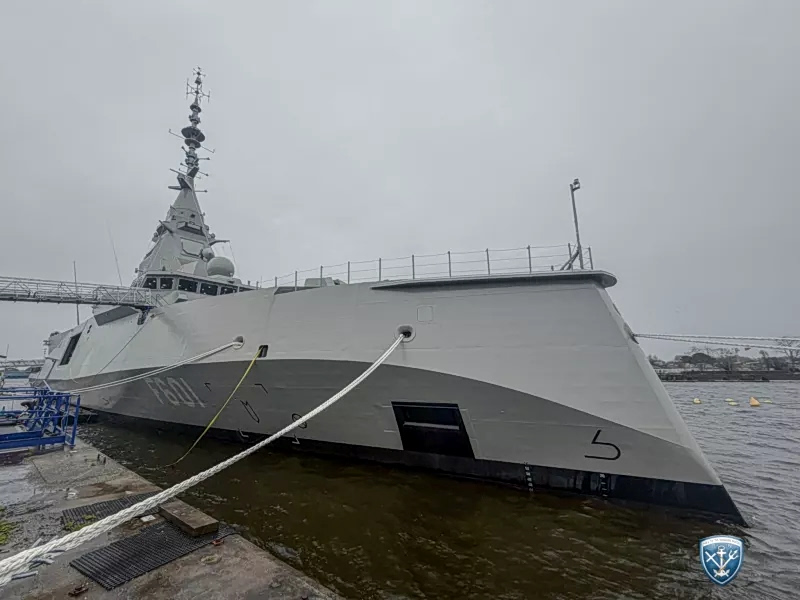
Athens’ decision this week to dispatch the newly acquired Hellenic Navy frigate “Kimon” (Cimon) to Cyprus, following an Iranian drone attack against one of two British sovereign bases on the large east Mediterranean island, isn’t merely a tactical decision amid the ongoing Middle East conflict but an act with strong symbolism for the Greek side.
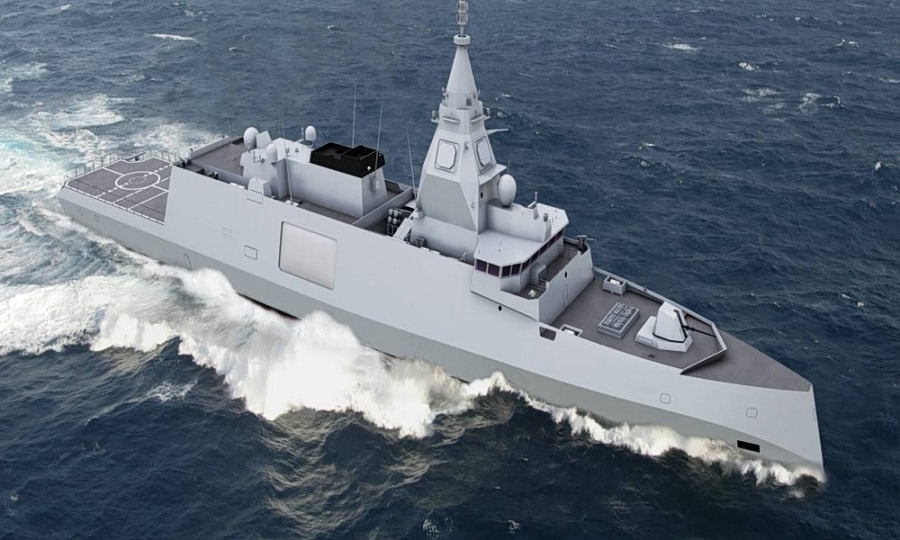
The French-made FDI-type warship arrived at its homeport on the isle of Salamina, off the greater Athens area, in January. It is the first of the Kimon-class frigates, known also as the Belharra type, to be delivered to the Hellenic Navy.
Cimon the Athenian General
Aristocratic Cimon, who was born in roughly 510 BC and died during the siege of Kition, on Cyprus, in 450 BC, was a prominent Athenian general and statesman during the early Classical period. He is credited with expanding Athenian power after the victorious, for the Greek city-states, Persian Wars and in further elevating a rising Athens into a dominant naval force in the eastern Mediterranean.
Cimon, the son of Athenian general Miltiades, the victor of Marathon, led an expedition of at least 200 allied triremes – the pre-eminent battleship of the era – against the forces of the Persian empire in Cyprus in 450 BC. He died on the island, near present-day Larnaca, with Athenian forces going on to overcome the Persians at the Battle of Salamis (Cyprus) on both land and sea, giving rise to the phrase “even in death he was victorious.”
By choosing the name “Kimon” – Latin Cimon – for the new frigate, Greece’s political and armed forces leadership directly opted for historical symbolism to convey the modern Greek state’s presence, persistence and projected naval power in the eastern Mediterranean.
The deployment of the frigate to a still-divided Cyprus during a period of geopolitical tension brings back — even if only at the level of symbolism — the image of the Athenian general of antiquity who sailed to the same large island aiming to shift the balance of power at the time. Modern Cyprus is divided into the two-thirds controlled by the internationally recognized Republic of Cyprus and the 37% illegally occupied since 1974 by Turkey.
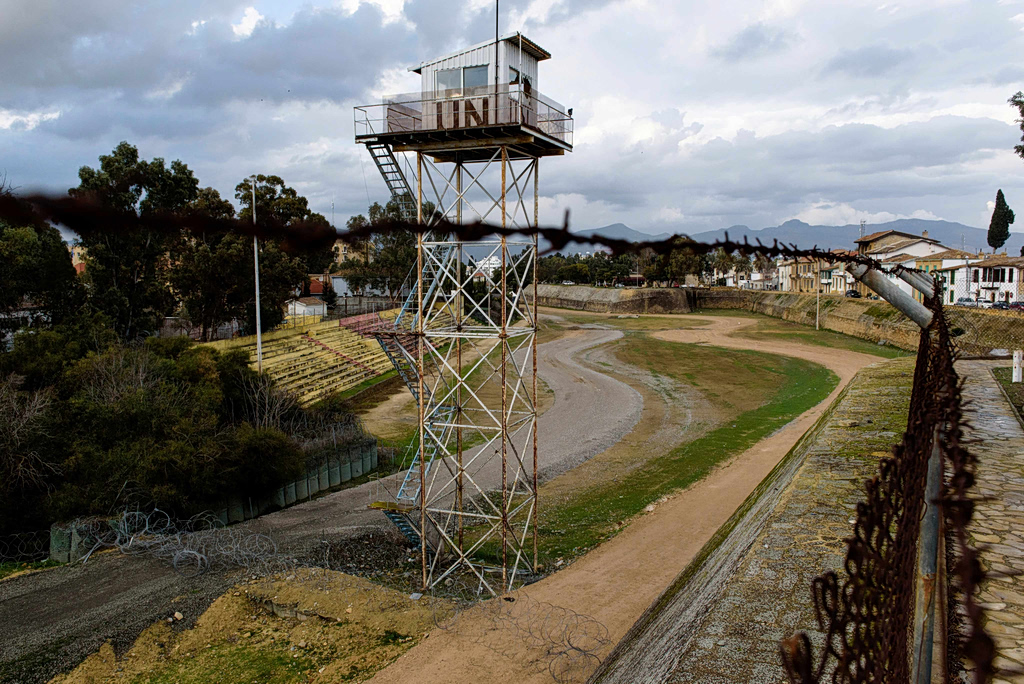
A view of the UN-guarded ‘green line’ on Cyprus separating the free, government-controlled areas in the south from the Turkish-occupied one-third of the island in the north.