
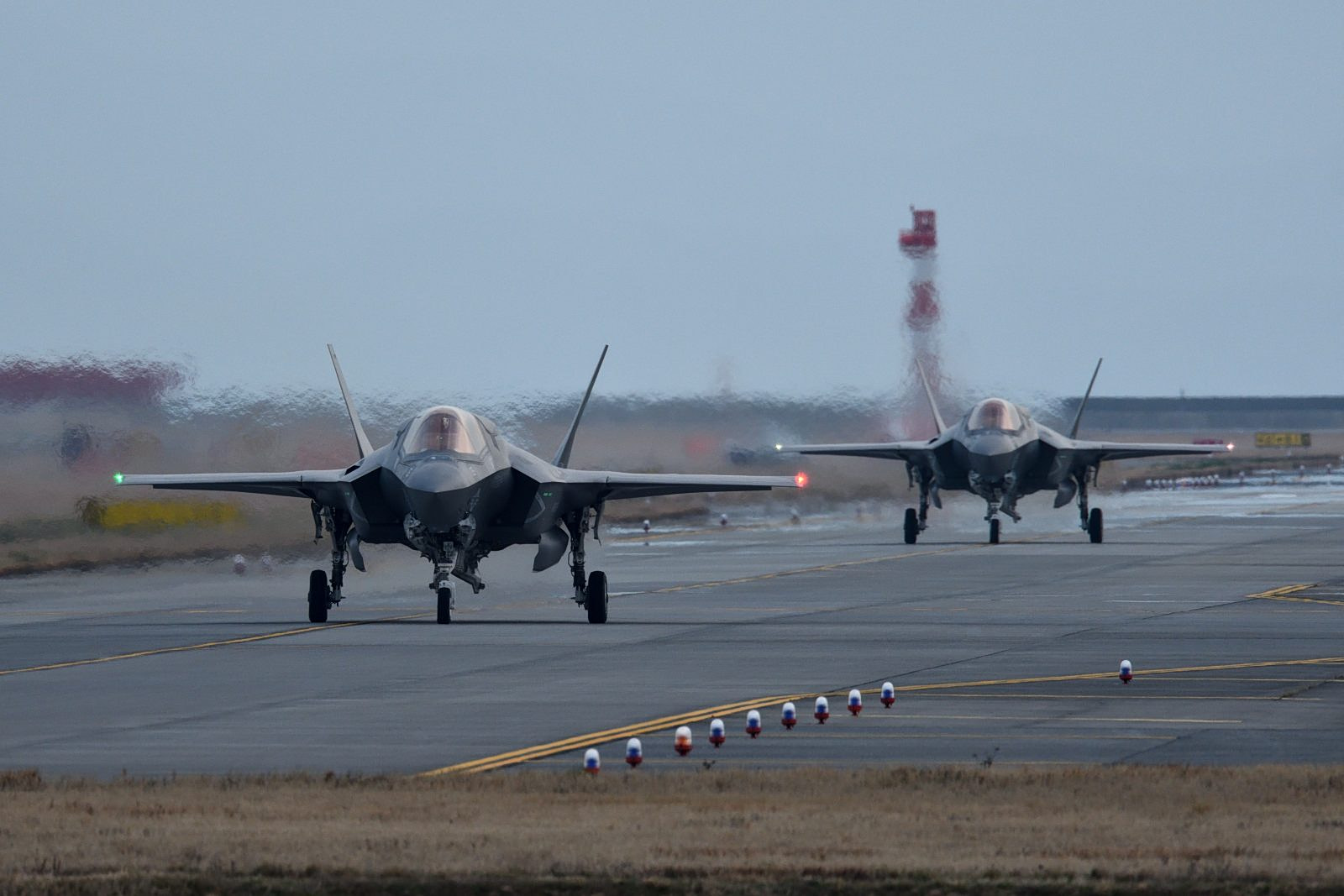
The world’s largest arms manufacturers recorded unprecedented revenue in 2024, according to a new report by the Stockholm International Peace Research Institute (SIPRI). Total global arms sales reached approximately $679 billion (€586 billion), marking the highest level ever recorded.
The report attributes this growth to increased demand fueled by conflicts in Ukraine and the Gaza Strip, rising geopolitical tensions, and expanding military budgets. Many countries have expanded their arsenals, while manufacturers have increased production, opened new facilities, and acquired subsidiaries to meet demand.
U.S. Leads Global Arms Sales
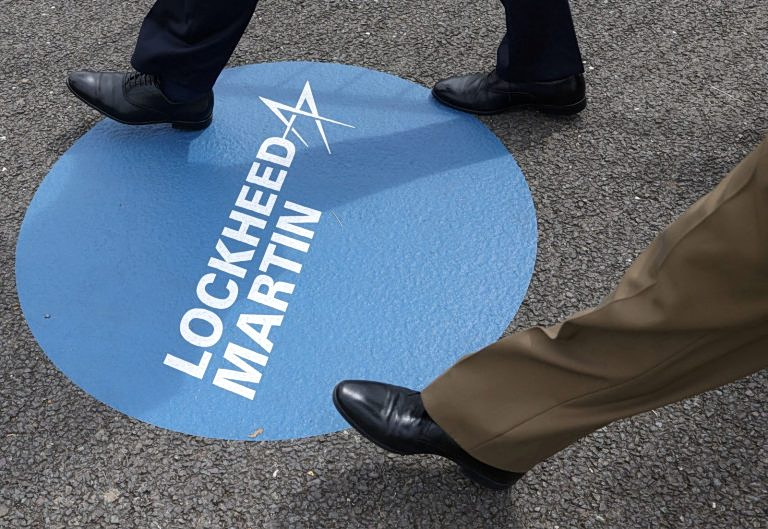
The United States remains the dominant player in the sector, hosting 39 of the top 100 global arms companies. Combined, these U.S. firms generated $334 billion in arms sales—nearly half of the global total. Lockheed Martin alone accounted for $64.7 billion in sales, ranking as the world’s largest arms company.
Strong Growth in Europe
Outside Russia, European arms manufacturers saw total sales rise 13% to $151 billion. German companies were among the top performers, with Rheinmetall, Thyssenkrupp, Hensoldt, and Diehl achieving a combined 36% increase, reaching $14.9 billion. The growth was largely driven by stronger demand for air defense systems, ammunition, and armored vehicles.

Challenges with Raw Materials
Despite record sales, the industry faces challenges that could affect production costs and delivery schedules. SIPRI researcher Jade Guiberteau Ricard highlighted supply chain issues, especially dependence on critical minerals. For example, Airbus and the French company Safran previously sourced half of their titanium from Russia but have had to find alternative suppliers after the war in Ukraine. Export restrictions from China on critical minerals may also increase costs and reshape supply chains.
Russian and Asian Arms Markets
Russian arms companies, including Rostec and the United Shipbuilding Corporation, saw a 23% increase in revenue to $31.2 billion, driven largely by domestic demand despite international sanctions. In contrast, Asia-Pacific arms sales fell 1.2%, mostly due to a 10% revenue decline among the eight largest Chinese manufacturers.
Israeli Arms Industry Thrives

The three largest Israeli arms companies represented in SIPRI’s top 100 also posted significant revenue growth. The report notes that international criticism of Israel’s military actions in Gaza had little impact on global demand for its weapons, as its top manufacturing companies such as Elbit Systems, Rafael and Israel Aerospace Industries were included in the top 31 companies.
SIPRI emphasizes that, in many cases, revenue data is available for these companies, but profit figures are often not disclosed, leaving a partial picture of the financial performance of the global arms industry.