The world economy is entering a turbulent phase marked by mounting geopolitical tensions, surging military budgets, and the reversal of decades of globalization, analysts warn.
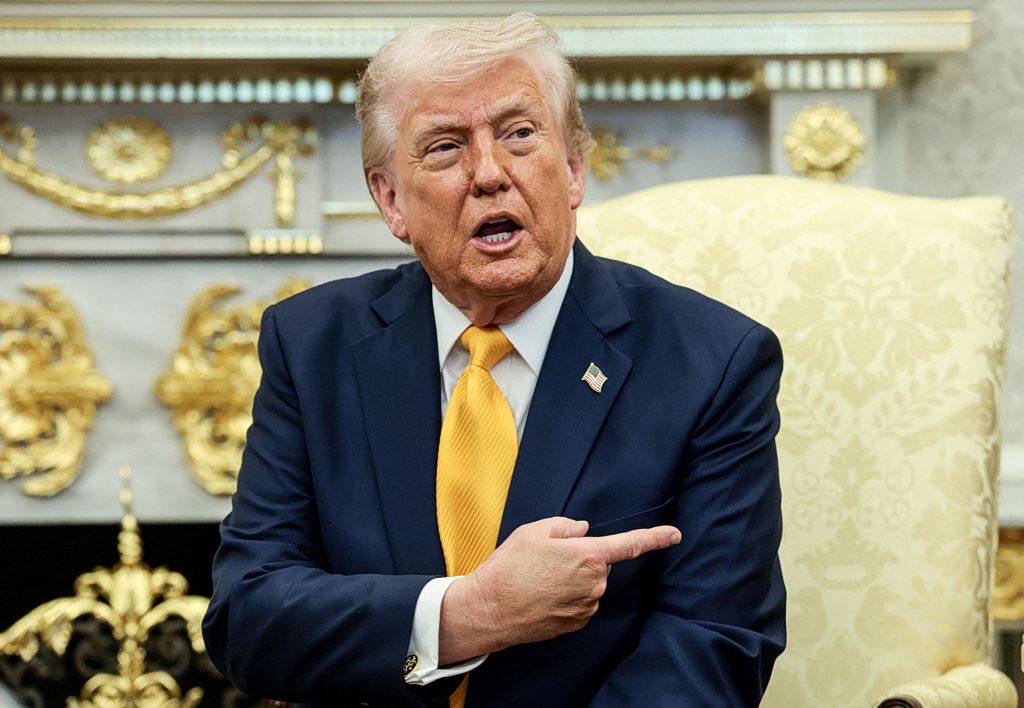
The strategy of “peace through strength,” pursued by the United States under President Donald Trump, has highlighted a new era where economic, security, and foreign policy are increasingly intertwined. According to international investment strategists, this convergence is reshaping markets while putting pressure on national debt.
A multitrillion-dollar arms race
The Russian invasion of Ukraine in 2022 ended nearly eight decades without major war in Europe, triggering a wave of rearmament worldwide. Conflicts in Gaza and fears of Chinese aggression toward Taiwan have added to instability.
As a result, global military spending surged by 9.4% in 2024, reaching $2.72 trillion — the steepest annual increase since 1988. Venture capital funding linked to defense rose 17% last year and more than doubled in early 2025, as governments sought private-sector and high-tech support for new defense supply chains.
This spending shift is moving away from tanks and fighter jets toward artificial intelligence, robotics, autonomous systems, quantum computing, and cybersecurity.
Five forces shaping the future
Analysts at BlackRock point to five structural “megaforces” driving today’s economic transformation:
- Demographics: aging populations in advanced economies versus younger emerging markets.
- Digital transformation and AI: technologies reshaping work and productivity.
- Geopolitical fragmentation: competing economic blocs replacing old globalization patterns.
- Energy transition: trillions shifting toward low-carbon investments.
- Financial evolution: rapid changes in how households and businesses use money and credit.
The end of easy globalization
Supply chain resilience and security have now become more important than low-cost efficiency. China’s share of U.S. imports has dropped from 22% in 2017 to 13.4% in 2024, while Vietnam and Mexico gained ground. Foreign investment flows into China have collapsed by more than 90% over the past four years, with Chinese investment in the U.S. shrinking by 95% since 2016.
Economic resilience under pressure
Despite these shocks, the global economy has shown surprising strength. Citigroup’s chief economist Nathan Sheets estimates that world growth slowed to 2.5% in early 2025, down from 3% in 2024, and may dip just under 2% later this year before rebounding in 2026.
However, rising tariffs are creating stagflationary pressures in the U.S. Revenues from tariffs have jumped from $75 billion in 2024 to $330 billion annually by mid-2025, with effective rates now near 18% — levels not seen since the 1930s. For the U.S., this means higher prices and weaker purchasing power, while for the rest of the world it represents a negative demand shock.
With inflation held in check by low oil prices, central banks are beginning to cut interest rates. Out of 30 major central banks, 21 are expected to lower rates by the end of 2025.
As military spending rises and globalization fractures, the central question remains: how long can the global economy withstand the strain?