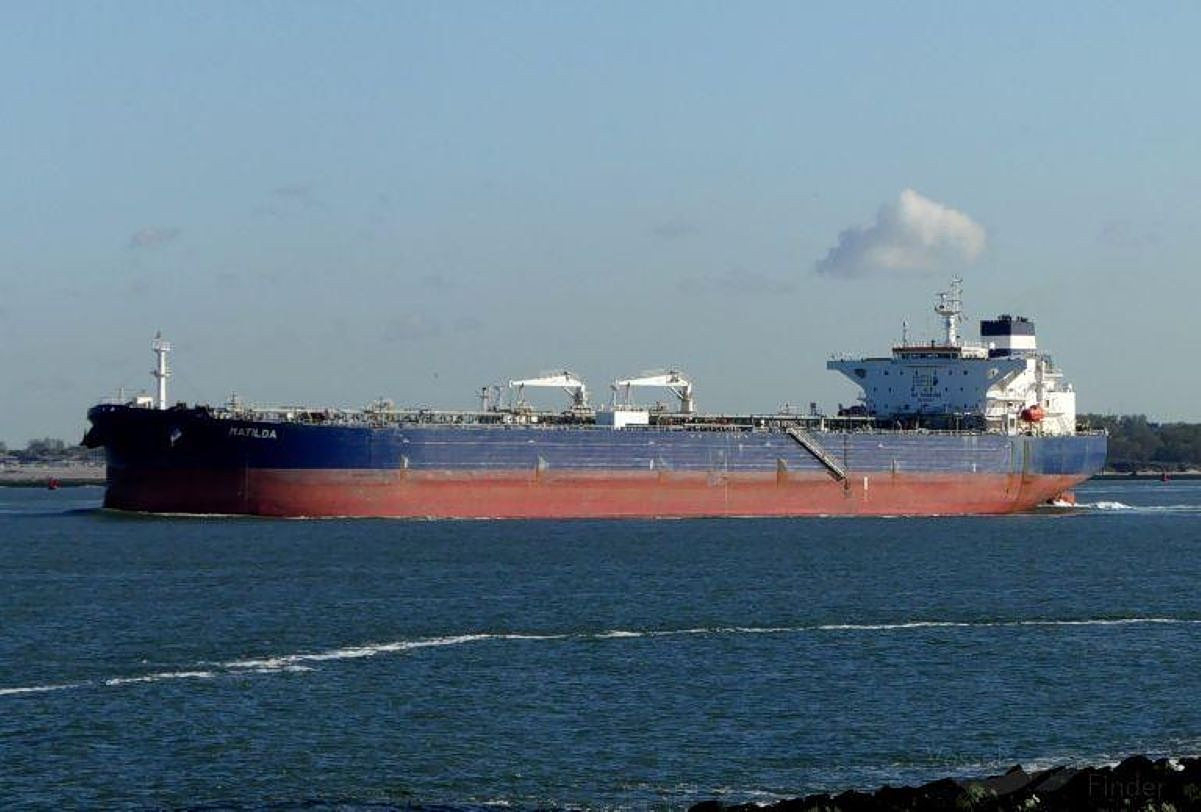
Ten tankers flying the Greek flag, with 85 Greek seafarers on board, remain effectively stranded in the Persian Gulf, as they avoid the high-risk passage through the Strait of Hormuz.
According to sources at the Greek Ministry of Maritime Affairs, authorities are closely monitoring developments in the region. In a post on X, Maritime Affairs Minister Vassilis Kikilias said the Ministry of Maritime Affairs and Insular Policy is maintaining constant oversight of the situation in the Persian Gulf and the Strait of Hormuz.
The Ministry’s Operations Center remains in continuous contact with companies operating Greek-owned vessels in the area, providing guidance and recommendations while keeping the broader shipping community informed of unfolding events, he noted. “We are on heightened operational alert,” Kikilias stressed, “and are doing everything required to ensure the maximum possible protection of Greek shipping and Greek seafarers.”
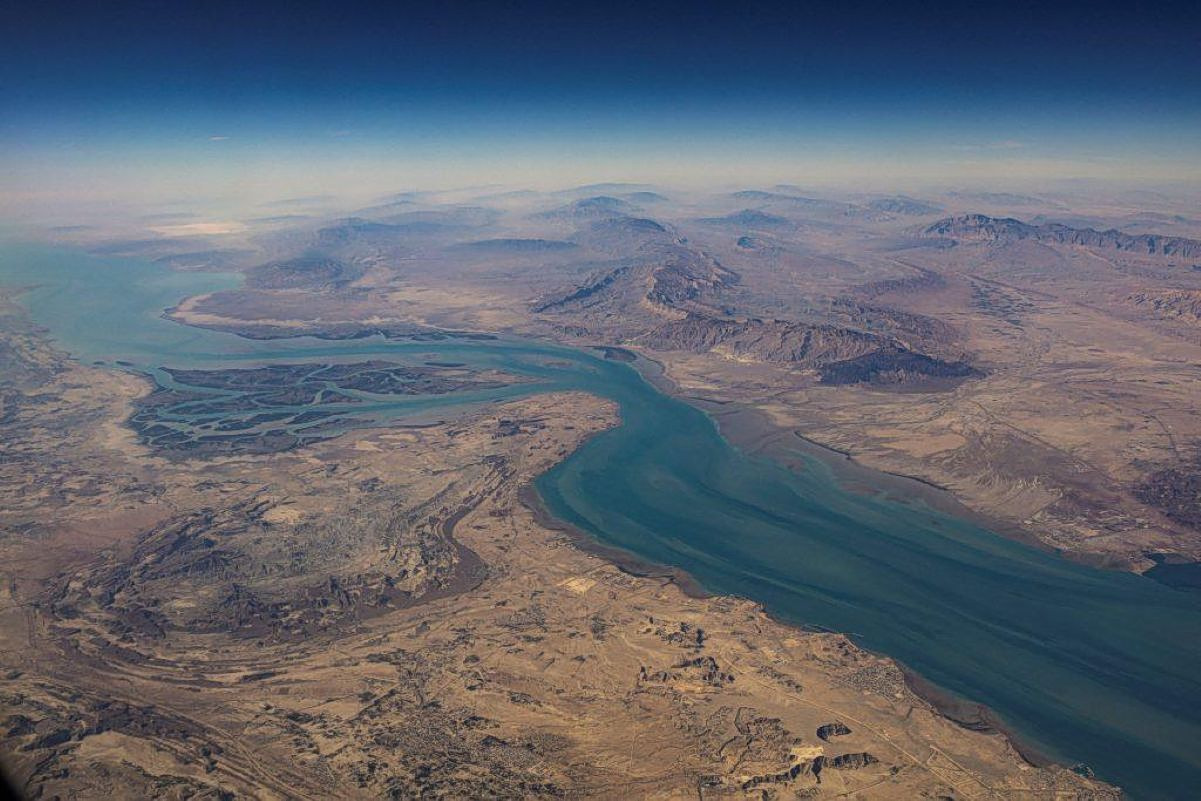
Data from maritime analytics platform Skytek indicated that, as of Saturday afternoon, roughly 100 container ships, 450 tankers and liquefied natural gas carriers, and 200 bulk carriers were positioned within the Strait of Hormuz.
“Live traffic shows a one-way flow toward the exit from the Gulf,” the technology firm reported. “No vessels are entering the Strait.”
Sources at the Greek ministry added that only a limited number of Iranian vessels have transited the Strait of Hormuz in recent hours.
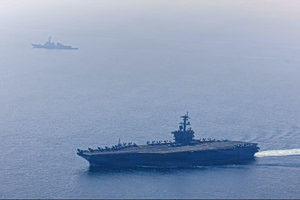
The escalating Middle East conflict highlights the strategic importance of the Strait of Hormuz, a key energy chokepoint. Ongoing U.S.-Israeli strikes on Iran and Tehran’s threats are sending ripples through global shipping and energy markets, forcing companies and insurers to take precautionary measures amid rising uncertainty.