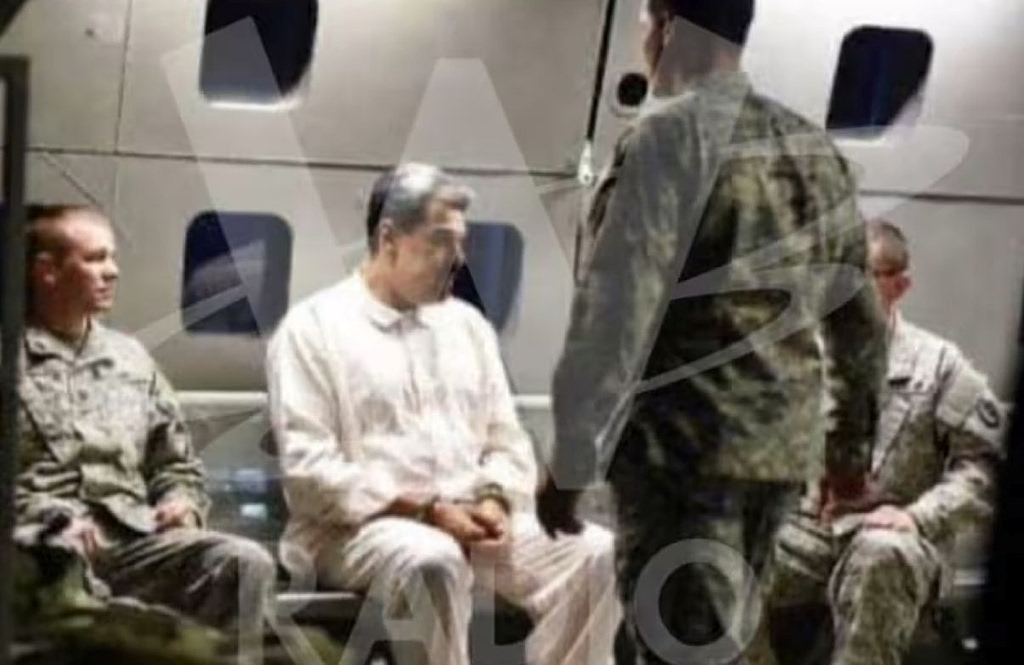

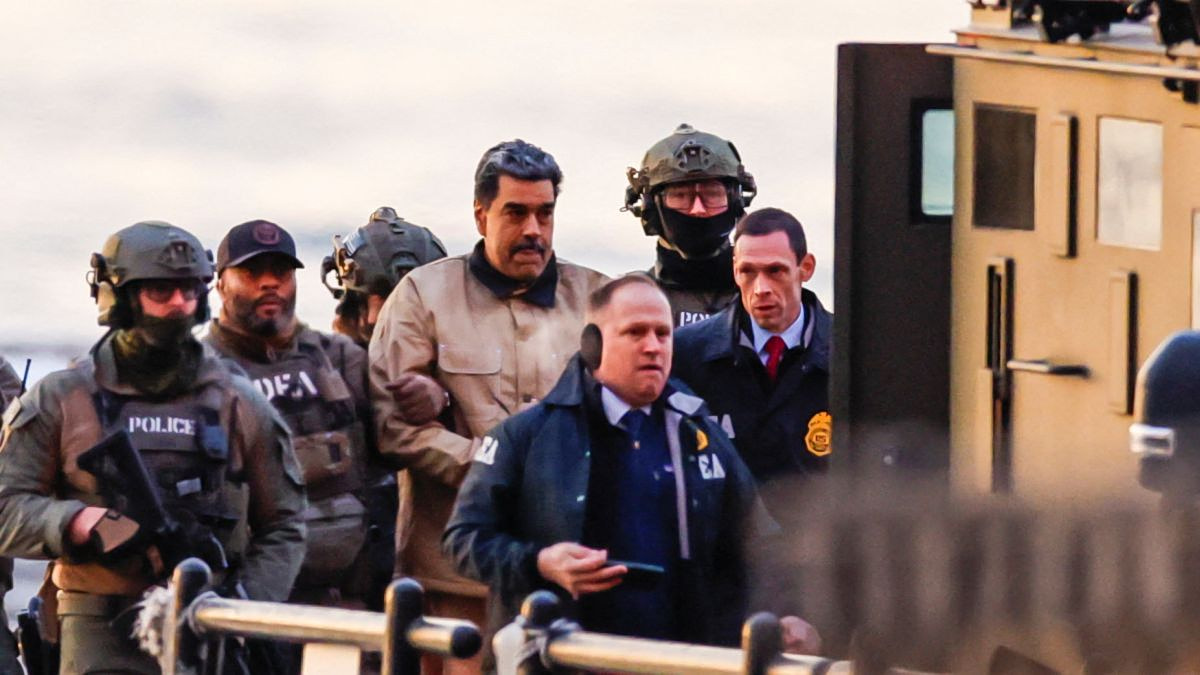
The arrest of Venezuelan President Nicolás Maduro and his transfer under heavy security to a federal court in Manhattan has sent shockwaves through Venezuela, prompting mixed reactions among residents, including members of the country’s Greek community.
Maduro, who appeared in court alongside his wife, Cilia Flores, faces serious charges including conspiracy related to narco-terrorism, cocaine trafficking to the United States, and possession of heavy weapons. He pleaded not guilty, insisting he remains Venezuela’s legitimate president and saying he was arrested at his home in Caracas. His next court hearing has been scheduled for March 17.
In Venezuela’s capital, the arrest triggered protests by Maduro supporters, who took to the streets accusing the United States of foreign intervention. Maduro’s son publicly called for mass mobilizations, further heightening tensions in the city.
Speaking to Greek media, Giorgos, a Greek national living in Caracas, said there is no curfew in place but acknowledged widespread anxiety among the population. He noted that residents had been preparing for months for the possibility of decisive action by the United States.
“This situation has been hanging over us for a long time,” he said. “When the U.S. says something, it usually follows through. We knew this could happen one day, but we didn’t know when. People were preparing, stocking up on supplies. There’s no panic now.”
Despite the absence of immediate restrictions, fear remains palpable. “There is concern,” Giorgos added. “We’re waiting to see how things develop. There’s a lot being said, and we don’t know what to believe.”
For Greeks living in Venezuela, the arrest has added another layer of uncertainty to daily life, as they watch closely for signs of how the political and security situation may unfold in the coming days.