As Britain endures a summer marked by record temperatures, drought warnings and a rare government emergency alert over wildfire risks, one of the most politically sensitive decisions facing Andy Burnham’s government is nearing its conclusion.
The public consultation on the Rosebank oilfield closed this week, following the conclusion of consultation on the Jackdaw gas project days earlier.
Both developments, backed by Shell and Equinor through their joint venture Adura, are seeking fresh consent after a landmark court ruling forced ministers to reconsider their environmental impacts.
While Labour’s 2024 manifesto pledged not to issue new licences for oil and gas exploration in the North Sea, Rosebank and Jackdaw occupy a grey area.
They already hold licences but still require development approval.
Government sources suggest Energy Secretary Miatta Fahnbulleh is expected to make a decision next month, with ministers reportedly weighing not only the economic and energy implications but also the political optics of approving major fossil fuel projects during a summer dominated by climate-related crises.
The outcome could become an early defining test of Burnham’s promise to combine economic pragmatism with climate ambition.
‘A clear political message’
For some observers, approving the projects would signal a deliberate shift in Labour’s approach to the North Sea industry.
Ed Atkins, Associate Professor in Political Geography at the University of Bristol, argues that Burnham may view the projects as an opportunity to reinforce his credentials as a growth-focused leader.
“In becoming Prime Minister, Andy Burnham has presented himself as a ‘circuit-breaker’ on economic stagnation and living standards,” Atkins told TO VIMA. “North Sea oil and gas has always been seen as a relatively easy lever to pull for economic growth.”
He added: “This decision can send a clear political message that Burnham is not beholden to climate targets, at the exact moment that the political right is trying to make net zero electorally toxic.”
Yet Atkins cautioned that Britain’s political landscape has changed fundamentally since the era when fossil fuel expansion carried fewer political risks.
“Burnham isn’t operating in the political conditions of the 1970s and 1980s,” he said. “The UK is now living through record heat and droughts. People are becoming more aware and concerned about climate impacts but are also facing a winter of rising energy prices.”
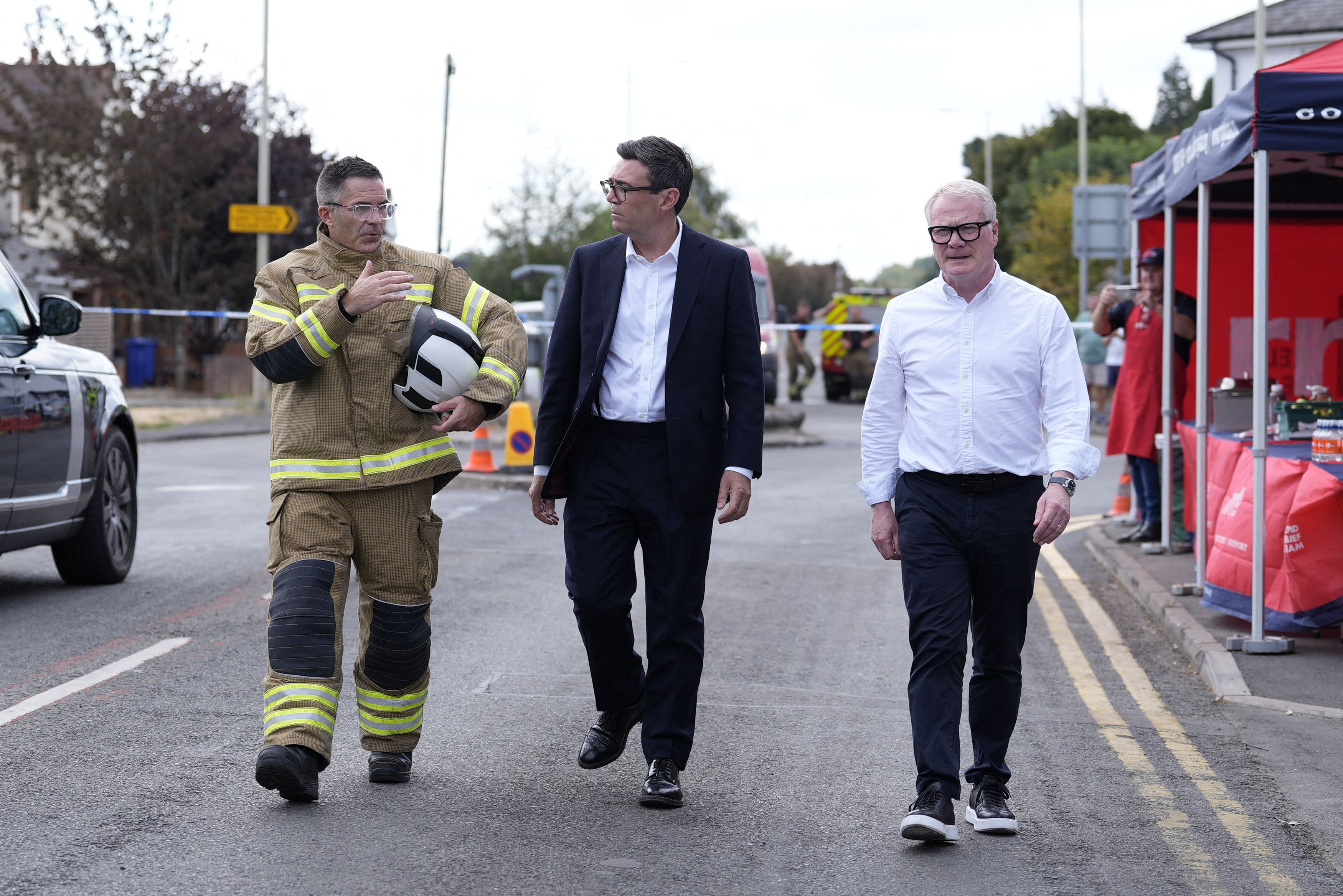
Prime Minister Andy Burnham and West Midlands Mayor Richard Parker speak with West Midlands Fire Service Chief Fire Officer Simon Tuhill, during a visit to Stourbridge in the West Midlands to discuss the response to wildfires across the region. Picture date: Friday August 14, 2026. Peter Byrne/Pool via REUTERS
Energy security versus climate leadership
Supporters of Rosebank and Jackdaw argue that domestic production is preferable to imports, helping to support jobs, generate tax revenues and reduce reliance on overseas suppliers.
Oil and gas continue to account for roughly three-quarters of Britain’s primary energy demand.
But critics dispute claims that the projects would significantly strengthen Britain’s energy security.
Professor Chris Hilson, Director of the Reading Centre for Climate and Justice at the University of Reading, believes the case for approval is weak.
“The energy security arguments in favour of approval are overstated,” he said. “The oil and gas from these fields is not ringfenced for the UK. It is sold on international markets.”
Hilson acknowledged that Jackdaw could provide a limited boost to domestic gas supplies during periods of shortage but described the overall contribution as modest.
“Representing at best somewhere between 2-6 per cent of the UK’s overall oil and gas usage, it would only be small,” he said. “Energy security would be much better served by moving away from volatile fossil fuels towards a cleaner source of home-grown energy – renewables.”
For Hilson, the strongest objection is not Britain’s net-zero accounting framework but the wider international message.
“It’s hard to show climate leadership and expect other countries to reduce their emissions while at the same time opening up new supply yourself,” he told to TO VIMA.
That view is echoed by Professor Richard Allan of the University of Reading, who offered a stark assessment of the projects’ compatibility with Britain’s climate obligations.
“Exploiting new fossil fuel reserves is incompatible with the UK’s commitments under the Paris Agreement to limit human caused warming of climate,” Allan said speaking to TO VIMA. “Short term gain is outweighed by long term pain for the climate, societies and the ecosystems upon what we all depend.”
The politics behind the decision
The prime minister’s dilemma extends beyond energy policy.
Labour strategists are acutely aware of warnings that support for new drilling could damage the party among environmentally minded voters.
Internal analysis cited by campaigners suggests Labour could face significant electoral pressure from the Green Party in a number of marginal constituencies if it is perceived to be weakening its climate commitments.
Hilson believes the politics are pulling Burnham in several directions simultaneously.
“The political optics point three ways,” he said. “Internationally, allowing a go-ahead would look bad from a climate leadership perspective. But domestically, it silences the opposition noise from Reform and the Conservatives who have been pushing for energy nationalism and keeping the North Sea open.”
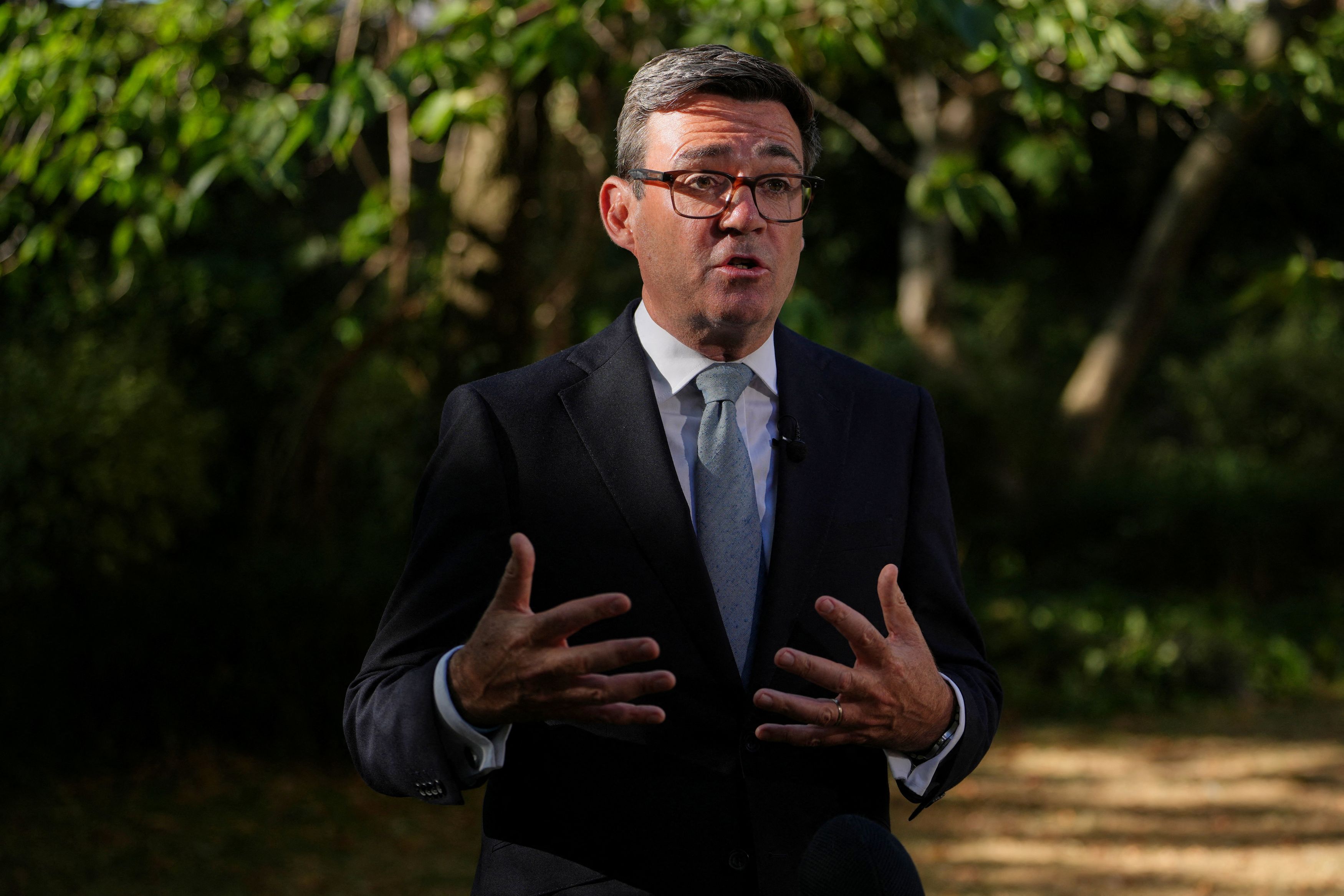
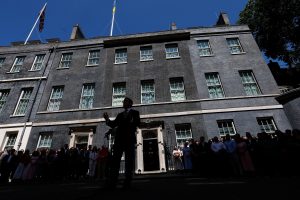
Britain’s Prime Minister Andy Burnham speaks to the media after chairing a COBR meeting at Downing Street on the UK’s ongoing response to extreme heat, wildfires and drought, in London, Britain, Wednesday, Aug. 12, 2026. Kin Cheung/Pool via REUTERS
However, he warned that any approval “will not be popular within his own Party”.
Hilson suggested that trade union concerns over employment could prove decisive.
“Burnham is more under the influence of the trade unions than Starmer and it feels like his North Sea decision may well be influenced by union pressure on jobs in Scotland,” he said.
His conclusion was blunt: “If he gives the go-ahead while also supporting net zero, he is effectively trying to ride two horses.”
A pragmatic Labour – or a temporary compromise?
Speaking to TO VIMA, Mitya Pearson, Associate Professor in the Politics of Climate Change at the University of Warwick, argues that the controversy reflects the unusual status of the projects themselves.
“Rosebank and Jackdaw had been approved by the previous Conservative government, but were then subject to a legal challenge which has pushed the final decision into the hands of the Labour government,” he said.
That ambiguity, Pearson argues, allows ministers some room to maneuver while claiming they remain faithful to Labour’s manifesto commitment not to issue new exploration licenses.
“At the moment, it looks like they are not planning to abandon the overall policy commitment to not granting additional exploration licenses,” he said.
Pearson also questioned whether the debate carries as much electoral weight as its prominence in Westminster suggests.
“There is little evidence that oil and gas exploration is a high salience issue for the public outside of some seats in Scotland,” he said.
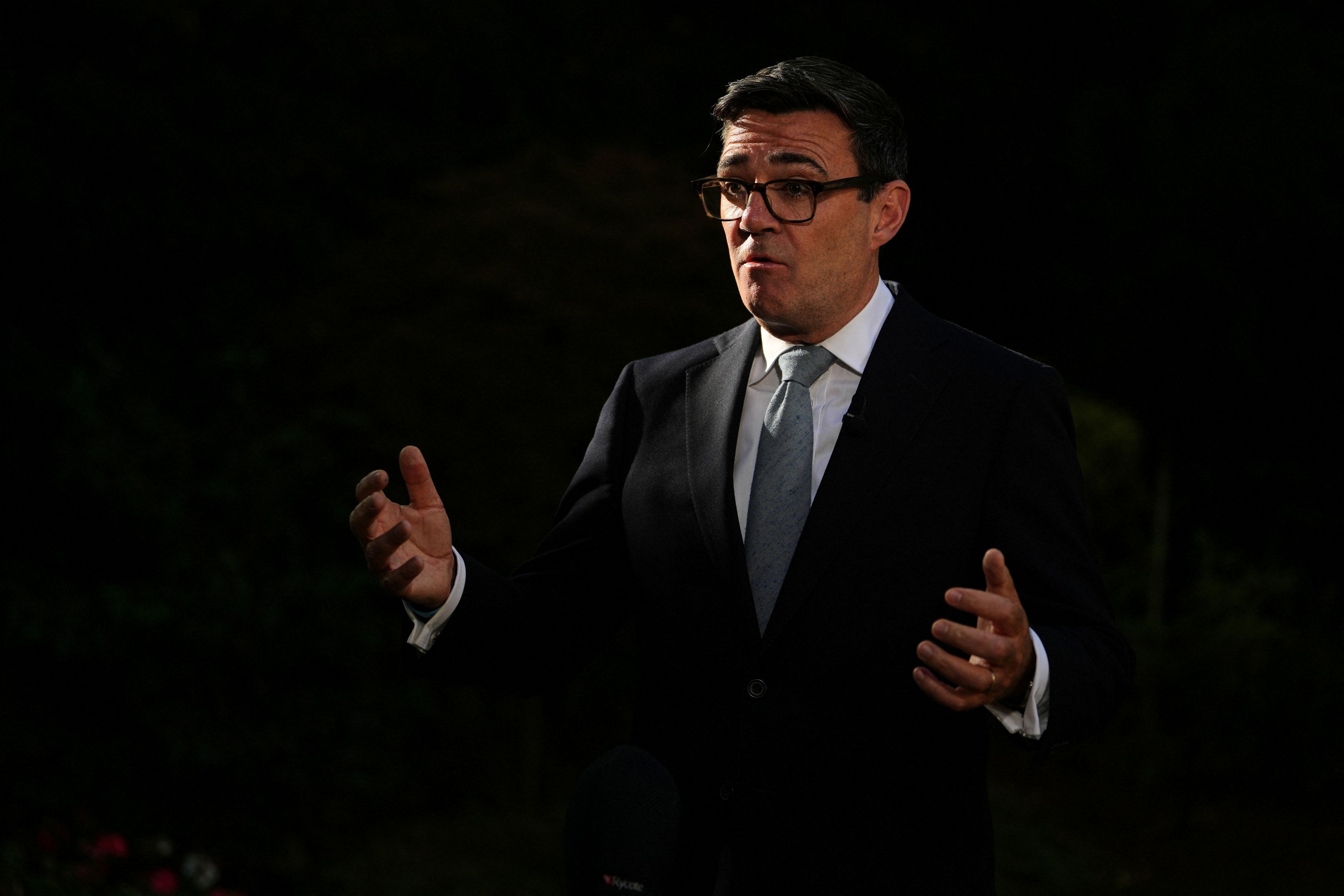
Britain’s Prime Minister Andy Burnham speaks to the media after chairing a COBR meeting at Downing Street on the UK’s ongoing response to extreme heat, wildfires and drought, in London, Britain, Wednesday, Aug. 12, 2026. Kin Cheung/Pool via REUTERS
Yet he noted the awkward timing of any approval.
“Any potential political benefit from pivoting to ‘pragmatism’ on this issue jars a bit with it coinciding with the heatwaves and wildfires in the UK and Europe this summer.”
Decision day approaches
The government insists the North Sea remains “a vital national asset” that supports jobs, growth and energy security, while maintaining that oil and gas will continue to play an important role alongside the transition to clean power.
Ministers will now assess consultation responses before reaching a final verdict.
Whether Burnham chooses to approve both projects, back only Jackdaw or reject them altogether, the decision will be interpreted as more than a ruling on two energy developments.
It will be seen as a statement of how Britain’s new Prime Minister intends to balance economic growth, energy security and climate responsibility at a moment when each is becoming harder to separate from the others.