
 Μake us preferred on Google
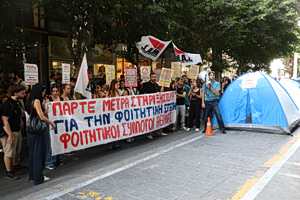
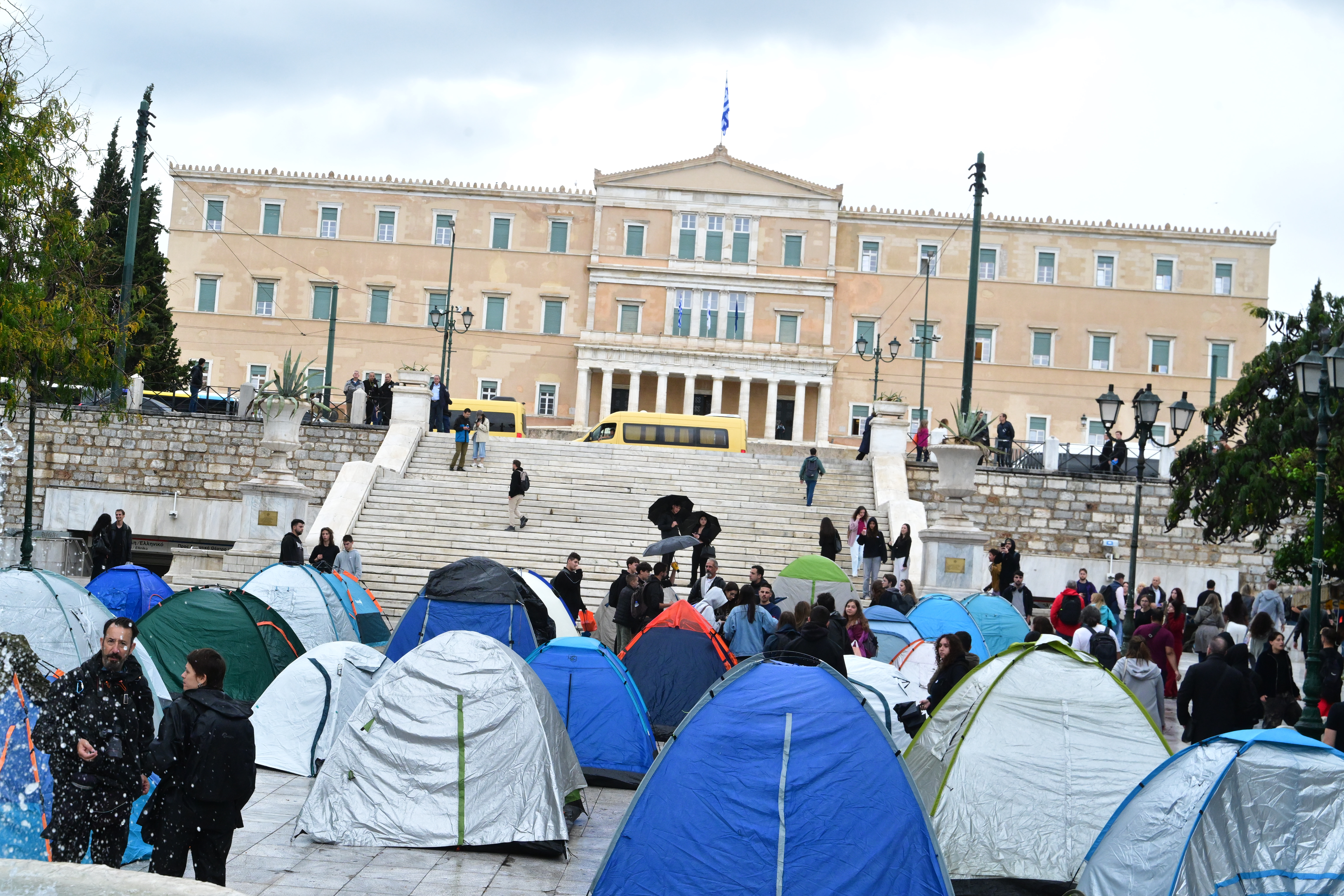
 Dozens of tents dotted Athens’ Syntagma Square on Tuesday afternoon as university students gathered on Syntagma Square despite heavy rain, preparing for an overnight protest against rising living costs and the shortage of affordable student housing. Umbrellas crowded the square, where blue, green and silver tents had been pitched on the rain-soaked pavement, as students pressed ahead with plans for a demonstration expected to continue into Wednesday morning.
Organized by student associations from universities across the Greek capital, the protest includes a rally outside the Finance Ministry at 6 p.m., followed by concerts and an overnight gathering in Syntagma Square. The students are demanding government action on soaring rents, energy bills and everyday expenses, which they say are making it increasingly difficult for young Greeks to afford a university education. The demonstration also draws inspiration from student protests in France and other European countries, where young people have mobilized over education funding and the cost of living.
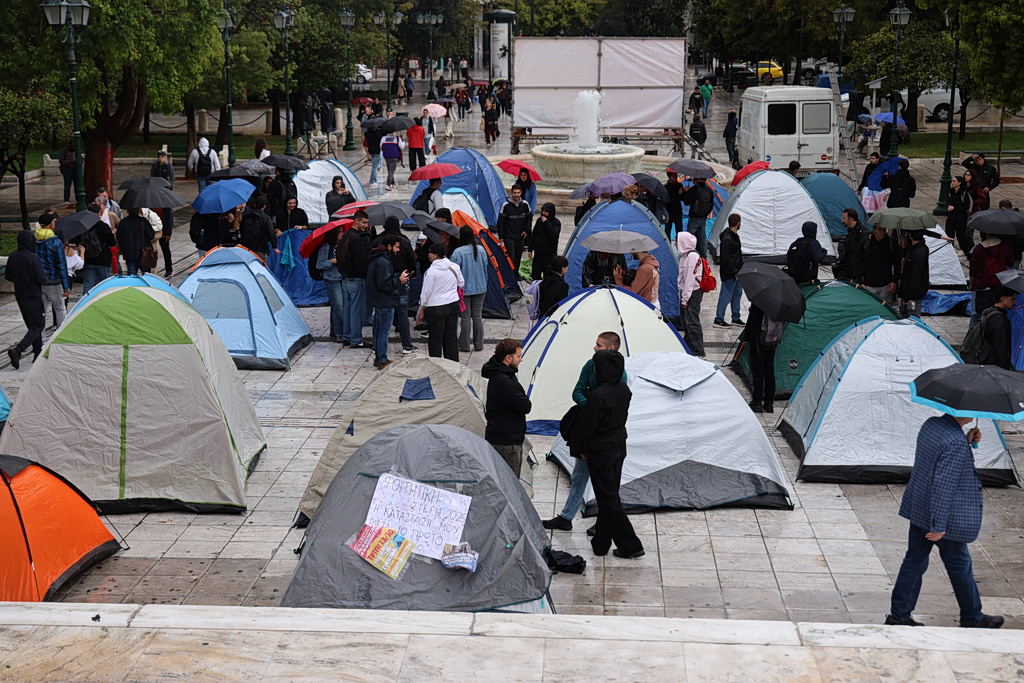
Athens university students stage a protest over rising education and housing costs, with a rally outside the Finance Ministry and an overnight encampment in Syntagma Square, Tuesday, October 13, 2026. (YANNIS PANAGOPOULOS/EUROKINISSI)
What Are the Students Demanding?
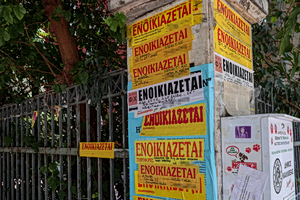
Housing is at the center of the students’ demands. They are calling for caps on rents, higher housing allowances and broader eligibility for financial assistance, including the removal of academic performance requirements and an increase in income thresholds.
They also want the government and university authorities to guarantee free accommodation for first-year students who cannot afford housing, whether in student residences, hotels or other suitable facilities. The associations are pressing for the renovation and expansion of university dormitories and the use of publicly owned property to provide additional free student housing.
Other demands include emergency funding for universities to cover operating and heating costs, price caps on electricity and fuel, and the abolition of value-added tax on essential goods and excise taxes on energy.
Students are also seeking free meals, public transportation and internet access, lower prices at university cafeterias and more flexible rules allowing students facing financial hardship to transfer between universities.
Beyond the immediate cost of living, the associations have criticized government education policies, including the establishment of private universities, which they argue will further undermine public higher education.
They are also calling for increased funding to address shortages of teaching staff and inadequate university facilities.
The organizers have questioned the government’s spending priorities, arguing that additional resources should be directed toward education and social services rather than military expenditure. They have also criticized tax breaks for major businesses and the profits reported by energy companies, banks and large retailers.
Student Protests Across Europe
The Athens demonstration comes as student mobilizations over education funding and living costs spread across several European countries.
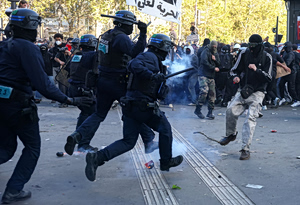
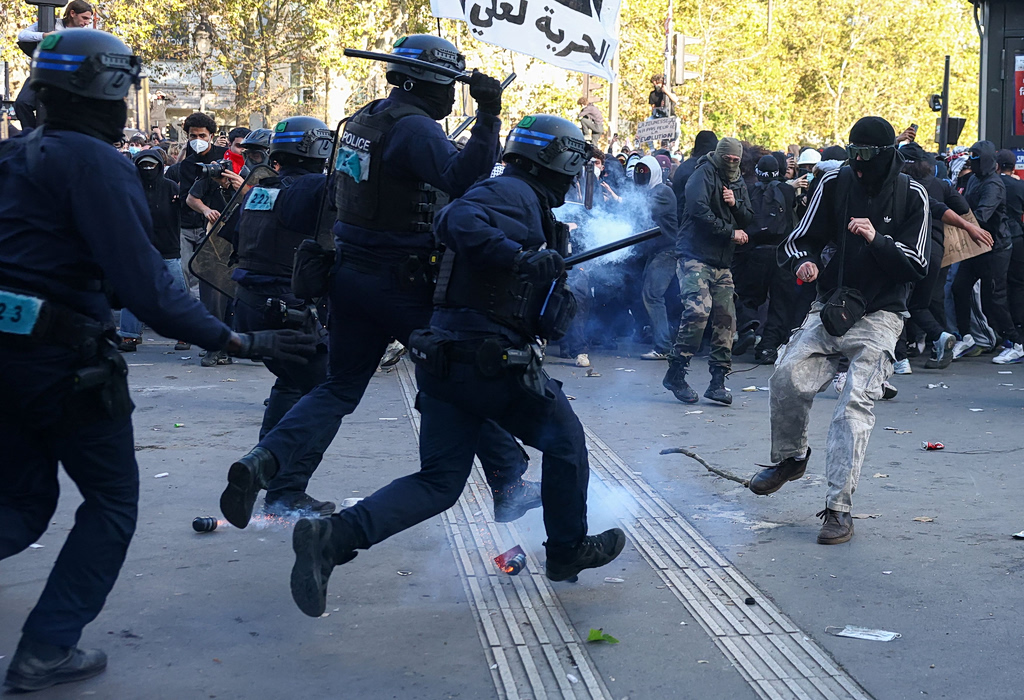
In France, students and school pupils have joined teachers and labor unions in demonstrations over education spending, staffing shortages and proposed reforms. The protests have included marches, blockades and occupations of educational institutions.
Similar demonstrations have taken place in Belgium, where students have protested tuition increases in the French-speaking community and cuts to education budgets.
In Italy, students in cities including Rome and Turin have organized university occupations, drawing inspiration from the French protests.
The Athens student associations explicitly cited demonstrations in France and Spain as an inspiration for their own action. “Across Europe, young people are organizing and demanding change,” the associations said in their announcement. “Now it’s our turn.”
Source: in.gr