 Μake us preferred on Google
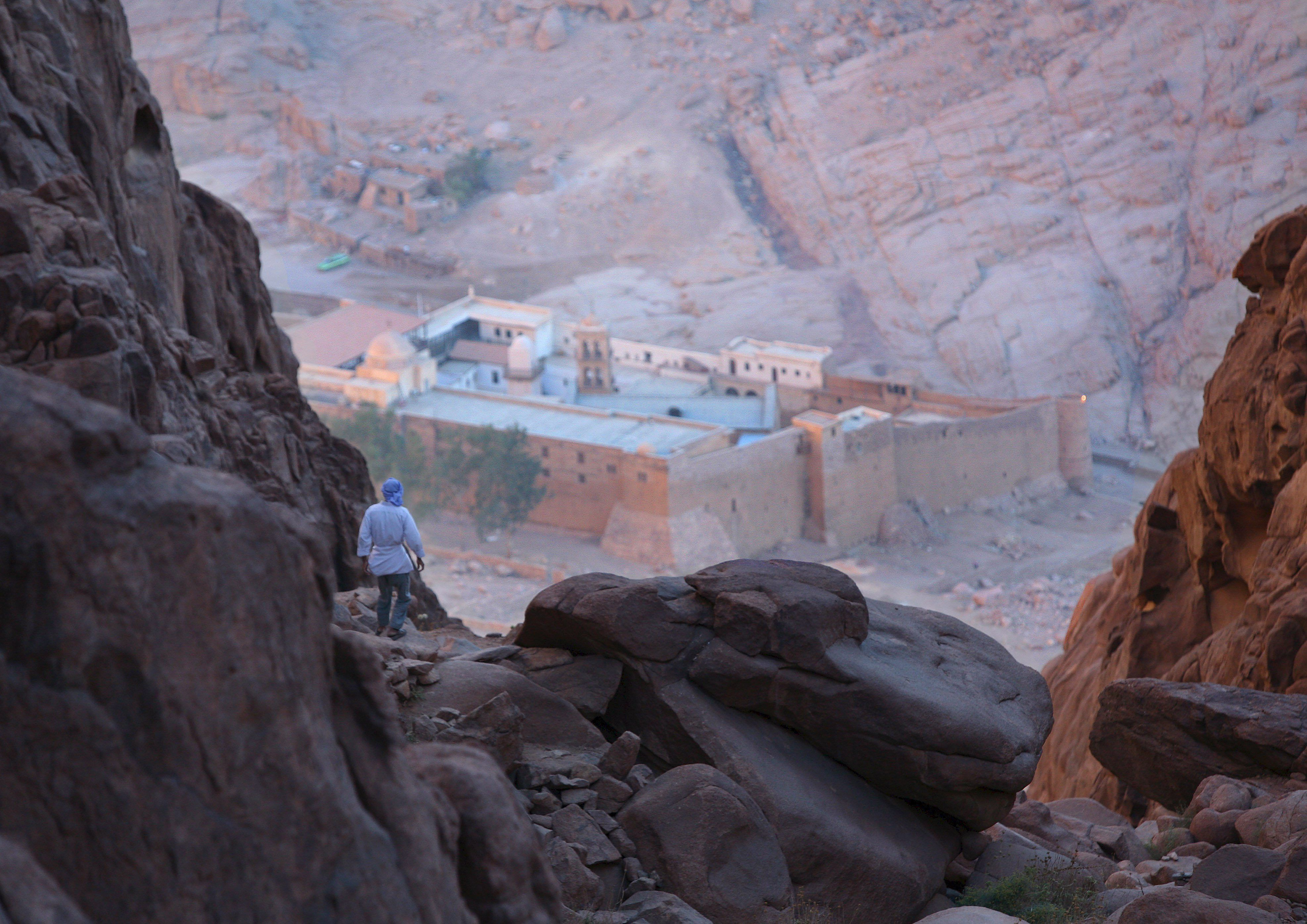
 Negotiations over the future of St. Catherine’s Monastery on Mount Sinai have entered a “final stretch” phase, by all accounts, with Athens racing to secure a settlement with Cairo before an Egyptian high court ruling is set to be published on Oct. 24, as reported divisions within the monastic brotherhood threaten to derail the agreement.
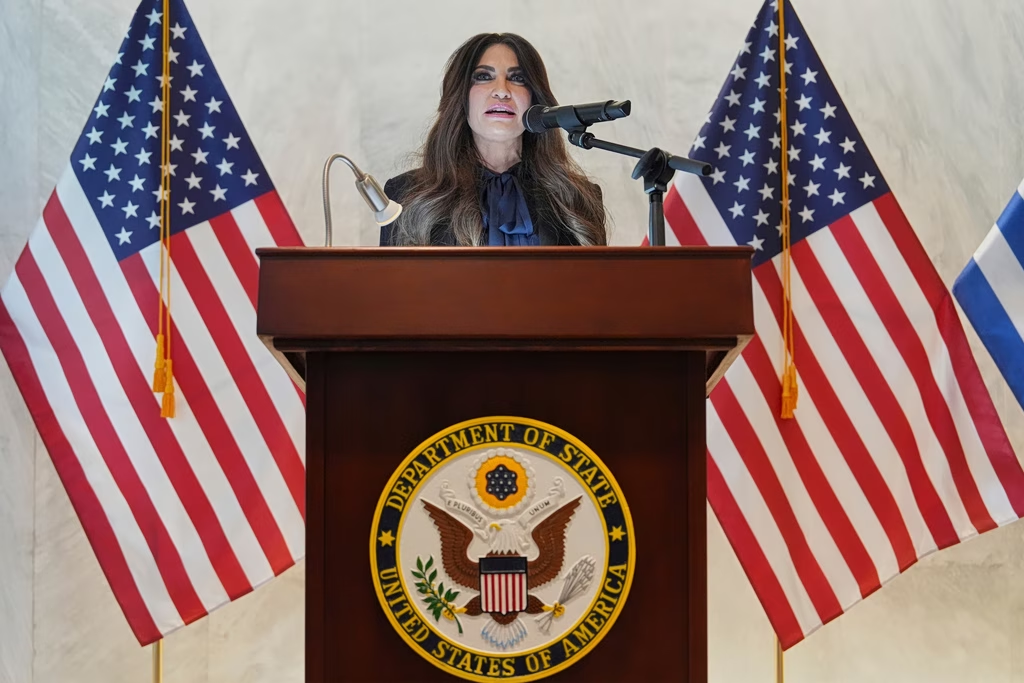
Greek Foreign Minister George Gerapetritis has held telephone talks with Egyptian Foreign Minister Badr Abdelatty and Jerusalem Patriarch Theophilos III over the past period as diplomatic efforts intensified. The Patriarchate has ecclesiastical and canonical oversight vis-a-vis the monastery and has been involved in efforts to resolve the dispute.
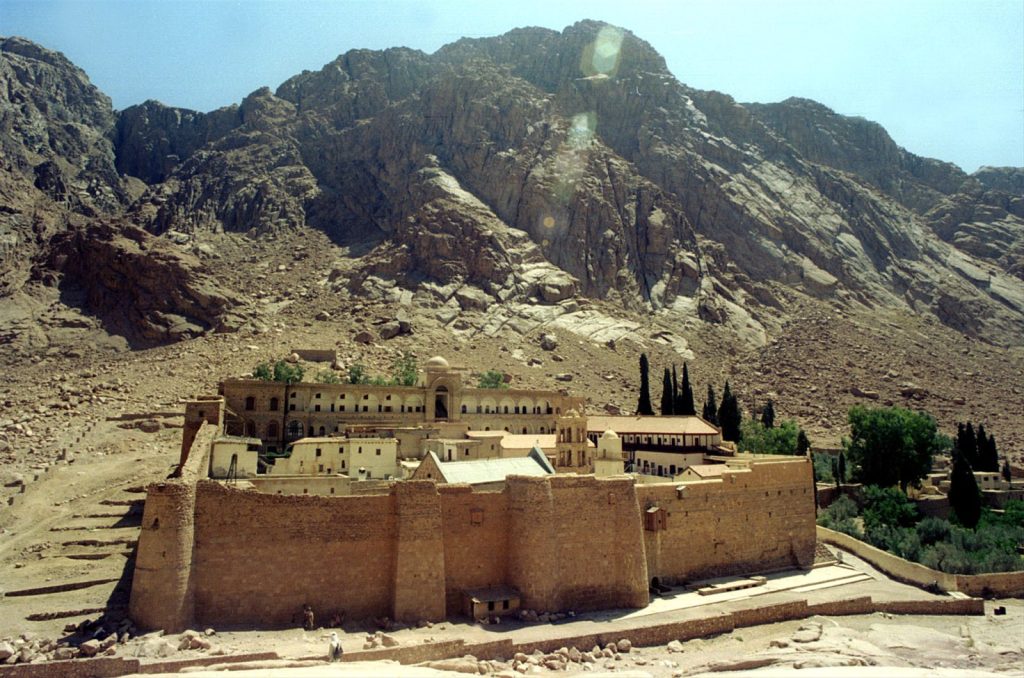
The immediate obstacle is no longer confined to negotiations between Athens and Cairo. The proposed agreement has been submitted to the Sinai brotherhood, which must decide whether to accept the terms governing the monastery’s legal status, religious operation and property rights.
A Greek diplomatic source, quoted by local media on Tuesday, stressed that the decision rests with the monastic community.
“The matter is for the monastery to decide. The Greek state cannot impose anything, nor is that our intention,” the source said.
The remarks underline the limits of Athens’ role, as the Greek government can negotiate with Cairo and seek legal guarantees, but it cannot sign off on an agreement on behalf of the monks.

A theologian and ecclesiastical analyst contacted by To Vima International provided an even more detailed picture of an apparently fractured state of the monastic brotherhood at the renowned monastery, saying that a decision over a compromise or agreement with the Egyptian state firstly requires the “approval or acquiescence” of brotherhood.
“This approval is either by a two-thirds majority of the monks or even through unanimity. From what I’ve learned there isn’t even a quorum with which to hold a ‘general assembly of the elders’, as it’s called in the monastery’s charter. Also, one faction of the brotherhood disputes the catalogue of the active monks, claiming that some who previously voted for the current hegumen (abbot) Symeon were not properly registered as such,” the source said.
He also said it was not clear whether the Archbishop of Sinai, His Eminence Symeon, was back at the monastery or still in Greece, where he has been receiving medical treatment for some time after his election and ordination as abbot and archbishop of the autonomous archbishopric.
Oct. 22 emerges as practical deadline
The countdown has intensified as Egypt’s Court of Cassation prepares to issue its ruling on appeals against a May 2025 decision by the Ismailia Court of Appeal. The Oct. 24 deadline follows four postponements, with Greek officials reportedly seeing little prospect of another extension.
Because Friday is a public holiday in Egypt, the brotherhood’s response is expected by Thursday, Oct. 22, if a settlement is to be reached in time.
“The hopes do not disappear even at the last moment,” an ecclesiastical source told Ta Nea, acknowledging that contacts were continuing with particular care.
The latest diplomatic activity follows mounting concern over the implications of a prosecutors’ recommendation that rejects the monastery’s principal legal arguments. The recommendation is not a final judgment, but if adopted by the court, it could further weaken the monastery’s position over disputed properties. Greek media have reported that the state’s appeal could also put additional properties at risk.
The dispute dates to 2015, when the Egyptian government launched legal proceedings over dozens of land parcels. A South Sinai court ruled against the monastery in 2022, ordering the return of disputed land to the state and the removal of occupants from certain areas. The Ismailia appeal ruling in May 2025 triggered a diplomatic crisis over the monastery’s future.
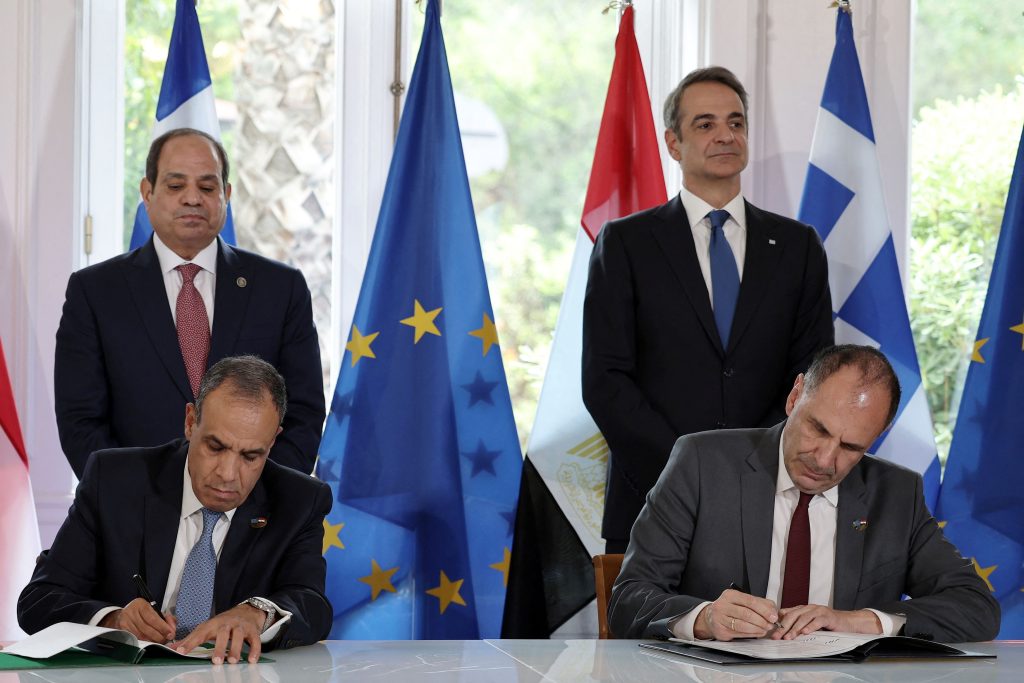
Egypt’s President Abdel Fattah al-Sisi and Greek Prime Minister Kyriakos Mitsotakis look on as Egypt’s Foreign Minister Badr Abdelatty and Greek Foreign Minister George Gerapetritis sign cooperation agreements at the Maximos Mansion, in Athens, Greece, May 7, 2025. REUTERS/Louiza Vradi
Religious status and property rights at stake
The negotiations seek to protect the monastery’s historic Greek Orthodox character, preserve uninterrupted religious life and establish a durable legal framework for its facilities and surrounding properties. One compromise under discussion would recognize Egyptian state ownership while granting the monastery permanent religious possession and use.
The stakes extend beyond the property dispute. Athens is seeking to avoid a wider diplomatic tiff with Cairo, whom it considers as a strategic partner in the eastern Mediterranean, while ensuring that any settlement provides clear and enforceable guarantees.
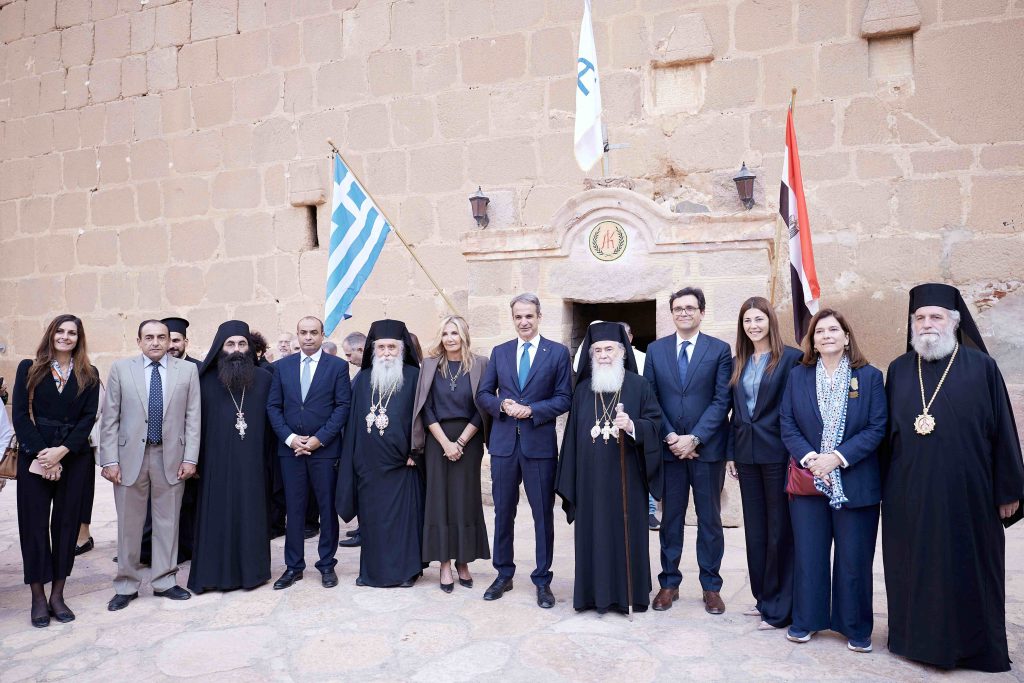
The monastery’s leadership has also been affected by the illness of Archbishop Symeon, which has delayed discussions and complicated efforts to secure a unified position among the monks.
In an Oct. 9 report, To Vima quoted Greek government sources as describing the period from Oct. 14 to 22 as “hell week,” adding: “After Oct. 22, there is no room for an agreement.”
With the deadline approaching, the brotherhood’s response is now pivotal. Failure to reach a settlement could leave the monastery facing a court decision that would sharply narrow the scope for further negotiations.
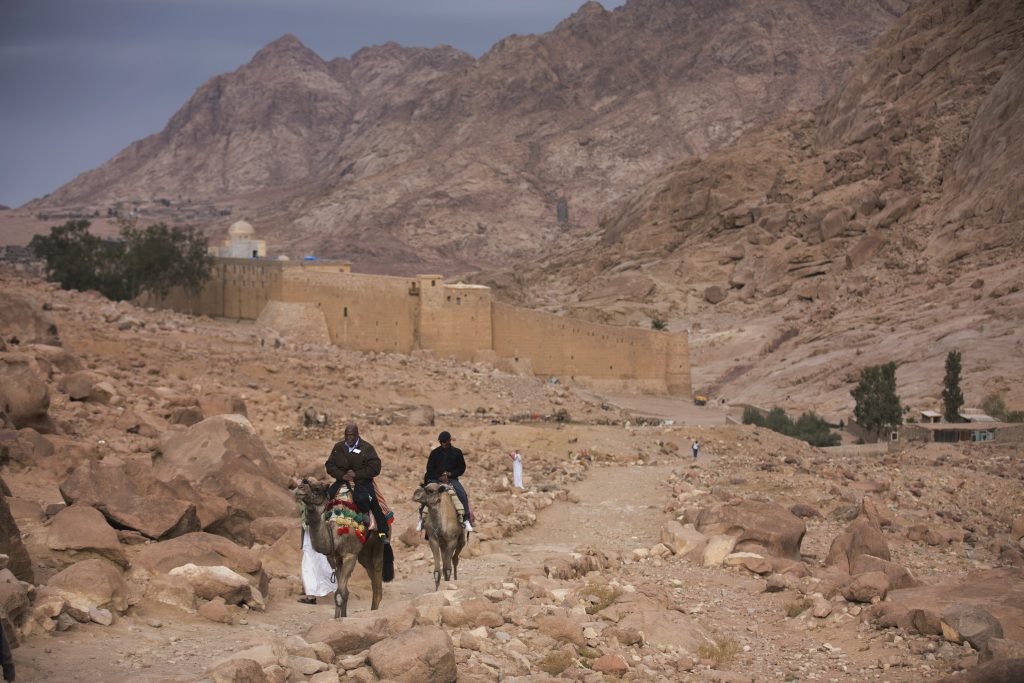
St. Catherine’s of the Sinai is considered as the oldest Christian monastery in operation, dating from the 6th century AD.