Human Rights Watch (HRW) has accused the Israeli military of illegally using white phosphorus munitions over homes in the southern Lebanese town of Yohmor on March 3, warning of the severe risks to civilians.
Ramzi Kaiss, HRW’s Lebanon researcher, highlighted the dangers, saying, “The incendiary effects of white phosphorus can cause death or cruel injuries that result in lifelong suffering.” The rights group verified eight images and civil defense reports showing white phosphorus used in residential areas.
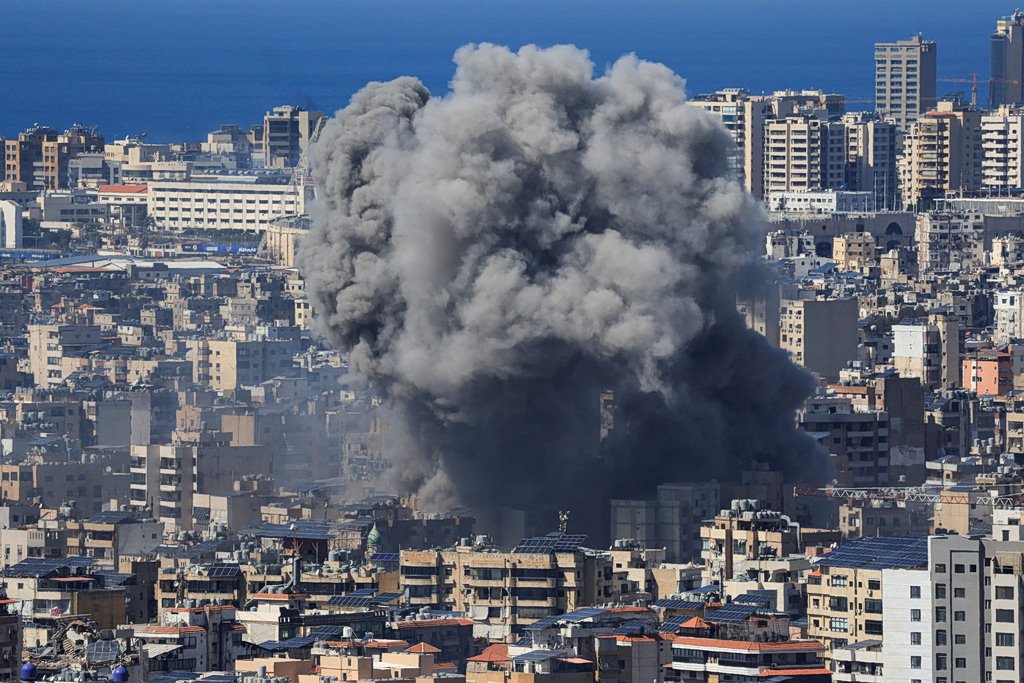
Smoke billows after an Israeli strike on Beirut’s southern suburbs, following an escalation between Hezbollah and Israel amid the U.S.-Israeli conflict with Iran, Lebanon, March 9, 2026. REUTERS/Mohamed Azakir
Israel Responds
The Israeli military told Reuters it was unaware and could not confirm the use of white phosphorus shells in Lebanon. Officials said they had not reviewed the same materials as HRW and therefore could not comment on the claims. Lebanese authorities have not issued a response.
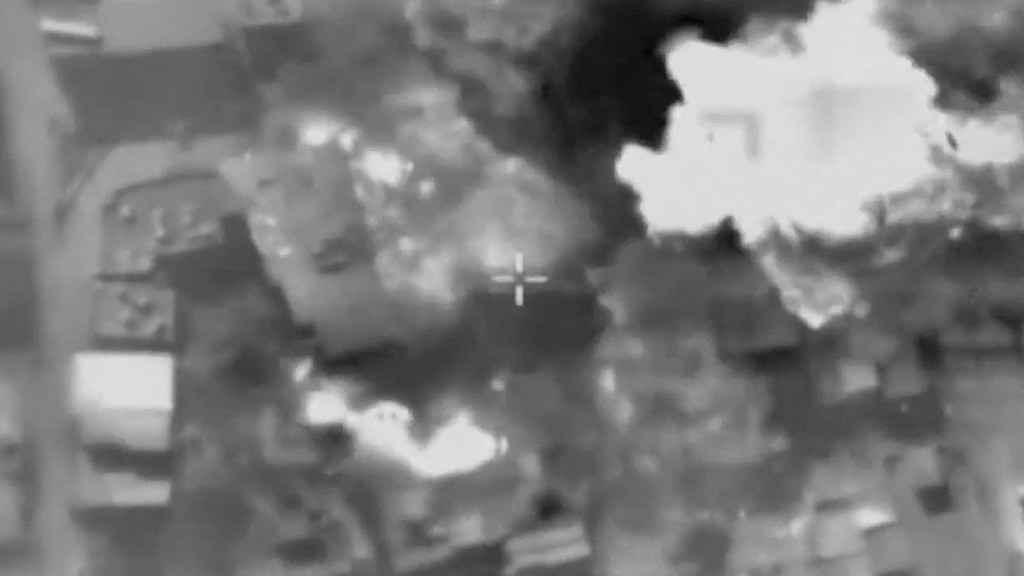
Flames rise following an explosion, which the Israeli military says was a strike on a Hezbollah financial institution, following renewed hostilities between Hezbollah and Israel amid the U.S.-Israeli conflict with Iran, in a location given as Beirut, Lebanon, in this screengrab taken from a handout video released on March 10, 2026. ISRAELI MILITARY/Handout via REUTERS THIS IMAGE HAS BEEN SUPPLIED BY A THIRD PARTY. OVERLAY FROM SOURCE VERIFICATION: Reuters verified the location in part of the video (00:00-00:06, 00:12-00:17) as Beirut, Lebanon by buildings and road layout, which matched satellite imagery. The location of other two strikes (00:06-00:12, 00:18-end) could not be confirmed. Coordinates of the first strike site: 33.85603494779927, 35.5204514797422. Coordinates of the third strike site: 33.84025597421898, 35.50651857293912. The date for part of the video (00:00-00:06) was confirmed as March 9 from verified corroborating footage. The exact date of the other strikes could not be verified. No old versions of the video were found posted online before March 10
Residents of Yohmor and 50 surrounding villages were ordered to evacuate early on March 3 as Israeli strikes intensified.
Ongoing Impact and Legal Context
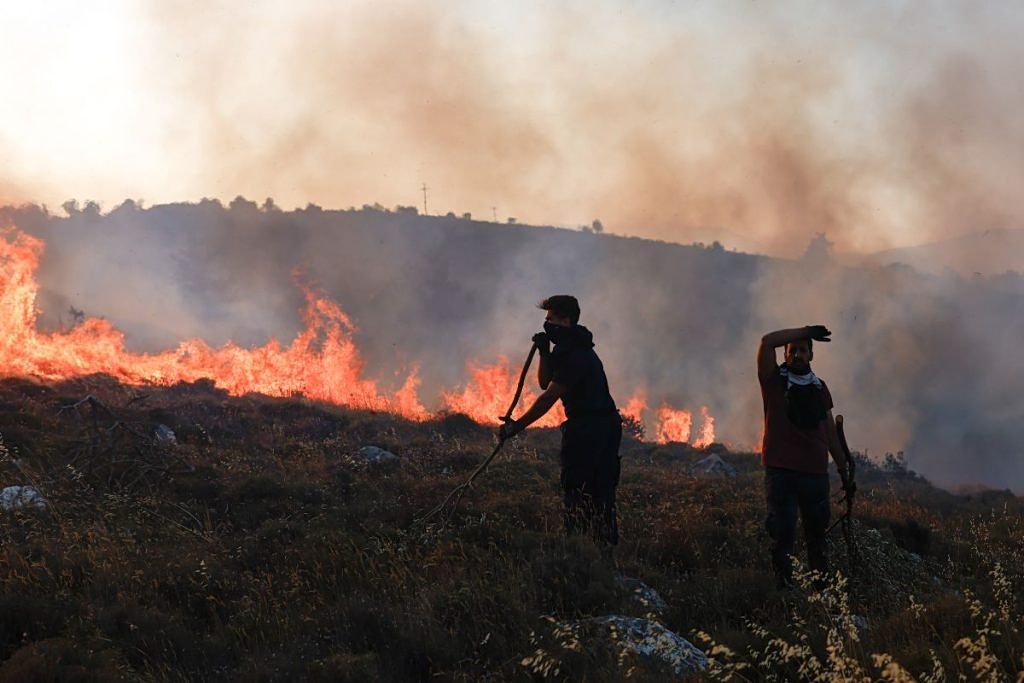
Since October 2023, the Lebanese National Council for Scientific Research reported 175 Israeli attacks in southern Lebanon involving white phosphorus, which have damaged over 600 hectares (1,480 acres) of farmland.
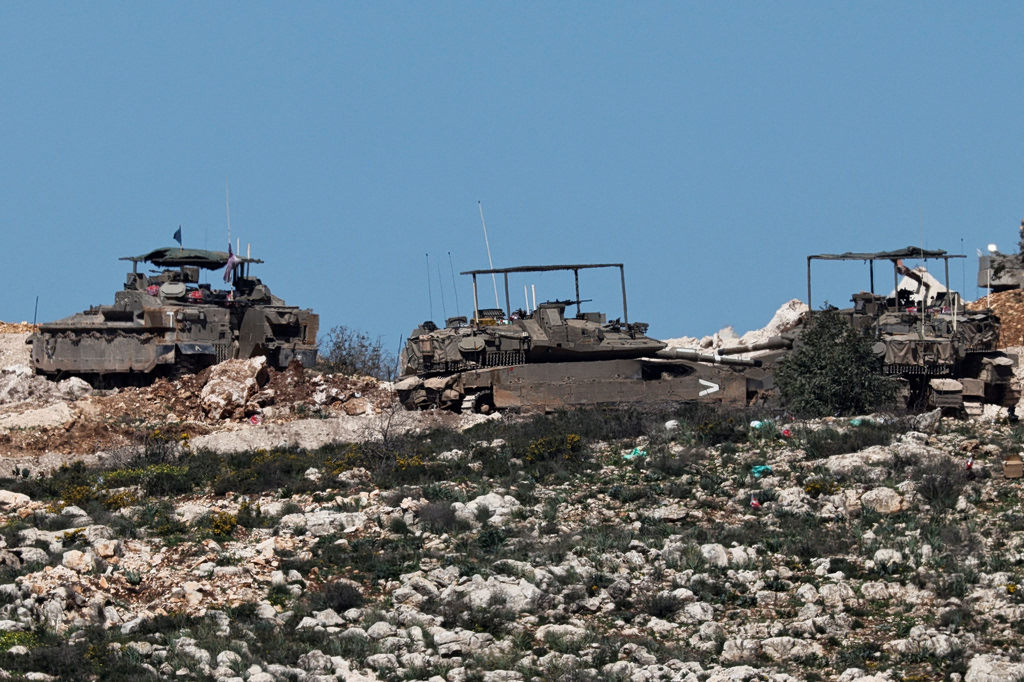
Israeli tanks and a personnel carrier (APC) in Lebanon, as seen from the Israel-Lebanon border, amid escalation between Hezbollah and Israel, and amid the U.S.-Israeli conflict with Iran, in northern Israel, March 10, 2026. REUTERS/Amir Cohen
While white phosphorus can be legally used on battlefields for smoke screens, illumination, marking targets, or burning fortifications, HRW says its use over populated areas violates international humanitarian law. It is classified as an incendiary weapon under Protocol III of the Convention on the Prohibition of Certain Conventional Weapons, which bars targeting civilians with such weapons. Israel has not signed this protocol.
Nearly 400 people have been killed, and hundreds of thousands displaced, as Israeli strikes continue to pound southern Lebanon. HRW had previously accused Israel of similar violations during 2023 operations, which Israel denied at the time.